



JAKARTA - Head of Bank Permata economist Josua Pardede explained that the Israel-Iran conflict has great potential to increase global market volatility, especially through a surge in world oil prices.
"Based on historical analysis submitted in the document, the conflict in the Middle East involving large producing countries or those adjacent to the oil distribution route poses a risk of encouraging an increase in crude oil prices," he told VOI, Monday, June 16.
Josua said the sharp increase in oil prices would have a direct impact on global financial market stability through increasing inflation, increasing production costs, and reducing the company's profit margin in various sectors, particularly energy and transportation.
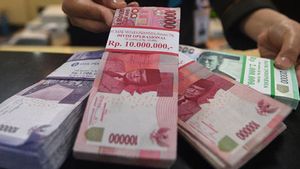
According to him, the direct impact of this conflict in the Middle East on Indonesia's financial markets will be seen under pressure from the Rupiah exchange rate on the US dollar.
He explained that as an oil net-importer country, Indonesia will face an increase in import burdens which can significantly increase the current account deficit, thus creating pressure on depreciation in the Rupiah.
"This condition will affect domestic market sentiment, increase the risk of capital outflows, and slow economic growth due to the continued impact of rising inflation," he explained.
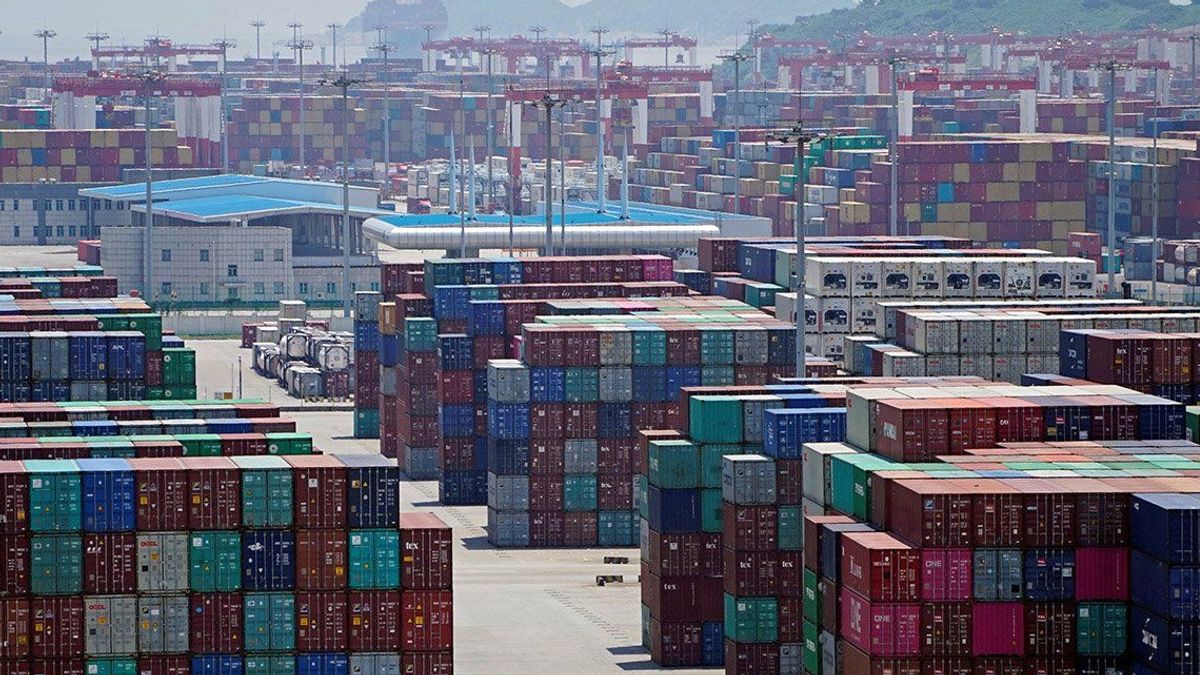
According to him, in terms of export-imports, escalation of the Israeli-Iran conflict can disrupt shipping routes in the Middle East region, especially the Strait of Hormuz, a strategic route that is traversed by about 20 percent of the world's oil trade.
He added that disturbances in this route not only had an impact on increasing Indonesia's energy import costs but also slowed down the global supply chain.
"As a further implication, Indonesia's exports, especially manufacturing commodities that rely heavily on the global market, will face obstacles due to the slowdown in the world economy and increasing international logistics costs," he said.
SEE ALSO:


Josua said that for this impact mitigation, in the future Indonesia must proactively secure long-term energy contracts with alternative sources outside the conflict area.
In addition, he added that export diversification to non-traditional markets and strengthening the domestic market must continue to be encouraged so that the Indonesian economy has better resistance to this kind of external shock.
"The right monetary and fiscal policy from the government and Bank Indonesia, especially through exchange rate stabilization instruments and inflation-resistant policies, will also be the key to maintaining economic stability in the medium to long term," he concluded.
The English, Chinese, Japanese, Arabic, and French versions are automatically generated by the AI. So there may still be inaccuracies in translating, please always see Indonesian as our main language. (system supported by DigitalSiber.id)


