



DENPASAR - Geopolitical turmoil in the Middle East, especially the escalation of the conflict between Iran and Israel, has begun to have an impact on Indonesia's tourism sector, especially in Bali.
For the Island of the Gods, the Middle East region is not only a market for foreign tourists, but also an important international flight route connecting tourists from Europe to Southeast Asia. When the situation in the region heats up, Bali's tourism sector also feels the impact.
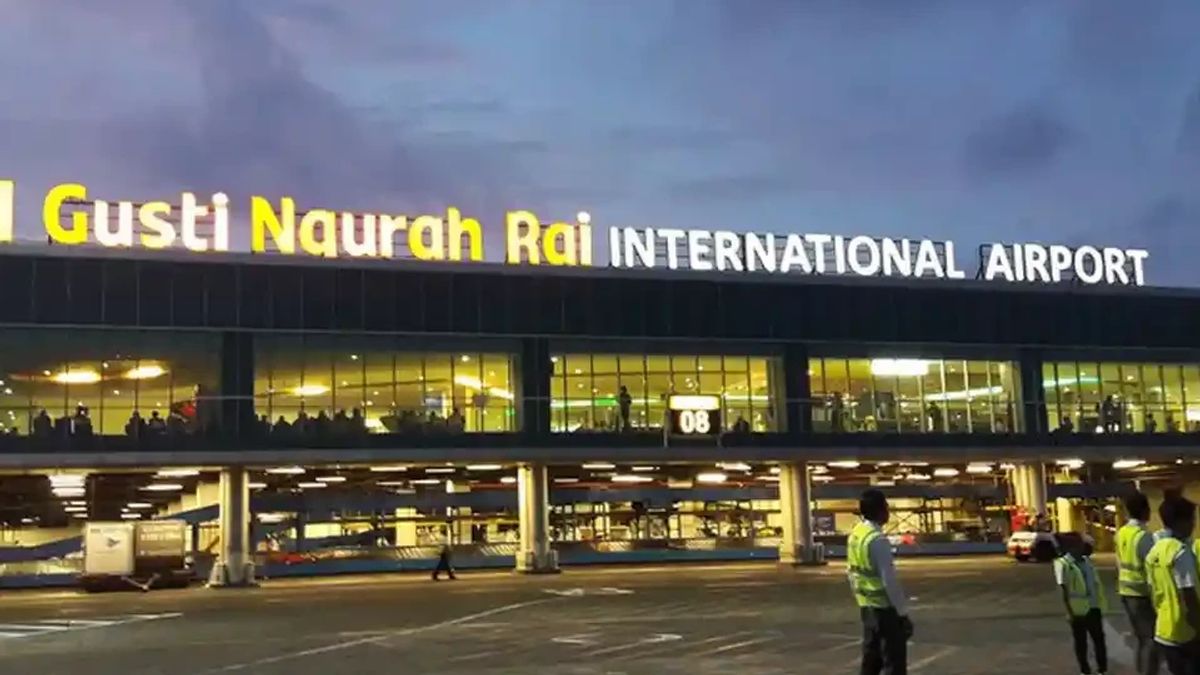
At least 15 international flights were reported to have been delayed or canceled. This condition is a blow to Bali's tourism industry, considering that airlines from the United Arab Emirates and Qatar have routinely served direct flights to I Gusti Ngurah Rai International Airport.
Deputy Chairman of the Indonesian Hotel and Restaurant Association (PHRI) Bali, I Gusti Agung Rai Suryawijaya said that foreign tourists (tourists) from the Middle East are one of the important markets for Bali tourism.
"Tourists from the United Arab Emirates and Qatar who usually fly directly or direct to Ngurah Rai International Airport are quite a lot. Of course, this will have an impact on Bali tourism. And this will have an impact on the economy as well," said Rai in his statement, Monday, March 9.
In addition, a number of airports in the Middle East have been the main transit point for European tourists heading to Bali. The closure of airspace in the conflict area has disrupted the flow of tourist travel.
"My hope is that those in Europe can reroute their flights through Taipei or China, RRC. Although, of course, it will take longer, because it has to transit twice," said Rai.
Interestingly, despite the cancellation of flights, the occupancy rate of hotels in Bali did not immediately drop drastically. PHRI noted a different phenomenon in the field.
This is because some tourists who are already in Bali cannot return to their home country due to flight disruptions.
"On one hand, the arrival of new tourists has decreased, on the other hand, there are also many tourists who are stranded and staying in Bali. So, the number of arrivals and departures is almost the same," he said.
Even though the number of visits did not decrease drastically, the impact on the tourism industry was still felt. Geopolitical uncertainty is considered to affect the psychology of tourists, so that they tend to hold back spending during their vacation.
"They are from the Middle East and Europe, their stay is quite long. So, their psychological concerns also have an impact. When they feel unsafe, they cancel their trip to Bali. So not a few who cancel their booking," he said.
As a mitigation step, Bali tourism industry players have started to diversify the tourist market.
PHRI Bali is now increasing its promotion to attract tourists from Australia, as well as targeting two large markets in Asia whose visitor growth has increased, namely China and India.
By strengthening the promotion in these three countries, it is hoped that it can close the potential decline in the number of tourists from the European and Middle Eastern markets.
However, if the armed conflict lasts for a long time, Rai considers it necessary to take strategic steps to ensure that tourists still feel safe visiting Bali.
"Tourism is the main foundation is a sense of security. Let alone paying, even if you are given a free ticket, people will not want to travel if the situation is not safe," he said.
The English, Chinese, Japanese, Arabic, and French versions are automatically generated by the AI. So there may still be inaccuracies in translating, please always see Indonesian as our main language. (system supported by DigitalSiber.id)
Most Popular Tags
#Prabowo Subianto #donald trump #2026 World Cup #Febrie Adriansyah #8791Popular


