

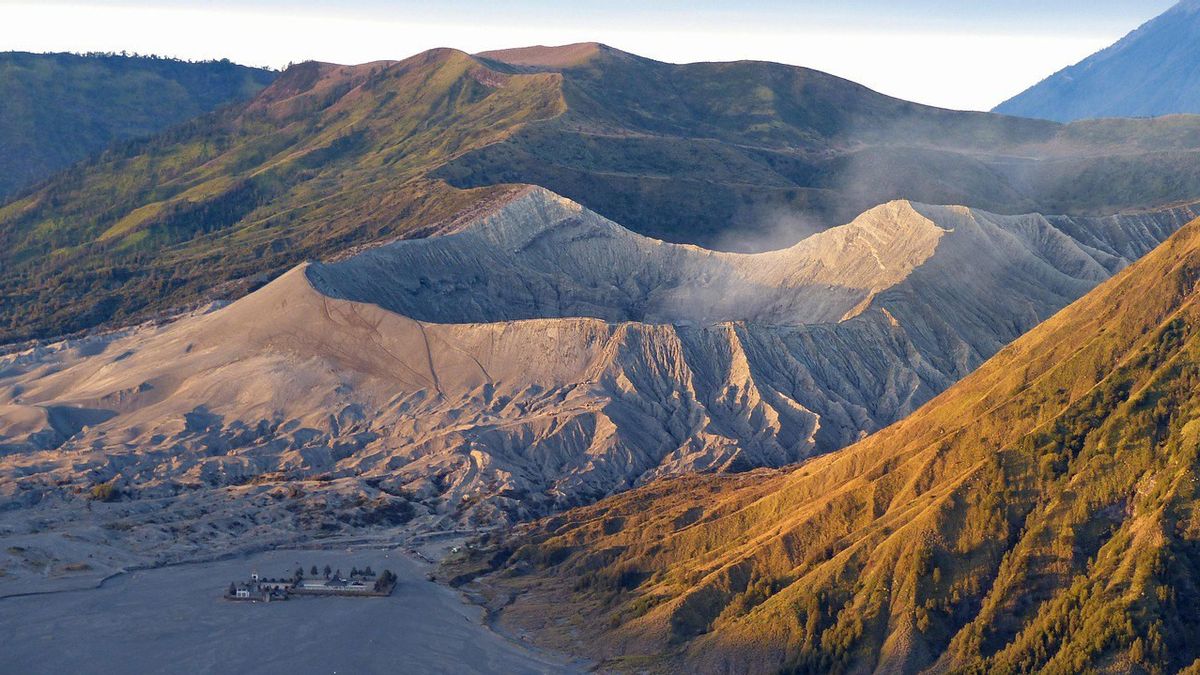


The location of Indonesian geology is one of the main factors that shape the nature and environment of this country. Indonesia's position is among three large tectonic plates that affect various natural phenomena. This condition also makes Indonesia have different natural conditions from other countries.
The following will discuss 5 main impacts on Indonesia's geological position on the environment and lives of its people. However, before that, an overview will be given regarding the location of Indonesian geology.
The location of Indonesian geology is at the meeting of the Eurasian Plate, the Indo-Australian Plate, and the Pacific Plate. The meeting of these three plates caused high tectonic activity in various parts of Indonesia. As a result, Indonesia is one of the countries with the most active geological phenomena in the world.
In addition, Indonesia is included in the Pacific Ring of Fire which is filled with active volcanoes. This circle stretches from South America, North America, East Asia, to Southeast Asia. As part of the route, Indonesia has very many active volcanoes.
This geological location also affects the soil structure, mountainous conditions, and the pattern of earthquakes in Indonesia. The existence of valleys, highlands, and volcanic areas is evidence of geological dynamics that lasts millions of years. All of these factors play a role in shaping Indonesia's very diverse landscape.
The location of Indonesian geology has had various important impacts on nature and people's lives. Reporting from various sources, here are the 5 main impacts of Indonesia's geological location.
Indonesia is one of the megabiodiversity countries in the world. The movement of plates and diverse natural conditions creates different habitats in each region. This makes Indonesian flora and fauna develop uniquely and diverse.
Indonesia has thousands of endemic species that are not found in other countries. This diversity includes plants, mammals, reptiles, birds, and marine biota. The presence of various ecosystems such as tropical rainforests, mountains, savana, and coral reefs adds to Indonesia's biological wealth.
It is located in Indonesia on the Pacific Ring of Fire that causes this country to have more than 120 active volcanoes. This volcanic activity occurs due to the movement of the plates that stratum each other. The volcano is spread across Sumatra, Java, Bali, Nusa Tenggara, to Sulawesi.
The existence of active volcanoes provides benefits for human life. Volcano eruptions produce volcanic material that enriches the surrounding soil. Therefore, many regions in Indonesia near the volcano are productive residential and agricultural areas.
Although useful, volcanic activity also carries disaster risks such as eruptions, hot clouds, and lahars. The government and the public must understand the pattern of mountain activity to reduce the bad effects.
Volcanic activity from volcanoes in Indonesia produces mineral-rich soil. This volcanic soil is very fertile and suitable for various types of plants. Therefore, most of the productive agricultural land in Indonesia is in the vicinity of the volcano.
Fertility supports Indonesia to become an agricultural country with high agricultural production. Commodities such as rice, vegetables, fruit, coffee, and tea grow well in the area. This makes the agricultural sector the backbone of the economy for many regions.
The meeting of three tectonic plates causes Indonesia to experience frequent earthquakes. Earthquakes can occur due to shifts, collisions, or plate subduction. This activity makes Indonesia one of the countries with the highest seismicity level in the world.
Realizing this, the Indonesian government is further strengthening the disaster mitigation system by developing technology and educating the public about safety procedures. This is very important to reduce the impact of the earthquake.
The territory of Indonesia contains various mining and mineral resources such as gold, copper, nickel, coal, to oil and natural gas. This mineral content is formed from tectonic and volcanic activity that lasts thousands of years.
Mining and mineral resources are an important part of the national economy. Many regions in Indonesia depend on income from the mining sector. These mining products are used for domestic and exported industries abroad.
However, the use of mining resources must be carried out in a sustainable manner. If not managed properly, mining can cause environmental damage.
SEE ALSO:
-
 | BERITA
Libur Nataru Berisiko Tinggi, Pemerintah Ingatkan Warga Waspadai Cuaca Ekstrem
09 Desember 2025, 09:06 -
 | TEKNOLOGI
Taiwan Blokir Aplikasi RedNote Selama Satu Tahun karena Risiko Penipuan
09 Desember 2025, 09:05 -
 | EKONOMI
Kementerian PU: 2.058 Km Jalan Nasional Rusak imbas Banjir Bandang Sumatera
09 Desember 2025, 06:04
That is the discussion of the impact of Indonesia's geological location on nature and the lives of its people. With the right understanding and management, this great potential can be utilized optimally, while maintaining environmental safety and sustainability.
In addition to discussing the impact of Indonesia's geological location, follow other interesting articles on VOI.ID. So that we don't miss the updated news, follow and monitor our social media accounts!
The English, Chinese, Japanese, Arabic, and French versions are automatically generated by the AI. So there may still be inaccuracies in translating, please always see Indonesian as our main language. (system supported by DigitalSiber.id)
Most Popular Tags
#Prabowo Subianto #donald trump #2026 World Cup #venezuela #konflik timur tengahPopular


