


JAKARTA - Leading economists, health experts, and the United Nations have expressed a high imbalance in making the world vulnerable to the pandemic and creating "devil's circle" that endangers public health and the global economy.
The findings are based on a two-year study by the Global Council on Inequality, AIDS, and Pandemic set up by UNAIDS and published in a report released ahead of a meeting of G20 leaders in South Africa this month.
The high level of inequality, inside and between countries, makes the world more vulnerable to the pandemic, makes the pandemic more disruptive to the economy and deadly, and makes it last longer, according to a report published Monday local time, quoted from AFP.
"The pandemic in turn increases inequality, encourages relationships that cycle and strengthen each other," the report continued.
The board that compiled the report was led by experts, including Nobel laureate economist Joseph Stiglitz, former First Lady Namibia Monica Geingos, and well-known epidemiologist Sir Michael Marmot.
These "inequality-pandemic cycles" can be seen in recent global public health crises such as COVID-19, AIDS, Ebola, influenza, andmpox," they said in a separate statement.
"Failure to overcome the main inequality and social determinants since COVID-19 has made the world very vulnerable to, and not ready to face, the next pandemic," he said.
The COVID-19 pandemic in particular "propelled 165 million people into poverty while the world's richest people increased their wealth by more than a quarter," they said.
"Inequality is a political choice, and a dangerous choice that threatens everyone's health," added Geingos.
The report calls on world leaders to increase pandemic preparedness by investing in "social protection mechanisms" in their countries while also overcoming global inequality, including through debt restructuring for developing countries.
"The pandemic is not just a health crisis; it is an economic crisis that can deepen inequality if leaders make wrong policy choices," Stiglitz said.
"When efforts to stabilize the economy affected by the pandemic are paid through high debt interest and saving measures, the health system, education, and social protection are drained," he said.
SEE ALSO:
-
 | BERITA
Kasus Korupsi Anoda Logam, KPK Panggil 4 Saksi Termasuk CEO Office Senior Specialist Antam
03 November 2025, 14:34 -
 | BERITA
Adu Banteng Truk-Bus Berpenumpang 70 Orang di India, 20 Orang Tewas
03 November 2025, 17:04 -
 | BERITA
Iran Anggap Sepele Trump, Siap Bangun Lagi 3 Situs Nuklir yang Dibombardir AS
03 November 2025, 00:09 -
 | BERITA
Rusia Dukung Venezuela Lawan Militerisme Trump di Karibia, Tuduh AS Langgar Piagam PBB
03 November 2025, 01:54

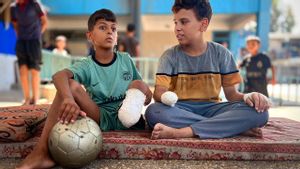
This makes people less resilient and more vulnerable to disease outbreaks.
Breaking this cycle requires providing fiscal space for all countries to invest in health insurance, said Stiglitz.
The report also urged more equal access to healthcare and health technology between rich and poor countries, calling for increased funding for local and regional production, as well as the immediate removal of intellectual property rights after the pandemic was declared.
Stiglitz is scheduled to submit reports on global inequality and poverty to world leaders ahead of the G20 Summit on November 22 and 23.
The G20 consists of 19 leading economies as well as the European Union and the African Union.
The English, Chinese, Japanese, Arabic, and French versions are automatically generated by the AI. So there may still be inaccuracies in translating, please always see Indonesian as our main language. (system supported by DigitalSiber.id)
Most Popular Tags
#Prabowo Subianto #donald trump #Febrie Adriansyah #8791 #giias 2026Popular


