



JAKARTA - Cyber security observers assess that the issue of the repatriation of Indonesian citizens from Cambodia who are involved in the online gambling industry and digital fraud cannot be simplified as victims of human trafficking alone.
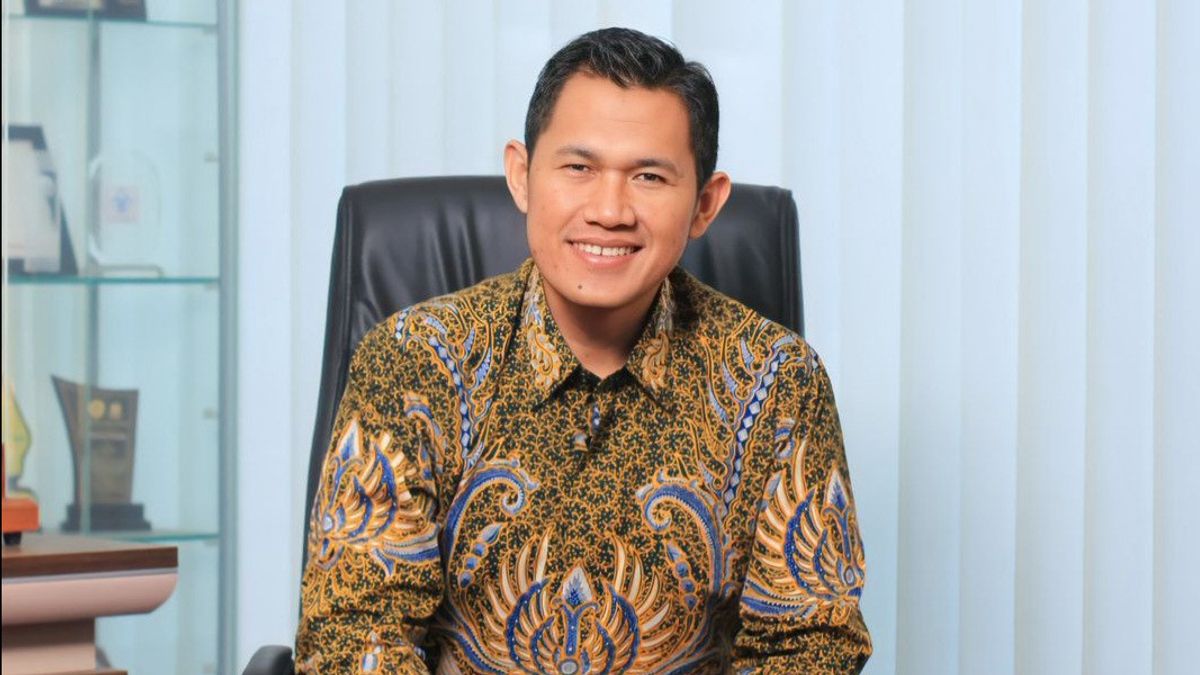
Because according to Pratama Persadha who is also the Chairman of the CISSReC Cyber Security Research Institute, the reality on the ground shows that there are three types of Indonesian citizens who are part of the Cambodian scammer industry.
First, there are pure victims who are recruited by deception and forced to work, there are also individuals who were initially deceived and then adapted and participated in cheating due to pressure or incentives, but there are also perpetrators who are aware and voluntarily involved in transnational crimes from the beginning.
But unfortunately, Pratama sees that in Indonesia tends to generalize all Indonesian citizens who are repatriated as victims. In the context of cybercrime, he assessed that this has the potential to cover up the fact that some of them are active actors in cross-border economic crimes that are structured, systematic, and repeated.
To distinguish between pure victims and conscious perpetrators, the state cannot rely solely on confessions, but rather needs a combination of digital forensic approaches, behavioral analysis, financial tracing, and intelligence-based law enforcement.
"Through digital forensic profiling, the police can trace the trail of communication, the fraud scripts used, access to the victim's management panel, ownership of crypto wallets or electronic wallets, internal training recordings, to the command structure," Pratama explained in a statement received, quoted Sunday, February 1.
However, this approach must be supplemented with behavioral analysis and cognitive interviews by cyber investigators and forensic psychologists. Every Indonesian citizen who is repatriated from scam centers needs to be strictly classified through digital forensic examination and intelligence-based interviews.
Thus, for those who are proven to be involved knowingly, the approach of social rehabilitation alone is inadequate and must be replaced with a firm criminal process.
"From a national security perspective, these individuals also have intelligence value. They can be a source of information to map the structure of the syndicate, recruitment channels within the country, financial flows, and relationships between regional hubs in Southeast Asia," he added.
Without a change in approach, Pratama believes, Indonesia risks becoming a supplier of digital criminal labor for regional scam industries.
"From the point of view of intelligence and national security, this is a serious threat, because the country is no longer just a victim, but part of the global cybercrime ecosystem," he said.
The English, Chinese, Japanese, Arabic, and French versions are automatically generated by the AI. So there may still be inaccuracies in translating, please always see Indonesian as our main language. (system supported by DigitalSiber.id)
Most Popular Tags
#Prabowo Subianto #donald trump #Febrie Adriansyah #8791 #giias 2026Popular


