
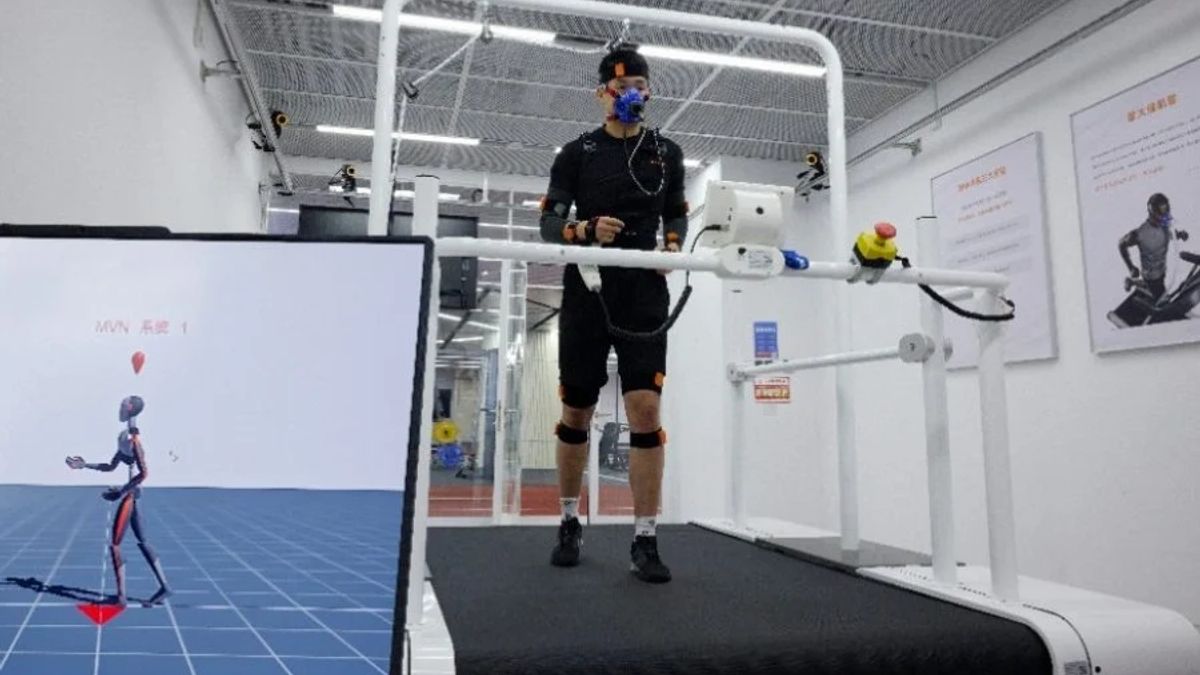


JAKARTA - Xiaomi announced that it has completed the construction of the Sports and Health Lab, a large-scale research facility designed to improve the accuracy and reliability of wearable devices such as its smartbands and smartwatches.
The laboratory has an area of more than 5,000 square meters and is designed to test the performance of fitness and health algorithms in conditions that resemble real-world use. Xiaomi calls this facility one of the most important research centers in the development of their wearable technology.
In the laboratory there are 23 sports testing zones equipped with 41 types of professional sports testing equipment as well as 29 gold standard testing devices that are generally used in medical and scientific research.
Through simulations of various sports and health scenarios, Xiaomi collects large amounts of data to verify and refine the algorithm model used on its wearable devices.
Xiaomi explained that this laboratory will be a center for algorithm optimization, early-stage technology research, as well as collaboration with universities and medical institutions. It is expected that the data collected systematically will be able to narrow the gap between consumer wearable devices and professional health equipment.
Measurable Accuracy Improvement
Xiaomi claims to have recorded measurable results from the use of this laboratory. After repeated testing and optimization, the accuracy of calorie consumption calculations on Xiaomi wearable devices increased by 17 percent. Meanwhile, the accuracy of VO₂ max estimation - an important indicator of cardiovascular fitness and health - increased by 15 percent.
On the health tracking feature, Xiaomi also reported an increase in the accuracy of detecting the time of falling asleep and waking up by 11 percent. In addition, the recognition of deep sleep and light sleep phases each experienced an accuracy increase of 14 percent.
However, Xiaomi insists that its wearable devices are not intended to replace professional medical devices, although the various indicators produced are getting closer to health device standards.
Collaboration and Certification
This laboratory is also used as a research collaboration space. Xiaomi collaborates with a number of reputable institutions, such as Peking University Third Hospital, Beijing Sport University, and Tongren Hospital of Capital Medical University. Research focuses include menstrual cycle prediction, heart health monitoring, sleep apnea risk screening, to travel hangover intervention.
In terms of certification, this facility has obtained testing qualifications from international institutions such as TÜV SÜD and SGS-CSTC. Xiaomi stated that it plans to gradually open its basic research results to the wearable industry more broadly.
The English, Chinese, Japanese, Arabic, and French versions are automatically generated by the AI. So there may still be inaccuracies in translating, please always see Indonesian as our main language. (system supported by DigitalSiber.id)


