
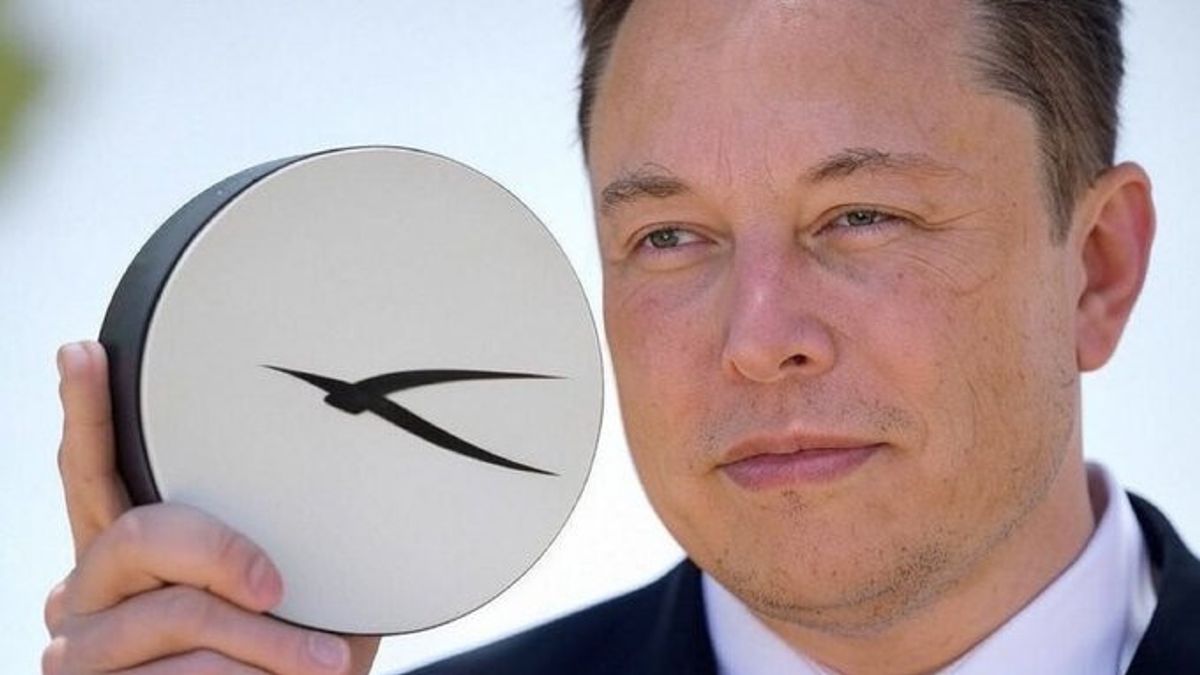


JAKARTA Vietnam plans to adopt a rule that allows Elon Musk's Starlink to provide satellite internet services in the country. This retains full ownership of its subsidiaries, according to a draft regulation obtained by Reuters.
This change paved the way for Starlink to operate in Vietnam after going through lengthy talks with its parent company, SpaceX, a government official said.
The move reflects a sudden change in attitude that can be seen as a "sign of peace" for SpaceX amid Vietnam's concerns over the threat of tariffs from US President Donald Trump.
"This is a demonstration from the Vietnamese side that they can also play a transactional diplomacy game if the Trump administration wants it," a source said.
SpaceX's attempt to enter Vietnam's market with nearly 100 million residents was previously hampered by the end of 2023 after the government refused to lift the ban on foreign ownership of satellite internet service providers, which is the main requirement for Musk, who is now Trump's main adviser.
However, the new draft rules that will be passed in the parliament's extraordinary session this Wednesday will allow internet providers with low-orbit satellite networks to be fully controlled by foreign parties. This policy will apply in a pilot scheme until the end of 2030.
This provision is included in a 12-page resolution aimed at "eliminating obstacles in scientific activity, technology, and innovation". The project proposed in this scheme must obtain approval from the Prime Minister of Vietnam.
SpaceX and Vietnam's Ministry of Information have yet to comment on this matter.
SpaceX continues to expand its supply network in Vietnam, and the Vietnamese government says that the company wants to invest USD 1.5 billion (IDR 24.4 trillion) in the country.
SEE ALSO:
-
 | TEKNOLOGI
Moto Gestures, Fitur Sederhana di Motorola untuk Akses Alat dengan Gerakan
18 Februari 2025, 20:10 -
 | TEKNOLOGI
Motorola Resmi Rilis moto g45 5G di Indonesia, Harganya Rp2 Jutaan
18 Februari 2025, 19:30 -
 | TEKNOLOGI
Indonesia Terus Hadapi Ancaman Siber, Kaspersky Bagikan Strategi Perlindungan
18 Februari 2025, 18:31 -
 | TEKNOLOGI
IAIS Soroti Tren Perkembangan dan Tantangan Implementasi AI di Sektor Kesehatan Indonesia
18 Februari 2025, 17:35

If many Vietnamese companies and individuals subscribe to Starlink services, it could help reduce the large trade surplus the country has on the United States, according to sources familiar with the talks.
Last year, Vietnam's trade surplus with the US hit a record high of USD 123.5 billion, the fourth largest among US trading partners, according to US government data.
Last week, Trump instructed his team to set a return rate against every country that taxes US imports, with a deadline of April 1. Trump's aides said that countries with large trade surpluses would be the main targets in the policy.
The US rate has the potential to disrupt Vietnam's export-dependent economy, where the US is the main market. Vietnam has also hosted many Chinese manufacturers who have invested heavily in the Southeast Asian nation after the Trump administration first imposed tariffs on China in 2018.
To reduce its surplus with the US, Vietnam has also offered to import more agricultural products from the US and is currently discussing other potential imports.
The English, Chinese, Japanese, Arabic, and French versions are automatically generated by the AI. So there may still be inaccuracies in translating, please always see Indonesian as our main language. (system supported by DigitalSiber.id)
Popular


