


Greece - The Greek government is preparing to take drastic steps: banning the use of social media for children under the age of 15. This policy comes amid growing concerns about digital addiction, cyberbullying, and the psychological impact on young people - and for many parents, it is like a "life-saving" help. long awaited.
In Athens, a mother, Georgia Efstathiou (43), admitted that she had tried various ways to keep her 14-year-old son away from the mobile screen. From heart-to-heart conversations, internet time restrictions, to confiscating the phone - all of which led to conflicts at home.
"Just block it, close everything. We've reached our limit... we parents need help," he said, reflecting the frustration of many families in the country.
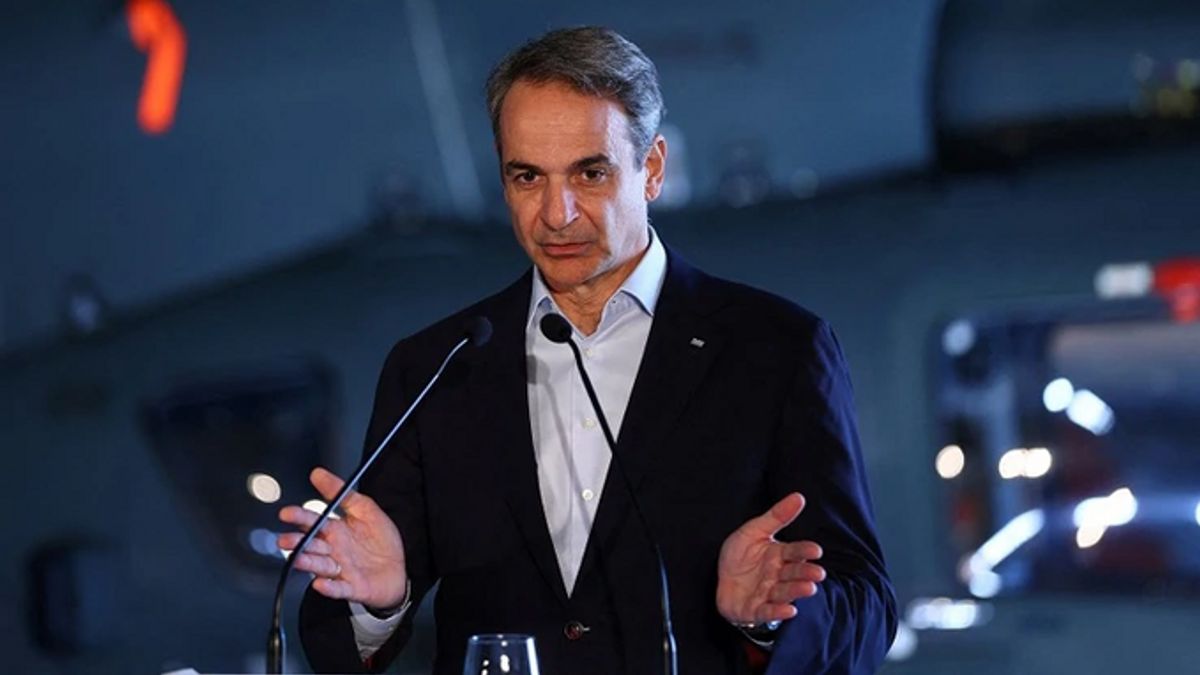
The plan for the ban is said to be announced soon by the government of Prime Minister Kyriakos Mitsotakis. Although the details of implementation have not been revealed, this step will put Greece in line with countries that have begun to restrict access to social media for children, following the footsteps of similar policies in other countries such as Australia.
Public support for this policy is relatively high. A survey conducted by the ALCO institution in February showed that about 80 percent of respondents agreed to the ban. Previously, the government had also banned the use of mobile phones in schools and provided a parental control platform to limit teenagers' screen time.
The concerns are not unfounded. Data from the Greek Internet security center shows a significant spike in reports of cyberbullying cases - more than doubling between 2024 and 2025. In addition, cases of extortion against children, the spread of disinformation, and hate speech have also increased.
According to George Kormas, who manages the child protection hotline, around 75 percent of social media users in Greece are actually from elementary school age. "This obviously worries us, because they are not yet able to manage social media or protect themselves," he said.
Meanwhile, Athanasios Theocharis of the national institute for the prevention of addiction said that around 48 percent of teenagers have felt the negative impact of social media. He assessed that this ban "has the potential to provide a significant level of protection."
However, not everyone agrees. A number of parents are concerned that children will still find ways to circumvent the rules. There are also those who assess that the best approach should come from the family, not government intervention.
Dimitris (44), father of a 14-year-old teenager, said, "I prefer a different approach, namely limiting the use of mobile phones within the family." However, he also admitted that if the effort failed, the ban could be an "extreme way" that might be necessary.
On the other hand, the younger generation themselves see it differently. Catherine (14), Dimitris' daughter, admitted that social media has become an inseparable part of their lives. "That's how we learn since we were born," he said. Even so, he also honestly admitted, "I can control it - but on the other hand, I often become a fanatic."
Greece's plan reflects a global shift in how social media is viewed - from a mere communication tool to a public health issue.
Follow VOI Whatsapp Channel
The English, Chinese, Japanese, Arabic, and French versions are automatically generated by the AI. So there may still be inaccuracies in translating, please always see Indonesian as our main language. (system supported by DigitalSiber.id)
Popular


