
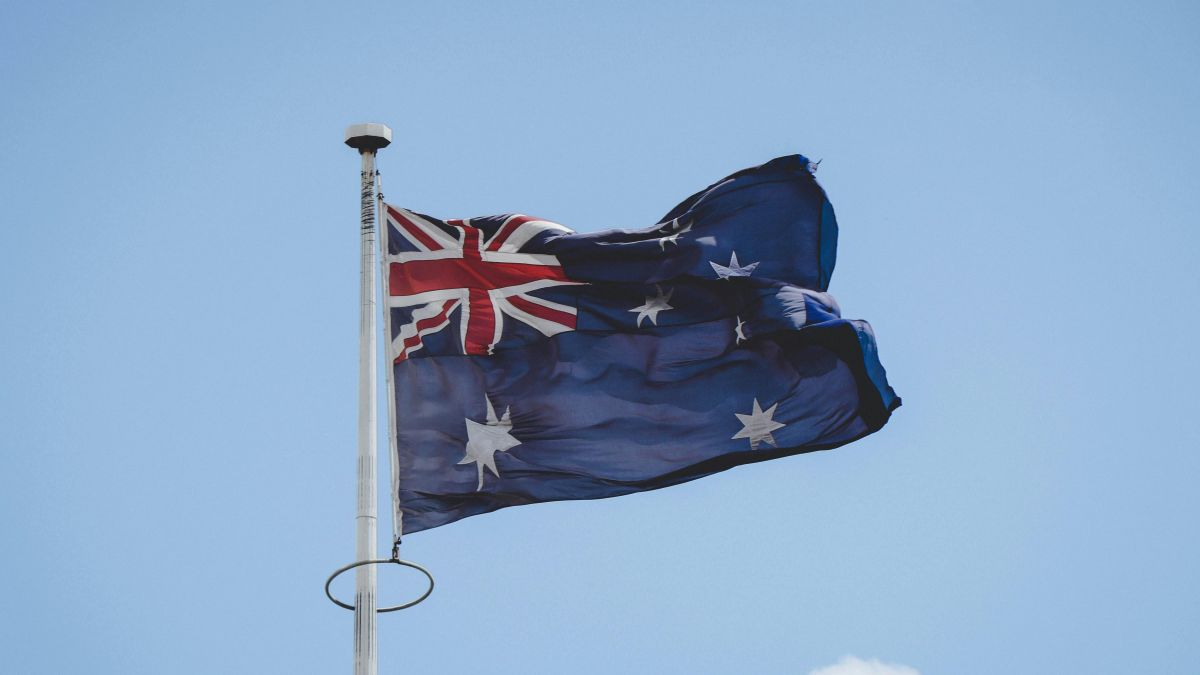


JAKARTA Australia is preparing to impose a ban on the use of social media for citizens under the age of 16 starting December 10. This makes it the first country in the world to adopt a national minimum age limit. This policy forces large platforms such as Instagram, TikTok, and YouTube to block more than one million accounts, with the threat of fines of up to USD 49.5 million for non-compliants.
The move closes a year full of speculation over whether a country is capable of limiting access to technology that has been embedded in modern life. Now, the world has direct experiments that governments from Europe to Asia will observe, which assess the tech industry is too slow to address child risks.
The Australian government has expressed frustration with the lack of hazard mitigation efforts by tech companies, especially after the leak of Meta's internal documents in 2021. The document shows its products are contributing to the problem of body image and suicide thoughts among teens. This is a finding previously rejected by the company.
Professor Tama Leaver, an internet study expert from Karjan University, called this policy a strong signal that the global government is starting to be ready to challenge the dominance of Big Tech. According to him, Australia's 'ban on social media' is a canary in the coal mine' early signature of a larger wave of international regulations.
SEE ALSO:
-
 | TEKNOLOGI
Google Rilis Film Year in Search 2025, Indonesia Masuk Daftar Trending Global
09 Desember 2025, 20:35 -
 | TEKNOLOGI
King of Tokyo, Gim Adaptasi dari Board Game Ternama akan Dirilis untuk PC dan Konsol
09 Desember 2025, 20:01 -
 | TEKNOLOGI
Ingram Micro Soroti Risiko Kegagalan Adopsi AI, Dorong Adopsi Private Cloud AI
09 Desember 2025, 19:05 -
 | TEKNOLOGI
Katsuhiro Harada Pamit dari Bandai Namco Setelah 30 Tahun Bersama TEKKEN
09 Desember 2025, 18:34

Other governments are ready to follow suit. Denmark and Malaysia stated that they were reviewing similar steps. Even in Indonesia, the Tunas PP has issued a similar restriction.
In the United States, a number of states that previously relaxed digital security features are now considering tightening them again. Britain, which since July requires pornographic sites to block users under 18 years of age, also claims to be monitoring developments in Australia.
Starting midnight, 10 popular platforms will be required to block underage users. Almost all platforms, except Elon Musk's X, agree to comply with these rules by implementing age-inference technology "age estimates based on online activity patterns" or age estimates using selfies. Verification of identity documents and bank account data is an additional option.
Musk strongly opposed this policy, calling it a covert way of controlling internet access for all Australians'. The lawsuit at the Australian High Court is ongoing, led by a member of the libertarian parliament.
Behind the controversy, the social media business faces a new reality: user growth slows down and usage time decreases. They admit that ad revenue from users under 16 is not significant, but new user streams are disrupted. Prior to the rules, 86 percent of Australian children aged 8 to 15 used social media.
Terry Flew, one of the directors of the University of Sydney's AI, Trust and Governance Center, assessed that the era of social media as a means of expression without limits had entered the closing round. So far, the platform has responded to criticism by increasing the minimum age limit to 13 years and adding to the privacy features of teenagers, but according to Flew, "if the structure has existed since the golden age of social media, today's debate may not have happened".
The Australian government has assigned eSafety Commissioners to oversee the implementation of this rule and has collaborated with Stanford University and 11 academics to study its impact in the next two years. The world will look forward to the results as a reference to reorganizing relations between children, technology and digital space integrity.
The English, Chinese, Japanese, Arabic, and French versions are automatically generated by the AI. So there may still be inaccuracies in translating, please always see Indonesian as our main language. (system supported by DigitalSiber.id)
Most Popular Tags
#Prabowo Subianto #donald trump #2026 World Cup #venezuela #konflik timur tengahPopular


