
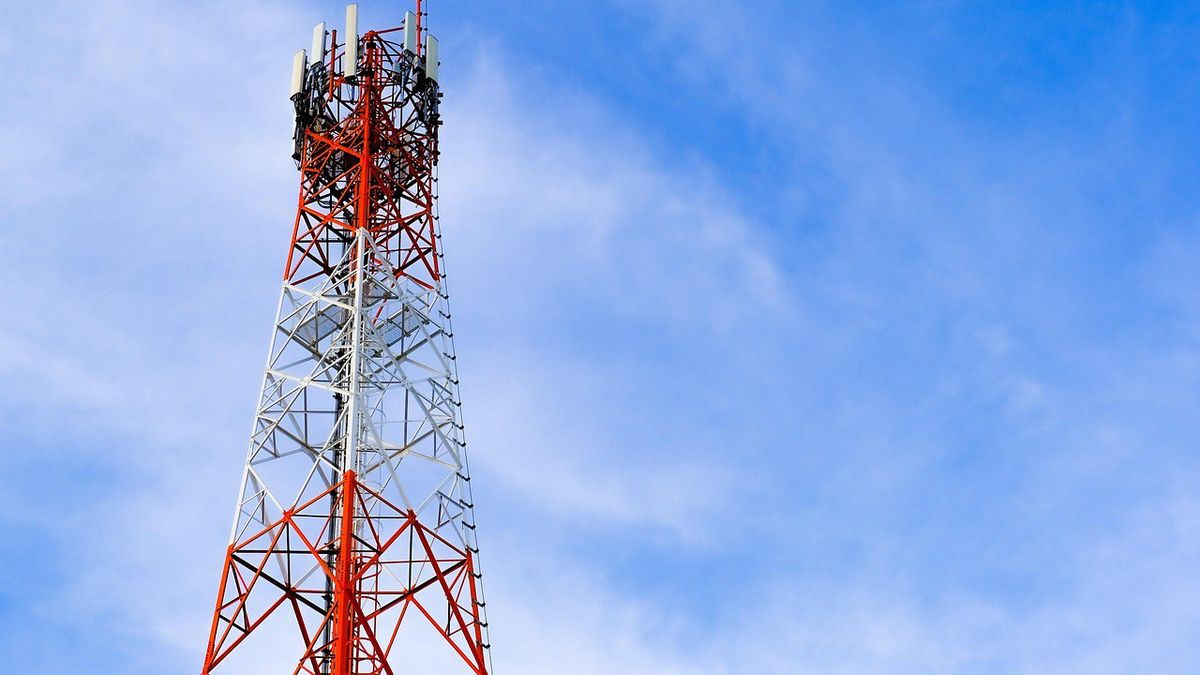


YOGYAKARTA - 5G vs 4G for the people, which one is better prepared to be executed for Indonesia in terms of infrastructure? The presence of the 5G network opens up many opportunities, but infrastructure readiness remains the main factor. Without a strong foundation, any technological technology cannot be utilized optimally by the community.
On the other hand, 4G has been the backbone of connectivity in Indonesia for years. The range is wide and people are used to using it for their daily needs. However, 5G offers a much higher speed and capacity, the question is is Indonesian infrastructure ready?
The 4G network focuses on increasing internet mobile speed and service stability. The average speed is adequate for streaming, social media access, to remote work. However, the capacity starts to be limited when data traffic increases rapidly.
In contrast, 5G is designed to deliver very low latency and speeds that can reach tens of times faster than 4G. Quoted from Tech Target, 5G offers latency below 5 milliseconds, while 4G latency ranges from 20 to 40 milliseconds. This affects the response and efficiency of the network.
4G download speeds usually reach 20 Mbps to 100 Mbps. While 5G is usually close to 1 Gbps to 3 Gbps. Even in ideal conditions using mmWave technology, the download speed of 5G can reach between 10 Gbps and 20 Gbps.
With the capacity and speed above, the 5G network is sure to be able to handle more devices in one area at once. Thus, 5G is perfect for IoT, smart city, and automation industry.
This technical difference makes 5G the future of telecommunications, but its implementation is much more complex. Back to the initial question, is Indonesia's infrastructure ready?
4G infrastructure in Indonesia currently reaches most areas that have a large population. Large operators have invested for years to expand network coverage. As a result, 4G is the most accessible service to the public.
British internet coverage research company OpenSignal has released a report regarding the state of the 4G LTE cellular network in a number of countries in the world, one of which is Indonesia. It is stated that the 4G network in Indonesia is quite wide with an availability rate of 83.5 percent.
Even so, the quality of the 4G network is still different between cities and villages. Remote areas often experience less stable speed due to tower limitations or network capacity. This is a challenge that needs to be resolved for digital equity.
But in general, 4G infrastructure is ripe and ready to be used. According to the former Minister of Communication and Information, Rudiantara, this technology is still relevant to support people's daily digital activities.
"When it comes to grassroots communities, Indonesia actually doesn't need 5G to meet the needs of its users. 4G alone is enough," said Rudiantara, at the Amartha Asia Grassroot Forum in Nusa Dua, Bali, quoted by Tempo, Thursday, May 22.
The 5G network has started rolling out in Indonesia since 2021 and is now operating in several major cities including Jakarta, Bandung, Surabaya, Makassar, and Medan. In fact, starting earlier this year, the government has started expanding the 5G network to remote areas. This shows that 5G is starting to move, although it is not evenly distributed.
5G infrastructure requires network densification which is much higher than 4G. This means that more new BTS and additional optical fiber are needed to stabilize the signal. These challenges make development costs increase significantly.
In addition, not all people's devices support 5G. The price of 5G smartphones is still relatively high for most people. As a result, 5G mass adoption still takes time and strategy maturation.
With a mature infrastructure condition, 4G is still the most realistic choice for the Indonesian people. This network is strong enough to support digital activities such as education, work, health, and entertainment. The cost of access is also more affordable for the wider community.
The government can accelerate 4G equity while preparing the 5G foundation in stages. This approach ensures that people continue to receive stable service. At the same time, technology for the future continues.
This is an explanation regarding the comparison of the readiness of 5G and 4G infrastructure in Indonesia, follow other interesting articles on VOI.ID. So that we don't miss the news of the updated follow and monitor our social media accounts!
The English, Chinese, Japanese, Arabic, and French versions are automatically generated by the AI. So there may still be inaccuracies in translating, please always see Indonesian as our main language. (system supported by DigitalSiber.id)
Most Popular Tags
#Prabowo Subianto #donald trump #firearm #8791 #giias 2026Popular


