
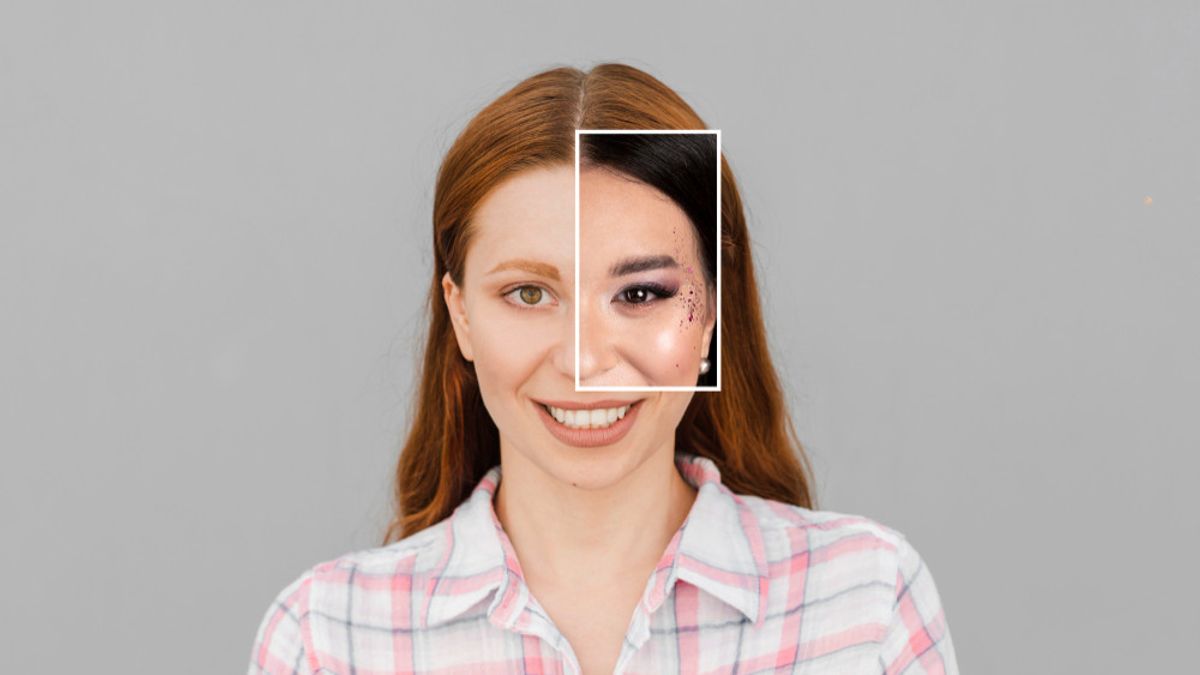


YOGYAKARTA Face Swap AI technology is now one of the most interesting innovations in the digital world. By utilizing artificial intelligence (AI), this technology allows one to replace or exchange faces realistically in photos and videos. The results seem so subtle and natural, as if the face really belongs to the person displayed.
So, what is Face Swap AI? How does it work? To find out the answer, see the explanation below.
Compiled from various sources, Simply put, Face Swap AI is a technology that uses artificial intelligence algorithms to combine a person's face to someone else's face.
This technology is not just attaching images, but can analyze facial structures, lighting, expressions, and skin tone so that the results finally appear natural.
Face swaps are widely used in the world of entertainment, advertising, and social media to create attractive and creative visual effects.
The way Face Swap AI works is to take advantage of artificial intelligence, especially deep learning and computer vision techniques to exchange faces on photos or videos.
First, the system will scan the face from the image or video, then identify important points such as the eyes, nose, and mouth. After that, AI will map the facial features and adapt them to the target's face.
This process is followed by adjustments to lighting, skin texture, and direction of view so that the results look natural and do not appear patchy.
In addition, this technology uses neural networks to study thousands of facial data, so that AI is able to understand the shape of the human face deeply. As a result, the pairing between the two faces can be done very accurately and realistically without requiring complicated manual editing.
In simple terms, the way Face Swap AI works is divided into the following four steps:
The first step, users need to upload two pictures of one as the face of the source to be moved, and another as a target image where the face will be attached.
Furthermore, the AI system automatically recognizes and analyzes faces on both images. This process includes identification of important features such as the position of the eyes, nose, and mouth, as well as analysis of facial expressions and lighting so that the results remain proportional.
After the analysis is complete, the AI algorithm starts exchanging the target face with the source's face. To ensure the results appear natural, the system will adjust skin tone, brightness levels, and facial expressions to blend perfectly with the target's photo lighting and background.
The final result can then be adjusted back by the user. They can adjust the intensity of the face exchange, adjust the color, or make other small corrections before storing the results in image and video form.
The application of Face Swap AI has many benefits, including:
In the film industry, AI is used for special effects to make actors look young again, revive historical figures, or create new characters without the need for prosthetics or re-shooting.
Although it sounds contradictory, face swaps can protect the identity of activists, journalists, or victims in documentaries without reducing their visual expressions.
Digital artists take advantage of this technology to create surealis works, explore identity, and produce unique visual narratives.
In the medical field, for example, face swaps can be used for simulations of patient interactions with dynamically reversible facial expressions.
Despite having many benefits, the implementation of Face Swap AI also has a dark side that cannot be ignored, including:
The ability to attach anyone's face to someone else's body can create fake videos or images that are difficult to distinguish from the original. This can have a major impact on a person's politics, journalism, and reputation.
One of the most serious abuses is the creation of deepfake pornography without consent, which is a serious violation of privacy and form of digital violence, especially against women.
That's information about Face Swap AI. Get news updates of other options only on VOI.ID.
The English, Chinese, Japanese, Arabic, and French versions are automatically generated by the AI. So there may still be inaccuracies in translating, please always see Indonesian as our main language. (system supported by DigitalSiber.id)
Most Popular Tags
#Prabowo Subianto #donald trump #firearm #8791 #giias 2026Popular


