

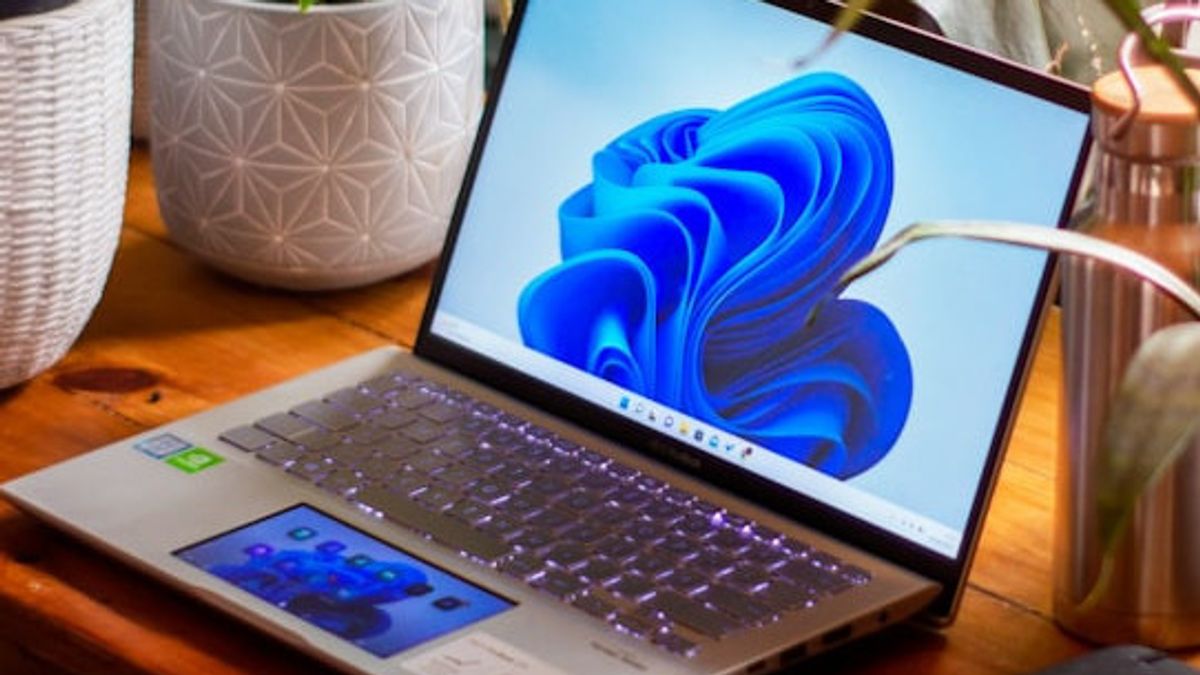


JAKARTA Microsoft is working to increase the battery life of laptops running the Windows 11 operating system (OS). One of the efforts Microsoft is making is to develop battery-efficient features.
In a Windows 11 Release Insider Preview Build 27898 for Canary Channels, Microsoft says that it is testing an adaptive energy saving mode feature. For the long term, this feature can maintain the health of its battery.
The adaptive energy saving mode feature can be activated and deactivated automatically based on the laptop's workload. Thus, this feature is not only active when the device enters a low battery range.
"The adaptive energy saving feature is an optional feature that automatically activates and disables energy saving features, without changing the screen brightness, based on current device power conditions and system loads," Microsoft said, quoted on Tuesday, July 15.
SEE ALSO:




Adaptive energy saving modes are also different from standard energy saving modes in terms of application management. Usually, standard saving modes will stop downloads or Windows updates that are considered negligible.
Applications such as OneDrive, OneNote, and Phone Link will also not be fully synchronized when the energy saving mode is active. However, in adaptive energy saving modes, all these restrictions will be adjusted to device needs.
Unfortunately, this feature is only available on devices that use batteries. Although this adaptive energy saving mode is not available for desktop PCs, Microsoft has brought its main energy saving mode to all PCs last year. With this feature, desktop PCs can also save electricity usage.
The English, Chinese, Japanese, Arabic, and French versions are automatically generated by the AI. So there may still be inaccuracies in translating, please always see Indonesian as our main language. (system supported by DigitalSiber.id)
Most Popular Tags
#Prabowo Subianto #donald trump #2026 World Cup #bgn #konflik timur tengahPopular


