


JAKARTA - Artificial intelligence (AI)-based deepfake technology is increasingly sophisticated and poses a serious threat to various industries, especially the music industry. Recently, Sony Music revealed that it has removed 75,000 deepfake content circulating online.
This report shows that AI can have a huge negative impact on the music world if it is not well controlled. Although it is not explained in detail the type of content removed, Sony Music calls it a "matter," which likely includes songs, voice recordings, and videos that use deepfake technology.
Sony Music's move to remove thousands of deepfake content is not just to warn the public, but also as part of a report filed in UK government consultations over copyright and AI rules. Sony Music fears that regulations in the UK that are getting looser on AI will actually exacerbate this issue.
With the increasing number of AI tools accessible to anyone, it is now easier for individuals to create songs using fake voices from famous singers and gain profits from them. Listeners may not realize that the songs they listen to are not the artist's original works. This is not only detrimental to musicians, but also the overall music industry.
Sony Music is now struggling to stop this practice because it has a huge impact on musicians' copyright and income. This issue is also a concern for other big labels in the music industry.
SEE ALSO:
-
 | TEKNOLOGI
Gim Aksi Petualangan Steel Seed Siap Dimainkan pada 10 April di Konsol dan PC
11 Maret 2025, 18:35 -
 | TEKNOLOGI
Bundle Astro Bot PlayStation 5 Mulai Diluncurkan Minggu Ini, Pesan Sekarang!
11 Maret 2025, 18:05 -
 | TEKNOLOGI
Ingram Micro Berkolaborasi dengan HiAware, Solusi Keamanan Siber untuk UMKM
11 Maret 2025, 17:35 -
 | TEKNOLOGI
Bluesky Akan Gunakan Data Pengguna untuk Latih AI, tetapi dengan Persetujuan
11 Maret 2025, 17:04

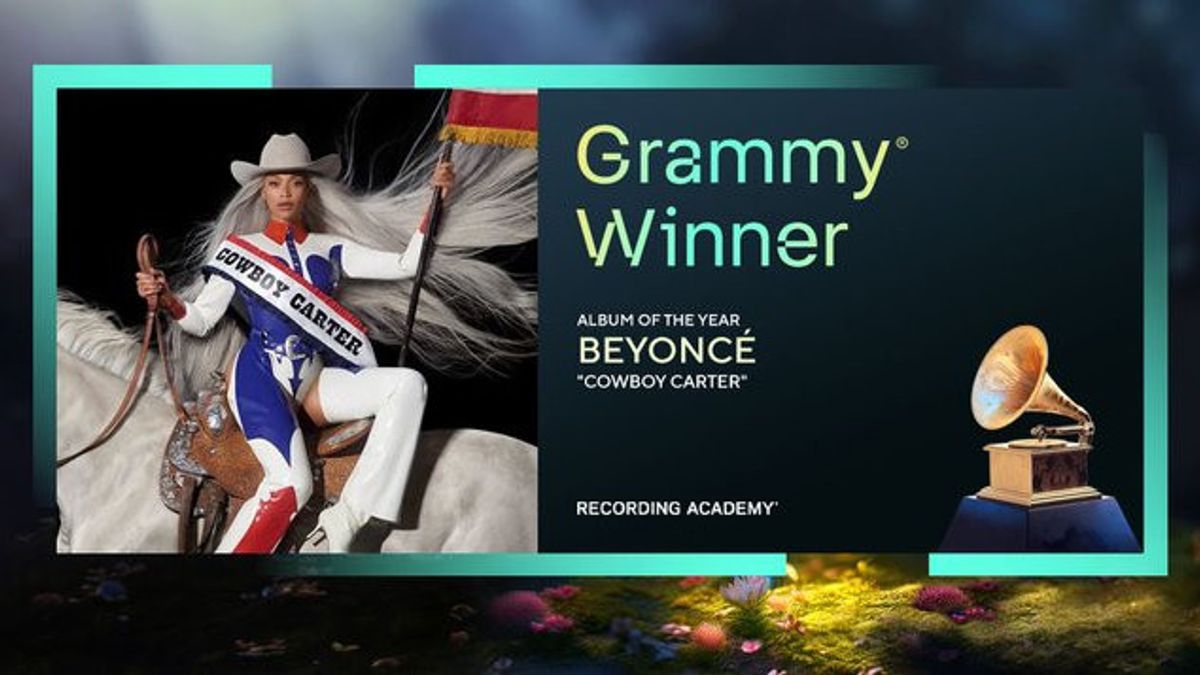
According to the report, some of the artists most frequent victims of deepfakes are Queen, Beyonce, and Harry Styles. This shows that this phenomenon is not only targeting new musicians, but also music legends.
However, until now, it is not known how much more deepfake content is still circulating on the internet. With the development of AI technology, it seems that this problem will be increasingly difficult to control in the future.
Currently, there are several technologies developed to detect deepfake or AI-generated music songs. Some of the methods used include:
Deepfake audio often has an unnatural sound wave pattern if it is deeply analyzed. Using an analytic spectrogram, experts can see the difference between the original sound and the sound of the AI result. For example, deepfake sounds may have a finer sound texture or a repeated frequency pattern, which rarely occurs in human recordings.
Several companies have developed AI-powered deepfake audio detectors that can compare sounds with original recordings and identify irregularities. Example:
Some music labels have started inserting digital watermarks on their original songs. This could be a unique pattern that AI cannot emulate. If a song doesn't have an official watermark from a label or artist, then most likely it's a deepfake result.
Companies like Shazam or ACRCloud have a large database that can be used to compare voice with official recordings. If the deepfake song does not match the official archive, it could be suspected that the song was fake.
Deepfake audio often has unnatural intonation, a strange voice transition, or a small mistake in pronunciation. This happens because the AI model is still not perfect in mimicking the dynamics of human voices.
Although deepfake detection technology is growing, AI is also increasingly sophisticated in producing fake sounds that are difficult to distinguish from the original. Therefore, many large music companies such as Sony Music continue to invest in developing more accurate detection technology.
The English, Chinese, Japanese, Arabic, and French versions are automatically generated by the AI. So there may still be inaccuracies in translating, please always see Indonesian as our main language. (system supported by DigitalSiber.id)


