

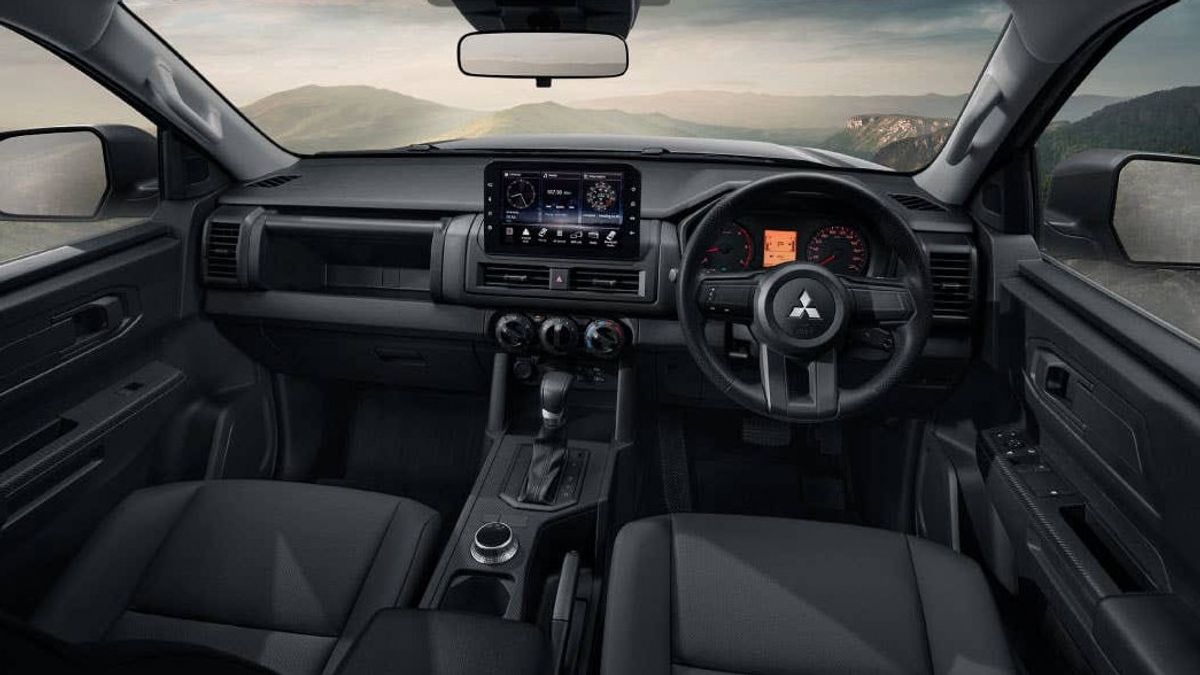


JAKARTA - Driver monitoring cameras have been synonymous with semi-autonomous vehicles. However, Mitsubishi Electric sees a much greater potential with the presence of cameras in the car cabin.
The Japanese technology company is developing an artificial intelligence (AI) based system to detect drivers who are under the influence of alcohol or drugs. The detection is by utilizing the cabin camera and vehicle data.
This technology relies on a driver monitoring system (driver monitoring system) that is able to read the pulse and facial expressions. Eye movements and changes in facial expressions are important indicators for detecting drowsiness and alcohol effects.
Mitsubishi Electric considers this approach to be more precise than conventional methods. It is said that detection through the pulse has high accuracy.
"Even though the facial changes due to alcohol are subtle, the variations in pulse rate caused by drinking can be used to detect alcohol intoxication with high accuracy," Mitsubishi Electric wrote in its explanation, as reported by Carscoops, Thursday, December 18.
All the data is then processed by the Maisart AI-powered drunk detection system, an artificial intelligence platform owned by Mitsubishi Electric. When the system detects signs of drunkenness, the vehicle is said to be able to warn the driver to intervene with vehicle control.
"Vehicle control interventions are carried out as needed to help prevent alcohol-related accidents," the company continued.
However, Mitsubishi Electric has not detailed the form of intervention. This has sparked speculation, ranging from restricting the vehicle's functions to the possibility of the car stopping itself.
The question of whether the data can be reported to authorities is still hanging. Mitsubishi Electric insists that this technology has been verified to comply with regulatory frameworks and assessment standards in Europe and the United States.
The main goal is none other than to reduce the number of traffic accidents due to driving in a drunken state. Although there are still a number of questions, the company gives a strong signal that this drunk driver detection technology has the opportunity to start being applied in mass-produced vehicles as early as next year.
The English, Chinese, Japanese, Arabic, and French versions are automatically generated by the AI. So there may still be inaccuracies in translating, please always see Indonesian as our main language. (system supported by DigitalSiber.id)


