


JAKARTA Elon Musk is back in the spotlight after mocking the number of robotics fleets belonging to Waymo "Ronie numbers" term gaul which is often used as a sign of a lack of experience on his X account. Meanwhile, Tesla's Full Self-Driving (FSD) technology itself is considered to have not yet reached the full autonomous level as he repeatedly promised.
Reported by Electrek, Friday, November 14, over the past few years, Musk has often mentioned that FSD will be resolved by the end of this year or next year. However, until now, this realization has not materialized, and a number of analysts have begun to judge that Musk's optimism is too far from technical conditions on the ground.
Tesla is known to have run a limited robotics service in Austin, Texas. However, the vehicle still uses a backup driver in the front seat to take over the wheel when needed.
Meanwhile, Waymo operates more fully driverless vehicles in the cabin. Operational data show that Tesla's fleet is still very limited, only tens of units in Austin and hundreds in trials in the Bay Area.
On the other hand, Waymo operates around 2,500 vehicles. Even so, Musk still sees this number as a beginner figure. Comparison of the accident rate also raises questions.
Tesla's robotics are recorded to be more or less involved in incidents than Waymo vehicles. On the other hand, Tesla's safety reports are considered to have several methodological weaknesses, such as only recording accidents that trigger airbags and dominance of the use of FSD on toll roads that are statistically safer.
SEE ALSO:
-
 | OTOINFO
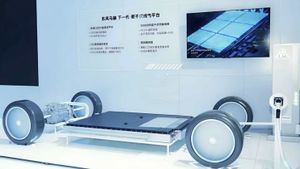
Pabrikan China Ini Siapkan Baterai Solid-State yang Bisa Buat Mobil Tempuh 1.000 Km
14 November 2025, 13:18 -
 | MOBIL
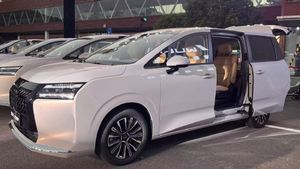
Kembaran Wuling Darion Meluncur di China dengan Harga Lebih Murah dan Mesin Beragam
14 November 2025, 12:22
In addition, many users choose to turn off the system during bad weather or difficult road conditions, so that the accident that occurred when they took over manually was not recorded in the evaluation of FSD performance.
On a number of occasions, Musk emphasized that Tesla is well ahead of competitors in the development of autonomous vehicles. Tesla is also increasingly spreading misleading claims about a safer 'Full Self-Driving' system than humans.
But public comparisons show the opposite situation, where the Waymo fleet is bigger, more mature, and completely operational driverless. The difference between claims and actual performance on the ground sparked talks in the autonomous car industry about the extent to which the company's optimism is in line with the reality of its technological capabilities.
"I think he sometimes really believes Tesla is close to solving the autonomy problem, but at the same time, he is willing to cross the line and mislead people by thinking Tesla is more advanced than it really is," wrote the editor's opinion on this FSD.
The English, Chinese, Japanese, Arabic, and French versions are automatically generated by the AI. So there may still be inaccuracies in translating, please always see Indonesian as our main language. (system supported by DigitalSiber.id)
Most Popular Tags
#Prabowo Subianto #donald trump #Febrie Adriansyah #8791 #giias 2026Popular


