


JAKARTA A heat wave of automotive politics hit the United States (US). Eleven states, led by California, on Thursday, June 12 local time, officially filed a lawsuit against President Donald Trump's Administration. This lawsuit opposes the lifting of California's 2035 electric vehicle (EV) regulations and the requirement for zero-emission heavy trucks that have been ratified by Congress.
This development comes after President Trump signed three resolutions approved by lawmakers on Thursday. The resolution effectively prohibits the mandate of selling California electric vehicles and diesel engine rules, including the state's ambitious plans to end sales of gasoline-powered vehicles by 2035.
"We have officially saved the US automotive industry from being destroyed by ending the California electric vehicle mandate for good," Trump said on Thursday, quoted by Reuters on Friday, June 13, signaling victory for more pro-industrial and consumer-centric policies.
However, California Governor Gavin Newsom did not remain silent. "Trump's overall attack on California continues," Newsom replied. "And this time he destroyed our clean air and America's global competitiveness in the process."
Sued Revocation: From Passenger Cars To Heavy Trucks
The lawsuit, which was filed in the US District Court in northern California, asked the judge to state that the lifting of leniency issued by the Environmental Protection Agency (EPA) under President Joe Biden's administration had no impact on state emission rules. The plaintiffs accused the Federal Government of "illegal games" of avoiding legal procedures that might prevent the "elimination" of California's disfavorable laws.
The relief Biden previously provided allowed California to require at least 80 percent of new vehicles sold in the state to be electric vehicles by 2035, with the rest being plug-in hybrids.
In addition to the passenger car mandate, Trump also signed a resolution to revoke EPA's 2023 approval of California's plan to require an increase in the number of zero-emission heavy trucks, as well as another resolution regarding California's low-NOx (low-oxide nitrogen) regulations for vehicles and highway engines and off-road heavy duty. The lawsuit states that regulations requiring "tructural emission reductions from gasoline-powered and diesel vehicles are also removed."
SEE ALSO:
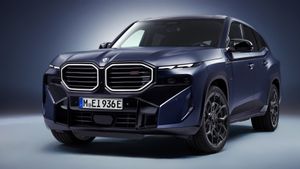
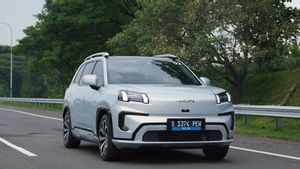
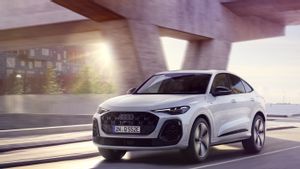
Automotive Industry And Tesla In Conflict vortices
The main reason behind this revocation, according to industry groups such as Alliance for Automotive Innovation (which represents General Motors, Toyota, Volkswagen, Hyundai, Stellantis, and others), is that the EV rules cannot be achieved, make cars less affordable, limit consumer choice, and reduce industrial competition. Alliance CEO John totala praised Trump's actions, by stating that "Trump is behind this lifting before EV mandate completely undermines the automotive industry in America, defends customer choices, and helps restore equilibrium levels to US emission regulations."
On the other hand, automakers and manufacturers say Trump's revocation significantly reduces Tesla's EV emission credit value.
Responding to the lawsuit, the EPA stated that the lawsuit had no basis. "This is nothing more than California's raging karena the American people don't want the state's bad policies," said EPA spokesman Molly Vaseliou.
The Future Of Electric Vehicles In The US Threatened?
This legal battle is not the only threat to EV push in the US. A separate bill passed by the US House in May would end a $7,500 tax credit for a new EV, charge an annual fee of $250 on EVs for road repair costs, and lift vehicle emissions rules designed to encourage automakers to build more EVs. The law will also remove EV battery production tax credit by 2028. Meanwhile, other Senate proposals will eliminate penalties for not meeting federal fuel efficiency requirements.
This regulatory war underscores deep divisions in the United States over the future direction of the automotive industry and efforts to combat climate change. The outcome of this lawsuit and other legislative proposals will have major implications for the transition to electric vehicles in the US and perhaps, indirectly, in the global market.
The English, Chinese, Japanese, Arabic, and French versions are automatically generated by the AI. So there may still be inaccuracies in translating, please always see Indonesian as our main language. (system supported by DigitalSiber.id)
Most Popular Tags
#Prabowo Subianto #donald trump #2026 World Cup #bgn #konflik timur tengahPopular


