
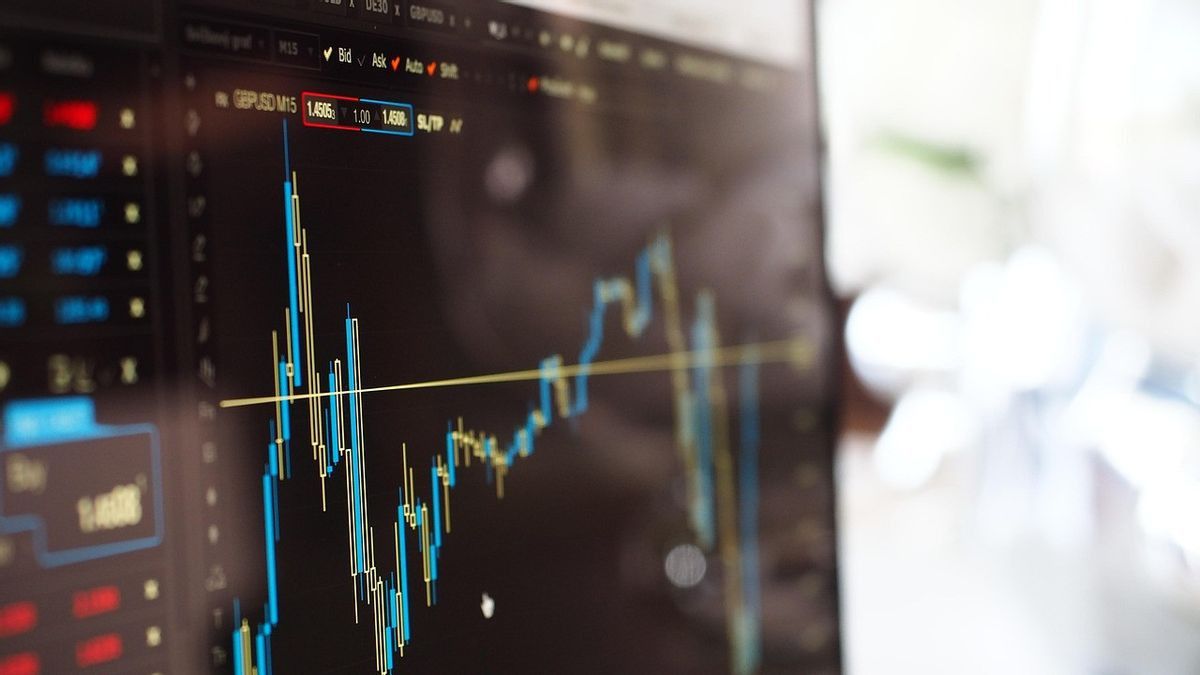


The Indonesian stock market is under pressure. In two trading days on January 28-29, 2026, the Composite Stock Price Index (JCI) fell to 8% and triggered a trading halt.
This tremor occurred after MSCI suspended a number of changes to Indonesian stocks because it assessed that the ownership structure of shares was still too concentrated and market access was not optimal. MSCI also froze the addition of Indonesian stocks to the index and held off increasing the weight of stocks available for trading.
A number of international investment institutions have adjusted their views. Goldman Sachs lowered its recommendation for Indonesian stocks to underweight, while UBS changed it to neutral. These adjustments strengthen selling pressure and show that investors are still waiting for clarity on policy direction.
The stock market situation is more sensitive after a change of leadership in the financial sector. Mahendra Siregar, Mirza Adityaswara, Inarno Djajadi, I.B. Aditya Jayaantara, and Iman Rachman resigned from their respective positions. This change adds to market participants' concerns about policy continuity.
The government is moving quickly to maintain stability. The Financial Services Authority (OJK) appointed Friderica Widyasari Dewi as a substitute commissioner board member for the positions of Chairman and Vice Chairman. Hasan Fawzi was also appointed as a substitute for the Head of Capital Market Supervisory Executive. At the Indonesia Stock Exchange (IDX), the position of chief director was filled by Jeffrey Hendrik as an interim official.
However, long-term stability is not enough to be supported by the change of officials. The government launched a package of structural reforms. One of them is the plan to demutualize the IDX, namely the change in the ownership structure of the exchange from the ownership of securities members to a more independent and professional entity.
This step is not new. A number of global exchanges have also done the same. For example, the Stockholm Stock Exchange demutualized in 1993. Singapore Exchange underwent a similar process in 1999 and listed its shares in 2000. The New York Stock Exchange also changed into an open company after merging with Archipelago in 2006. The transformation aims to increase transparency and accountability for exchange governance.
In the latest reform, the government set a minimum limit for free float or the portion of a company's shares that are publicly traded and actively traded on the exchange from 7.5 percent to 15 percent. The goal is to increase liquidity and meet global standards. The threshold for reporting share ownership is also tightened to clarify the shareholder structure.
To strengthen market resilience, OJK has opened up room for an increase in the proportion of investment in pension and insurance funds to 20 percent. This institution is expected to become an anchor investor during high volatility. There are still strict requirements. Investments are directed at healthy and liquid stocks. Not gorengan stocks.
The crackdown on speculative stock practices or gorengan stocks is also strengthened. The government through the IDX and law enforcement officials reiterated its commitment to crack down on violations that harm investors and damage market integrity. In fact, the Chairman of the National Consumer Protection Agency (BPKN), Mufti Mubarok said, this practice is a serious threat to the integrity of the capital market.
The government also opens the opportunity for Danantara to participate as a shareholder of the IDX. On the other hand, Danantara has ownership in a number of listed companies. This condition needs to be carefully regulated so as not to create conflicts of interest between the functions of managing companies and owners of trading infrastructure.
Bhima Yudhistira, Celios Executive Director, said that investors would be harmed if Danantara had a large share in the IDX due to conflicts of interest (giving special treatment to listed SOEs), and the President needed to be firm in prohibiting the acquisition. On the other hand, Danantara stated that new investment interest would only take place after the demutualization framework was determined, while emphasizing the focus on strengthening governance to build credibility. "
Markets are waiting to see if these reforms are fast enough to restore confidence. Quick steps to increase transparency, liquidity, and supervision show a commitment to maintaining stability. The next challenge is to ensure that implementation is consistent so that the market structure becomes stronger.
The stock market not only reflects transactions, but also the level of confidence in economic governance. That confidence grows when the system is open, fair, and free from conflicts of interest. Proper reforms will strengthen these foundations and send a positive signal to domestic and global investors.
The English, Chinese, Japanese, Arabic, and French versions are automatically generated by the AI. So there may still be inaccuracies in translating, please always see Indonesian as our main language. (system supported by DigitalSiber.id)
Most Popular Tags
#Prabowo Subianto #donald trump #2026 World Cup #Febrie Adriansyah #8791Popular


