



JAKARTA - Tensions in the Middle East reached a new boiling point on Sunday, March 22. The United States and Iran are now throwing threats to destroy vital infrastructure following President Donald Trump's harsh warning.
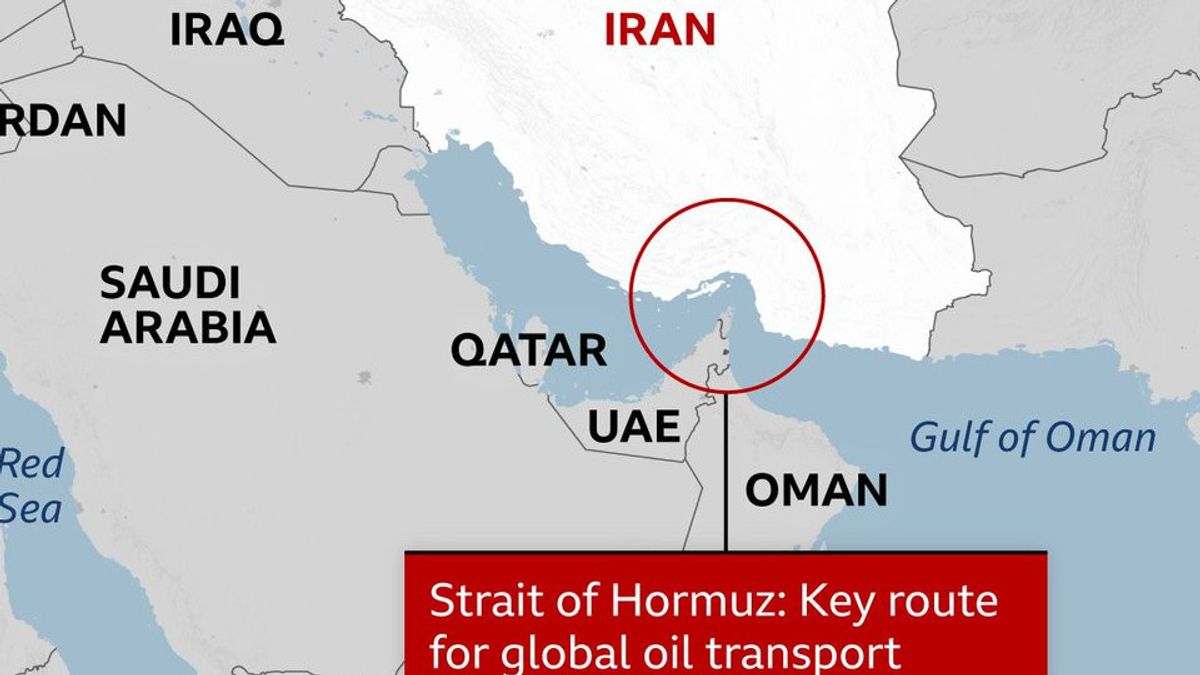
Trump reiterated that the US military would destroy Iran's power plant if the Strait of Hormuz was not fully opened within 48 hours. In response to the threat, Tehran said it would completely close the waterway crucial to world oil exports if the US dared to act.
The Iranian military even expanded its retaliatory targets to the US energy, information technology (IT), and desalination facilities throughout the Middle East region.
Iran's move to close the Strait of Hormuz has crippled nearly a fifth of global oil supplies. The impact, world fuel and food prices jumped sharply. Although the US had lifted sanctions on Iranian oil at sea to suppress market prices, this escalation actually worsened the situation.
Trump accused the Iranian Revolutionary Guard of controlling the country's infrastructure to support the war machine. "Various power plants, starting with the largest first!" Trump wrote on social media regarding a list of potential US targets.
The Speaker of the Iranian Parliament responded with a similar threat. He stated that if their facilities were attacked, then all vital infrastructure in the region, including water desalination facilities, would be considered legitimate targets and would be "permanently destroyed."
This escalation is not limited to the Middle East. Iran is rumored to have started targeting the British-US joint military base, Diego Garcia, in the Indian Ocean, which is about 4,000 kilometers away. This shows Iran's missile technology leap that was previously undetected.
The English, Chinese, Japanese, Arabic, and French versions are automatically generated by the AI. So there may still be inaccuracies in translating, please always see Indonesian as our main language. (system supported by DigitalSiber.id)


