



JAKARTA - The National Disaster Management Agency (BNPB) recorded a number of disaster incidents in various regions in Indonesia on January 31 to February 1, 2026, including landslides, extreme weather, floods, coastal abrasion, to forest and land fires.
"BNPB together with the local government and related elements continue to handle emergencies, data collection, and meeting the basic needs of affected people," said Head of the BNPB Disaster Data, Information and Communication Center, Abdul Muhari, in a written statement in Jakarta, Sunday.
He said that in Bogor Regency, West Java, long-lasting rain triggered landslides in Karang Tengah Village, Babakan Madang District, which resulted in 11 houses being slightly damaged and affecting 57 people.
The local BPBD continues to monitor the condition of the still unstable land and urges residents to carry out self-evacuation if the rain comes down again.
In addition, extreme weather also hit seven villages in three sub-districts in Klaten Regency, Central Java. The impact of the incident caused dozens of houses and public facilities to experience minor to moderate damage and a number of road access to be disrupted due to fallen trees.
In the eastern part of Indonesia, Abdul Muhari said that flooding hit Soagimalaha Village, Kota Maba District, East Halmahera Regency, North Maluku, which affected dozens of houses, worship facilities, and public cemeteries.
On the same day, coastal abrasion occurred in Puao Village, Central Wasile District, damaging the wave-retaining talud and impacting residents' houses and fishing boats.
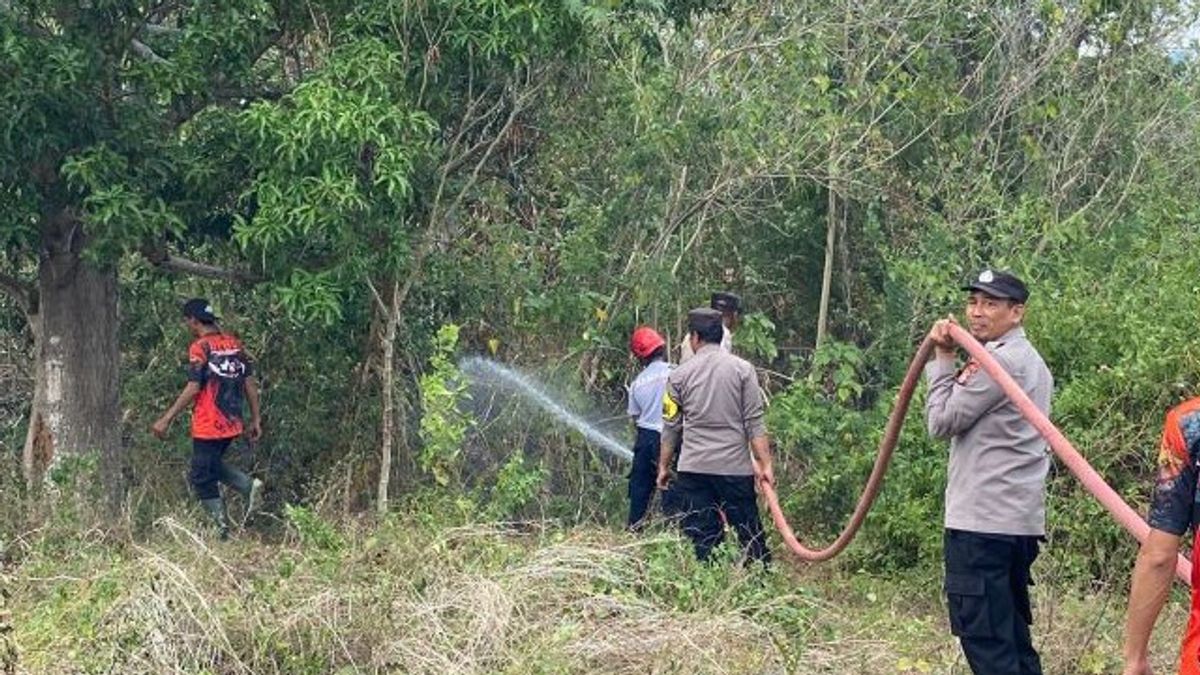
Meanwhile, forest and land fires were also reported in Parigi Moutong Regency, Central Sulawesi. The fire was extinguished on the same day with an area of burned land of around one hectare and no casualties.
"Responding to these various incidents, BNPB appeals to the public and local governments to continue to increase their preparedness, especially in the face of the potential for wet and dry hydrometeorological disasters," he said.
He reminded people living in disaster-prone areas, especially river banks and coasts, to regularly monitor environmental conditions, know evacuation routes, and update weather information through official sources.
The English, Chinese, Japanese, Arabic, and French versions are automatically generated by the AI. So there may still be inaccuracies in translating, please always see Indonesian as our main language. (system supported by DigitalSiber.id)
Most Popular Tags
#Prabowo Subianto #donald trump #earthquake #independence day #8791 #hut riPopular


