
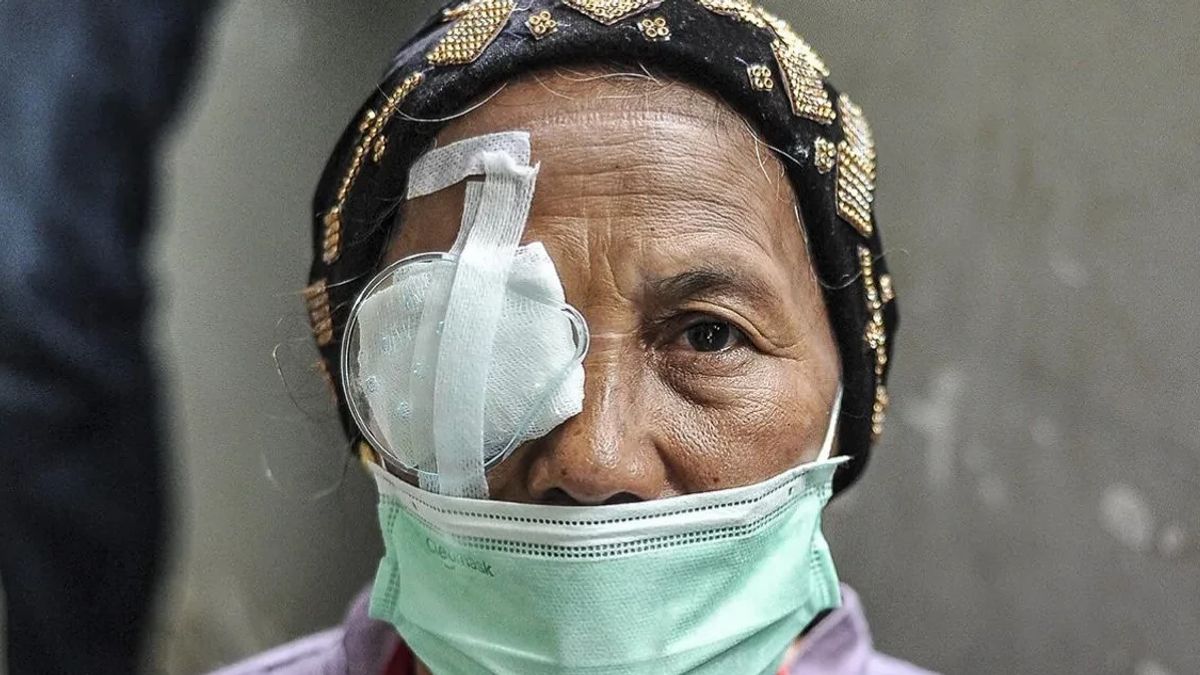


JAKARTA - There are still many people who think cataracts only appear due to age factors. In fact, the causes of cataracts are quite diverse. In order to be more vigilant, it is best to understand the various triggers and risk factors.
Certain health problems can also trigger the onset of cataracts. By understanding the causes from the start, you can take the right preventive measures. Learn more about the causes and how to prevent them so that your vision is maintained!
What is Cataract?Cataracts are a condition when the lens of the eye becomes cloudy so that light is difficult to enter clearly into the retina. As a result, vision slowly becomes blurred, as if seeing through a foggy glass. This condition usually develops gradually and is often experienced as you get older. However, cataracts can appear faster due to certain health or lifestyle factors.
Causes of CataractsCataracts not only occur due to the aging process, but can also be triggered by various other factors that are often not realized. Here are some of the most common causes of cataracts:
1. Age Factor
As we age, proteins in the eye lens undergo denaturation and aggregation, resulting in progressive clouding. In this case, senile cataract is the most common type, which usually appears after the age of 50.
2. Radiation
Exposure to radiation, both from medical therapy and extreme environments, can damage lens tissue and accelerate cataract formation.
3. Steroid Use
Long-term consumption of steroid drugs, whether in the form of tablets, eye drops, or inhalers, can increase the risk of cataracts if not used as recommended by a doctor.
4. Family History
Some types of cataracts can be inherited genetically. Certain gene mutations have been identified as playing a role in the formation of familial cataracts. If a close family member has ever had cataracts, then your risk of experiencing them also increases.
5. Eye Injury
Trauma or impact on the eye can damage the lens structure and cause traumatic cataracts, either occurring directly or developing gradually over months or years after the injury.
6. Infection
Infections during pregnancy such as rubella, toxoplasmosis, cytomegalovirus (CMV), or herpes can cause congenital cataracts in the fetus. Infections in the eyes can potentially cause changes in the lens and trigger the onset of cataracts.
7. Obesity
Obesity can also be a cause of cataracts indirectly. This is because overweight can trigger diabetes and high blood pressure which have the potential to increase the risk of cataracts.
8. Alcohol Consumption
Excessive alcohol consumption in the long term can cause oxidative stress and protein denaturation in the eye lens which can increase the risk of cataract.
9. Smoking Habits
Chemical substances in cigarettes can damage eye tissue and accelerate the formation of cataracts. The risk increases with the duration and intensity of smoking.
10. Excessive UV Exposure
Exposure to the sun without the protection of glasses can also damage the lens of the eye gradually. UV rays accelerate the lens clouding process and increase the risk of cataracts
Cataract SymptomsThe symptoms of cataracts generally appear gradually and often are not immediately realized. Some symptoms that you need to pay attention to include:
- Double vision in one eye. - Colors appear more faded or dull. - Vision appears blurred or foggy. - Sensitive to bright light or glare. - Difficulty seeing clearly at night. - Appears to be a circle of light (halo) when looking at the lights. - Often change the size of glasses because the quality of vision changes quickly.
Cataract TreatmentCataract treatment is carried out based on the severity and visual impairment experienced by the patient. If the cataract has not yet interfered too much with daily activities, the doctor may suggest using new glasses first.
However, if cataracts make vision decline to the point of interfering with daily activities, then surgery is generally a recommended treatment step to restore clarity to your vision.
By recognizing the causes, symptoms, and understanding the risk factors for cataracts early, you can take the right preventive steps to maintain eye health.
If you experience vision complaints, do not hesitate to consult an ophthalmologist to get the best treatment and according to your needs.
To get the right diagnosis and treatment of cataracts with the best technology, you can consult an ophthalmologist at JEC Eye Hospitals and Clinics.
JEC provides cataract services with modern surgical technology, namely FLACS (Femtosecond Laser Assisted Cataract Surgery) which offers high accuracy and fast rates.
Schedule a visit and get the best care for your eye health now!
The English, Chinese, Japanese, Arabic, and French versions are automatically generated by the AI. So there may still be inaccuracies in translating, please always see Indonesian as our main language. (system supported by DigitalSiber.id)
Popular


