


JAKARTA - Tomorrow will be a long wait for the Fanuse Adete, one of Ethiopia's many who hope that their homes will be illuminated with lights and can use simple equipment sourced from electricity.
The widow of 7 children lives in Menabichu District, only 10 km from Ethiopia's capital, Addis Ababa. Currently, the 38-year-old woman only relies on kerosene and candles to illuminate her mud-walled hut at night.
Previously, our daily lives relied on kerosene and charcoal lights, which pose significant challenges. We transport firewood to the market, sell them to buy kerosene and bread for our children. However, with the completion of the dam, our entire community is now happy," he said, while cooking water using firewood to make typical Ethiopian coffee, quoted from AP.
SEE ALSO:
-
 | BERITA
Pilot Makan 'Jamur Ajaib' Mengaku Matikan Mesin Saat Terbangkan Pesawat Berpenumpang 84 Orang
08 September 2025, 04:37 -
 | BERITA
Jutaan Smartphone di Inggris Berbunyi Serentak dalam Uji Coba Peringatan Diri Bencana
08 September 2025, 01:39 -
 | BERITA
Jelang Pengakuan Kedaulatan, PM Palestina Temui Menlu Inggris Bahas Solusi 2 Negara
08 September 2025, 01:09 -
 | BERITA
2 Orang Tewas Usai Pilar Jembatan Baru Dibangun Ambruk Timpa Mobil di Irak
07 September 2025, 18:46
SEE ALSO:
-
| BERITA
Pilot Makan 'Jamur Ajaib' Mengaku Matikan Mesin Saat Terbangkan Pesawat Berpenumpang 84 Orang
08 September 2025, 04:37 -
| BERITA
Jutaan Smartphone di Inggris Berbunyi Serentak dalam Uji Coba Peringatan Diri Bencana
08 September 2025, 01:39 -
| BERITA
Jelang Pengakuan Kedaulatan, PM Palestina Temui Menlu Inggris Bahas Solusi 2 Negara
08 September 2025, 01:09 -
| BERITA
2 Orang Tewas Usai Pilar Jembatan Baru Dibangun Ambruk Timpa Mobil di Irak
07 September 2025, 18:46
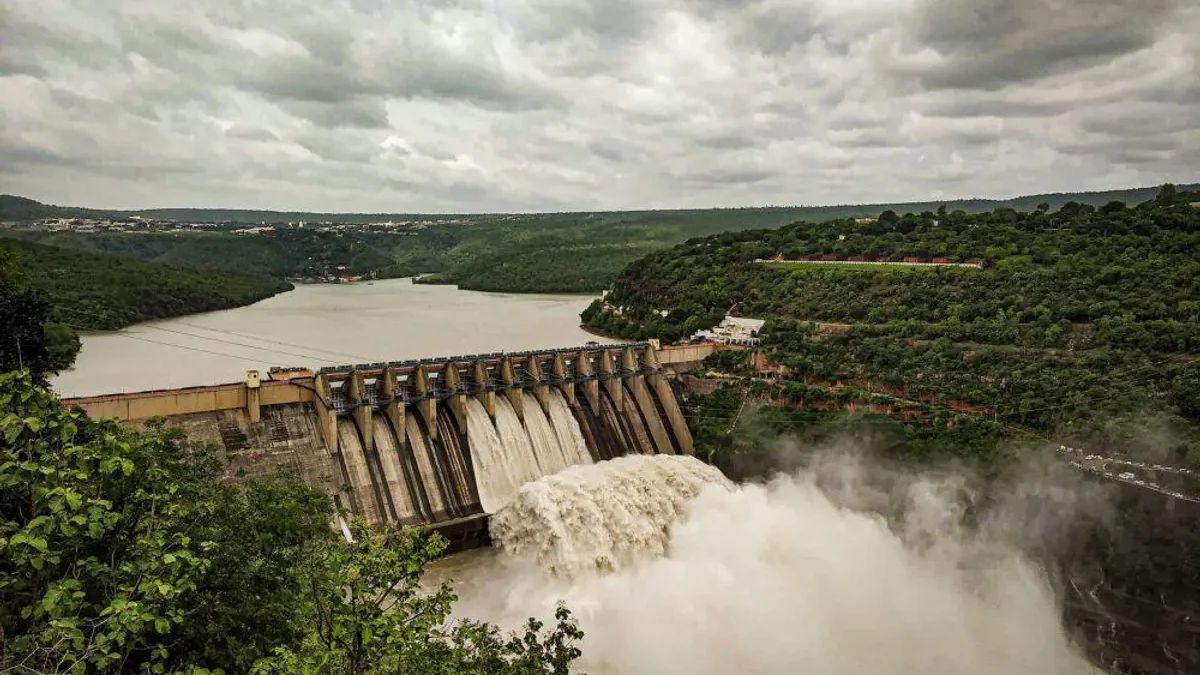
Ethiopia will inaugurate Ethiopia's Grand Renaissance Dam along the Blue Nile tomorrow, Tuesday, September 8 local time. The dam is expected to produce more than 5,000 megawatts, doubling Ethiopia's current electricity production, some of which will be exported to neighboring countries.
The dam, whose construction began in 2011, has raised concerns from neighboring countries, Egypt and Sudan, regarding the potential for downstream water decline.
Although a meeting has been held to discuss the distribution of the Blue Nile water, potentially affected countries still object. Egypt, for example, said the Grand Renaissance Dam was at high risk of causing drought downstream.
However, Ethiopia insists that the towering dam will not only benefit more than 100 million of its population, but also neighboring countries, and see it as an opportunity to become Africa's leading electric exporter.
Ethiopia's Air Minister, Habtam Itefa, confirmed that his country has no intention of harming any neighboring countries.
So, the step forward is: let's work together to get more investment. Let's join hands to propose more projects that can benefit us all, wherever the location is. This project can be extended to countries in the Nil River Basin Uganda, Tanzania, Rwanda, Congo, South Sudan, Kenya, Ethiopian, and even Egypt, "said Itefa.
Water researchers downstream Egypt said the dam had reduced the water supply the country received. They also encourage the Egyptian government to look for short-term solutions such as reducing annual consumption and recycling irrigation water.
Egypt is able to overcome this shortfall through the Egyptian High Dam, which has water reserves used to replace the water lost due to GERD. However, we can't always rely on these reserves for water supply, "said Abbas Shakaky, professor of geology and water resources from Cairo University.
Meanwhile, water researchers in Sudan said, during the dam, the intensity of seasonal flooding in their country was reduced. However, they still warn that uncoordinated release of water from the dam could cause sudden flooding or a long dry period.
But Itefa said that so far, the water level recorded downstream during the dry season was "three to four times what they got before the dam."
"This means, at the expense of the dams we build, they can own their irrigation land. Three to four times, they can increase it, because we provide more water during the dry months. This is a blessing for them," said Itefa.
Yacob Arsano, a hydropolitical lecturer at Nil Basin from Addis Ababa University, said Ethiopia was "very careful" in the design and planning of dams to ensure water flowed downstream throughout the year.
"Egypt continues to receive water. Ethiopia continues to deliver water. So that's the facts left and how to regulate the use of these shared water resources depends on both sides. All countries upstream and downstream need to sit together well and wisely," said Arsano.
For the Ethiopian people, efforts to increase electricity supply to encourage development are good news. Amakelech Debalke Gebre-Giorgis, a mother of 2 children in Addis Ababa, is looking forward to it.
"We want to see more development, and we want to see more electricity being a part of our daily lives, and we are all very enthusiastic," said Giorgis.
The English, Chinese, Japanese, Arabic, and French versions are automatically generated by the AI. So there may still be inaccuracies in translating, please always see Indonesian as our main language. (system supported by DigitalSiber.id)
Most Popular Tags
#Prabowo Subianto #donald trump #2026 World Cup #Febrie Adriansyah #8791Popular


