

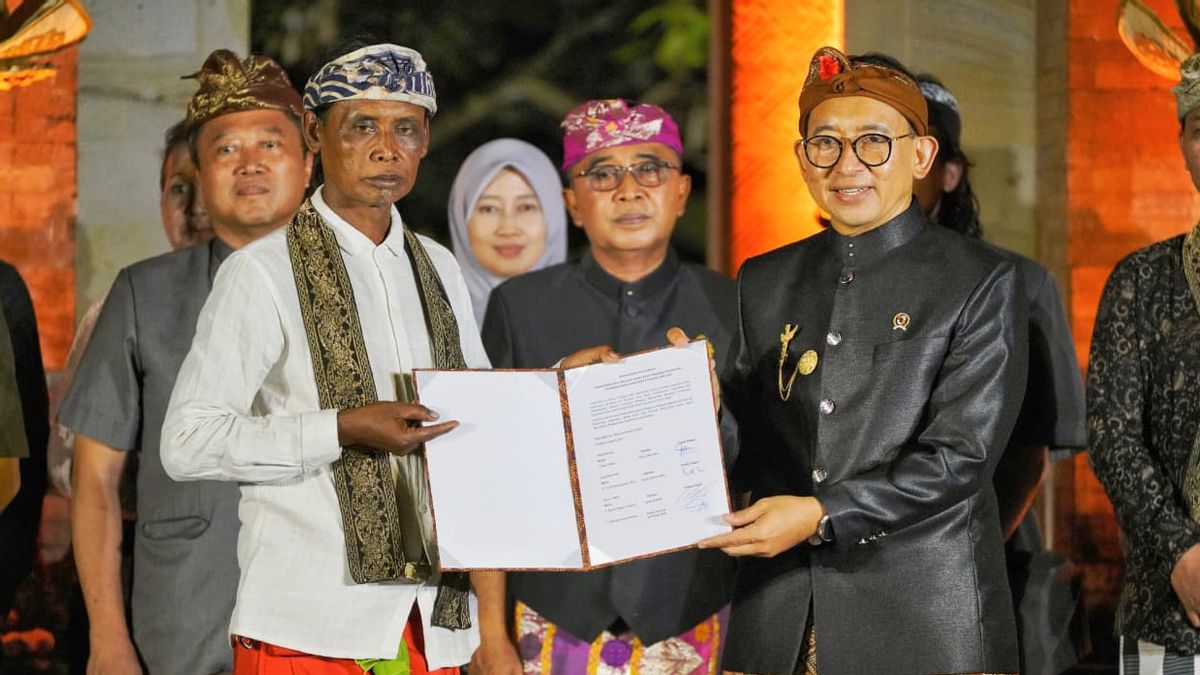


GIANYAR - The Indonesian Ministry of Culture, in collaboration with the Neka Art Museum, opened a meeting space titled "Harmony of Cultural Advancement" in Ubud, Bali, on Monday, September 1st. This event brought together fine arts, cultural literacy, indigenous communities, and traditional culinary traditions as a manifestation of the advancement of national culture.
Four main agendas were presented simultaneously: the "Vibrant Colors" Keris Fine Art Exhibition, the book launch of "Taksu Keris Bali," a community forum, and the culinary gastronomy experience "Culinary Cara Puri."
Minister of Culture Fadli Zon emphasized that culture is a unifying force for the nation. "Culture unites. Life goes on, culture must go on. Life goes on, and so does culture," he said.
The book "Taksu Keris Bali," written by Minister Fadli and his special staff, Basuki Teguh Yuwono, was a major highlight. This book explores the keris as more than just an heirloom, but a manifestation of the values, beliefs, and spirituality of the Balinese people. The book launch was marked by the Pendet Dance, followed by a contemporary keris art exhibition.
Minister of Culture Fadli emphasized that the Balinese keris is not only a highly aesthetic work of art, but also a symbol of cultural diplomacy. President Prabowo often presents Balinese keris to world leaders.
Furthermore, as Chairman of the Indonesian Keris Association (SNKI), Minister Fadli inaugurated the Regional Coordinator of SNKI Bali. This organization now houses more than 220 keris associations throughout Indonesia.
A space for reflection was also provided through the Indigenous Peoples' Workshop. Community representatives expressed their aspirations regarding the sustainability of customs and the challenges of safeguarding cultural rights. Minister Fadli emphasized that indigenous peoples are at the forefront of cultural preservation.
Meanwhile, Culinary Cara Puri showcased the philosophy of Balinese royal banquets. Dishes are passed down from generation to generation, served with etiquette, prayer, and symbolic meaning. For Minister Fadli, traditional cuisine is not just about taste, but about the harmony of humans, nature, and God.
This event was part of the CHANDI 2025 international cultural conference in Sanur. The Ministry of Culture emphasized that cultural advancement is not solely the government's responsibility, but a collective effort.
Bali's cultural heritage demonstrates that Indonesian culture is not a dead document, but rather a living legacy that continues to evolve and provide meaning for current and future generations.
The English, Chinese, Japanese, Arabic, and French versions are automatically generated by the AI. So there may still be inaccuracies in translating, please always see Indonesian as our main language. (system supported by DigitalSiber.id)
Most Popular Tags
#Prabowo Subianto #donald trump #2026 World Cup #Febrie Adriansyah #8791Popular


