


JAKARTA - Indonesia's cultural and musical wealth has become something that has been highlighted by the Minister of Culture, Fadli Zon. He emphasized that Indonesian music reflects cultural and ethnic diversity in the archipelago that needs to be better known to the world.
"Indonesia's music is very rich, both in the form of traditional music and modern music genres that have grown rapidly since the 1950s, so it is necessary to continue to be introduced throughout the world," Fadli Zon said in Jakarta on National Music Day, citing ANTARA Sunday, March 9.
Fadli stated that Indonesia has more than a thousand types of traditional music spread across various regions, as well as more than 200 traditional musical instruments that describe the rich culture of the nation.
Some traditional music has received world recognition, such as the angklung described by UNESCO in 2010 as an intangible cultural heritage, followed by gamelan in 2021, Tari Saman in 2011, and most recently kolintang in 2024.
Fadli also stated that Indonesian music is often the object of research in ethno-musicology and continues to be admired by the global community.
According to him, this is proof that Indonesian music has extraordinary appeal and value in the eyes of the world.
Through the Ministry of Culture, Fadli ensured that he would continue to support the development of music as a medium of culture and cultural expression, as regulated in the Law on the Advancement of Culture No. 5 of 2017 and Law No. 28 of 2014 concerning Copyright.
"The Ministry of Culture is committed to protecting art creation, including music, and ensuring that the creators' moral and economic rights are protected," he said.
Furthermore, Fadli explained that various initiatives and programs from the Ministry of Culture will also support the development of the Indonesian music ecosystem, such as the Cinta Lagu Anak Indonesia program, Indonesian Music Expo, the Indonesian Traditional Music Festival, as well as national song creation competitions and traditional music digitization.
SEE ALSO:
-
 | MUSIK
Melihat Keberadaan AI dalam Merefleksikan Perayaan Hari Musik Nasional 2025
09 Maret 2025, 22:30
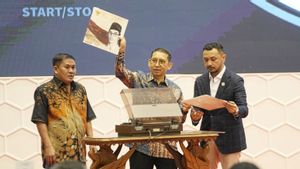
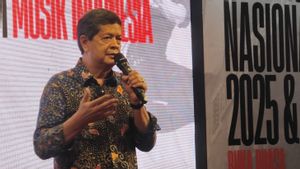
The Ministry of Culture, according to him, will also continue to cooperate with various parties, including musicians, songwriters, singers, and organizations such as LMKN, to organize activities that support the development of Indonesian music.
"We want to ensure that Indonesian music continues to grow and get proper appreciation, both at the national and international levels," he said.
Fadli Zon also reminded that based on the mandate of Article 32 paragraph 1 of the 1945 Constitution, the state has an obligation to advance Indonesia's national culture in the midst of world civilization.
Indonesian music, he said, has great potential to contribute to global cultural waves, such as the K-pop phenomenon from South Korea or Japanese pop culture.
"Hopefully Indonesian music can be at the forefront of creating 'Indonesian Wave', as can music and films from our neighboring countries. This is a great opportunity for Indonesia to show its contribution to world civilization," he said.
He also invited the entire community, including musicians, artists, and educators, to continue to liven up music as a means of education, cultural expressions, and unifying the nation.
"With the spirit of National Music Day, let's all continue to love Indonesian music and maintain the spirit of nationality in every strain of tone and rhythm," said Menbud Fadli Zon.
The English, Chinese, Japanese, Arabic, and French versions are automatically generated by the AI. So there may still be inaccuracies in translating, please always see Indonesian as our main language. (system supported by DigitalSiber.id)


