
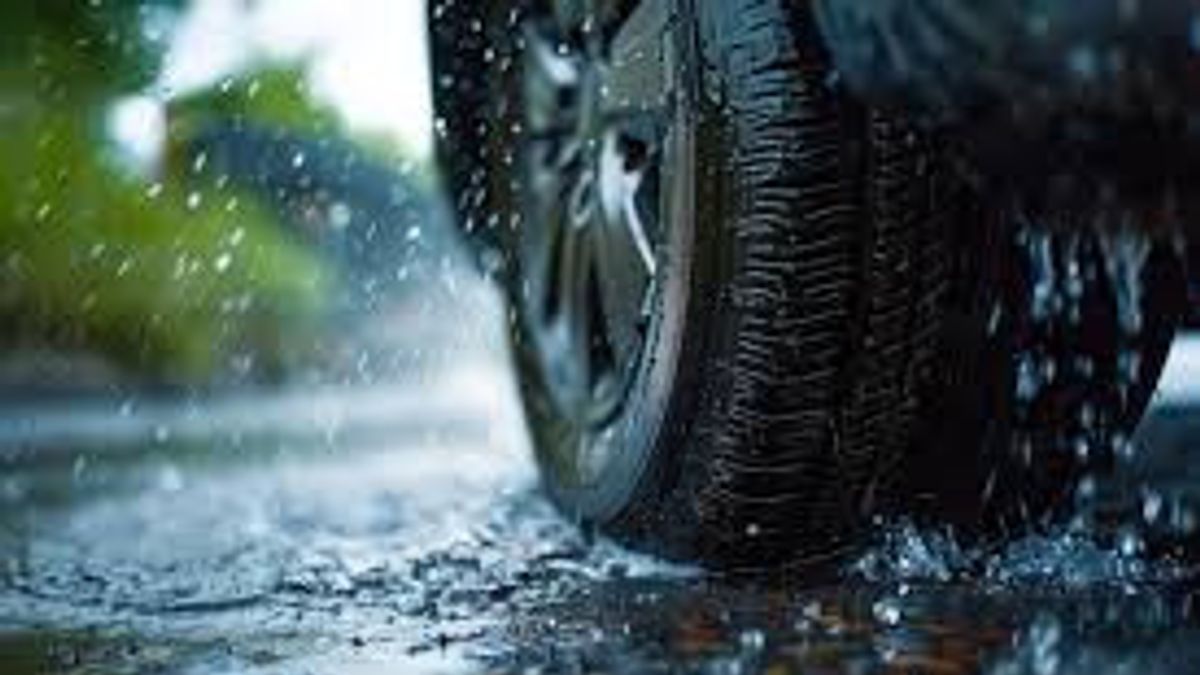


YOGYAKARTA - The rainy season is often a challenge for car drivers. Wet and slippery roads increase the risk of slipping and extending the braking distance. Therefore, vehicle readiness, especially tire conditions, is very important to pay attention to.
Tires are the only components of a car that directly contact the asphalt. Ideal tire pressure can reduce the grip and stability of the vehicle. Understanding the ideal tire pressure during the rainy season can help drivers drive more safely and comfortably.
Tire Air Pressure and Its Influence During Rainy SeasonWhen entering the rainy season, it is important to pay attention to the tire pressure of the car. Quoted from Astra Otoshop, tires with too low pressure make the tire surface easier to hold water. As a result, the risk of aquaplaning or tires floating on the water becomes greater.
On the other hand, tires with too much pressure actually reduce the tire contact area with the road surface. This condition causes the tire grip to decrease so that the car is easier to slip. This situation is very dangerous when turning or making sudden braking on a wet road.
Tire pressure also greatly affects the ability of the tire to drain water. Tires with the right pressure are able to keep traction optimal. With good traction, the car can drive more stably on slippery road surfaces.
Optimal traction plays an important role in maintaining vehicle control. This is very needed when the car passes through puddles or roads with high rainfall. Ideal tire pressure helps drivers stay confident while driving.
In addition to safety aspects, tire air pressure also has an impact on fuel consumption. Tires with low pressure make the engine work harder. As a result, fuel consumption becomes more wasteful than normal conditions.
Conversely, the right tire pressure helps the car run more efficiently. The vehicle becomes more stable and responsive when controlled. This is very important in the rainy season which requires consistent wheel performance.
Ideal Tire Air Pressure for Cars During Rainy SeasonEach vehicle has different tire pressure standards. These standards are influenced by the weight of the vehicle, tire size, and suspension characteristics. Following the manufacturer's recommendations is the safest way, especially in the rainy season.
For MPV and SUV types of vehicles, tire pressure is generally in the range of 32-35 psi. Cars with a large weight require higher pressure so that the tires can support the load. The right pressure helps maintain stability during rain.
On city cars and sedans, tire pressure usually ranges from 30-32 psi. The lighter weight of the vehicle makes the pressure not need to be too high. The ideal pressure ensures the steering remains responsive on slippery roads.
Electric cars have different tire pressure requirements. The large battery weight makes the ideal pressure in the range of 36-40 psi. This pressure helps maintain handling and energy efficiency in the rain.
Tire pressure also needs to be adjusted to the load and number of passengers. When carrying a full load, the pressure is usually increased by about 2-3 psi. This adjustment is important so that the tires remain safe and do not wear out quickly.
In addition, some cars have front and rear tire pressure differences. The front tire often requires higher pressure because it carries the load of the engine and steering. All of these recommendations should be adjusted to the manual or tire pressure sticker on the vehicle.
So that's the discussion of the ideal tire air pressure during the rainy season, follow other interesting articles at VOI.ID. So as not to miss the latest news, follow and monitor our social media accounts!
The English, Chinese, Japanese, Arabic, and French versions are automatically generated by the AI. So there may still be inaccuracies in translating, please always see Indonesian as our main language. (system supported by DigitalSiber.id)


