
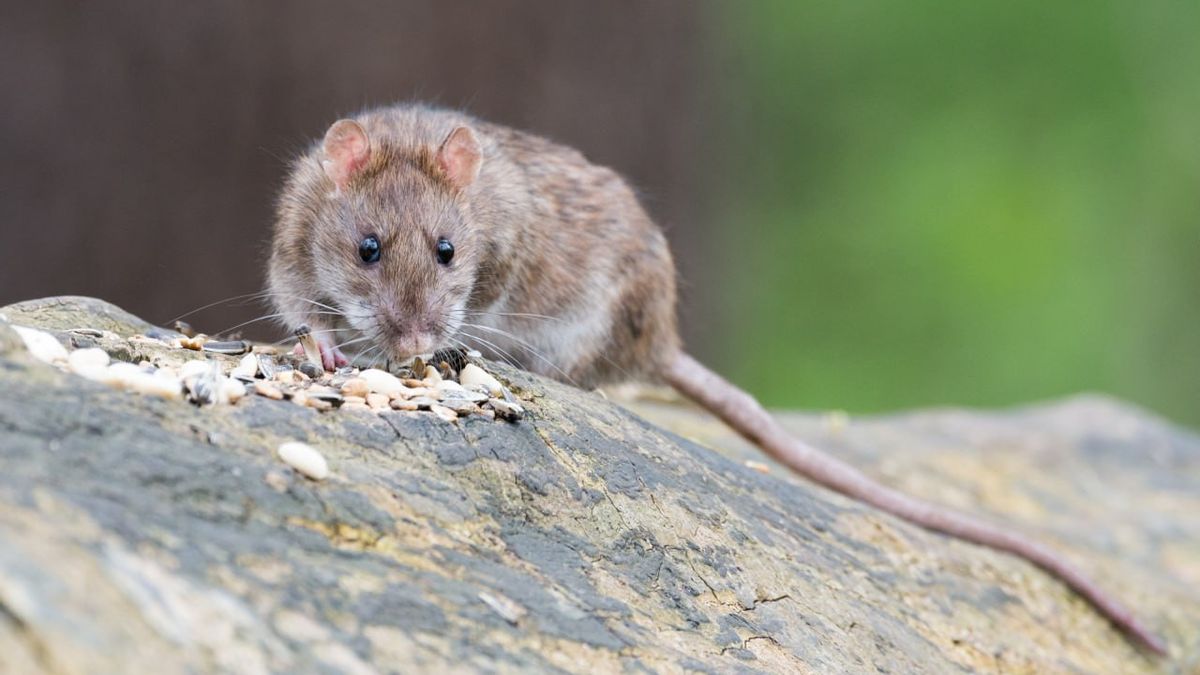


YOGYAKARTA - Hantavirus is once again the world's attention after WHO confirmed that the virus spread on the MV Hondius cruise ship sailing from Argentina. This virus comes from rodents and can be transmitted to humans through certain contacts.
Hantavirus is reported to have different variants depending on the region. Some attack the lungs, some are more dominant in attacking the kidneys and blood vessels. This article will help you understand what hantavirus is, its variants, and the preventive measures that can be taken to protect yourself and your family.
What is Hantavirus?Hantavirus is a group of viruses that belongs to the Hantaviridae family and naturally infects animals in rodents such as mice and is sometimes transmitted to humans. This virus does not cause disease in its host animals, but can cause serious infections when transmitted to humans. Transmission usually occurs through the air contaminated with urine, feces, or saliva of rodents.
In humans, hantaviruses can cause severe illness and often death. The type of disease due to hantavirus infection depends on the region. In America, this virus often causes Hantavirus Cardiopulmonary Syndrome (HCPS) which attacks the lungs and heart. Meanwhile, in Europe and Asia, hantavirus more often causes Hemorrhagic Fever with Renal Syndrome (HFRS) which attacks the kidneys and the vascular system.
Until now, there is no specific treatment that can cure hantavirus infection. Medical treatment focuses more on supportive care to increase life expectancy. Therefore, preventive measures are very important to avoid this virus.
8 Hantavirus VariantsQuoted from the YARSI University website, the Director of Postgraduate Studies at YARSI University who is also the Chairman of the Honorary Assembly of the Indonesian Pulmonary Doctors Association (PDPI) Prof. Tjandra Yoga Aditama said that there were at least eight variants of this Hantavirus, which have been reported in various countries.
Hantaan Virus (HTNV), which is widely found in Asia such as South Korea and China, and also Europe. Puumala Virus (PUUV), which is widely reported in European countries such as Finland, Germany, France and Russia. Seoul Virus (SEOV), has a fairly wide spread, from Asia to America. Dobrava-Belgrade Virus (DOBV), reported from Europe, including the Balkan and Eastern European regions. Sin Nombre Virus (SNV), reported from the United States and Canada. Bayou Virus (BAYV), reported from the Louisiana and Texas regions in the United States. Black Creek Canal Virus (BCCV), found in Florida, USA. Andes Virus (ANDV), from South America (Argentina, Chile) and now found in cases on cruise ships. Prevention of HantavirusPrevention of hantavirus largely depends on reducing contact with infected rodents. Reported from the WHO website, the following are some preventive measures that are very helpful in reducing the risk of transmission:
Maintaining the cleanliness of the house and workplace Closing the gaps that can be a path for rats to enter the building Storing food safely (so that rats cannot reach it) Cleaning the areas contaminated by rats in a safe way Not sweeping or sucking dust from rat feces in a dry condition Moisten the contaminated area first before cleaning Improve hand washing habits.That is the discussion of hantavirus, variants, and prevention. Maintaining environmental cleanliness, avoiding contact with rodents, and implementing a healthy lifestyle are important steps to prevent the transmission and spread of this virus.
In addition to the discussion above, follow other interesting articles at VOI.ID. So as not to miss the latest news, follow and monitor our social media accounts!
The English, Chinese, Japanese, Arabic, and French versions are automatically generated by the AI. So there may still be inaccuracies in translating, please always see Indonesian as our main language. (system supported by DigitalSiber.id)
Popular


