


YOGYAKARTA - The spread of the Bundibugyo virus (BBDV) is a global concern after the World Health Organization (WHO) designated it as a global health emergency (PHEIC). This strain can cause a deadly ebola disease (a type of dengue fever).
Until now, there is no vaccine or medicine that can prevent or treat BDBV. The treatment is only supportive to increase the chance of survival.
Therefore, it is important to know the bundibugyo that causes Ebola so that we can be aware of its spread.
Getting to know BundibugyoAccording to the WHO official website, Bundibugyo Virus is one of the species of the Orthoebolavirus genus that causes Bundibugyo Virus Disease (BVD), a severe and often fatal type of Ebola disease.
Bundibugyo is a zoonosis. Fruit bats are suspected to be the natural reservoir of this virus. Human infection first occurs through close contact with the blood or secretions of infected wildlife, such as bats or non-human primates.
How Bundibugyo is TransmittedAfter infecting humans, the virus spreads between people through:
Direct contact with blood, secretions, organs, or body fluids of the patient Contaminated objects Surface Unsafe burial practices (direct contact with the corpse)Transmission is very fast in health facilities if infection prevention and control (IPC) is inadequate. This virus is not transmitted through the air like the flu or through water.
Symptoms and Incubation Period of Bundibugyo VirusThe incubation period for Bundibugyo ranges from 2 to 21 days. A person is usually not contagious before symptoms appear.
Early symptoms are non-specific, so it is often difficult to distinguish from other febrile diseases such as malaria:
Fever Extreme fatigue Muscle pain Headache Sore throatSymptoms can then progress to vomiting, diarrhea, organ dysfunction, and bleeding (in severe cases).
Bundibugyo Mortality RateAccording to historical records, the fatality rate of Bundibugyo cases ranges from 30-50 percent. This figure is lower than the Zaire ebolavirus strain which can reach 70-90 percent. However, because there is no approved vaccine or specific therapy, this disease remains a serious threat.
Prevention and Control of Bundibugyo VirusCurrently, there is no specific vaccine or treatment for Bundibugyo. Therefore, the control of the outbreak depends heavily on:
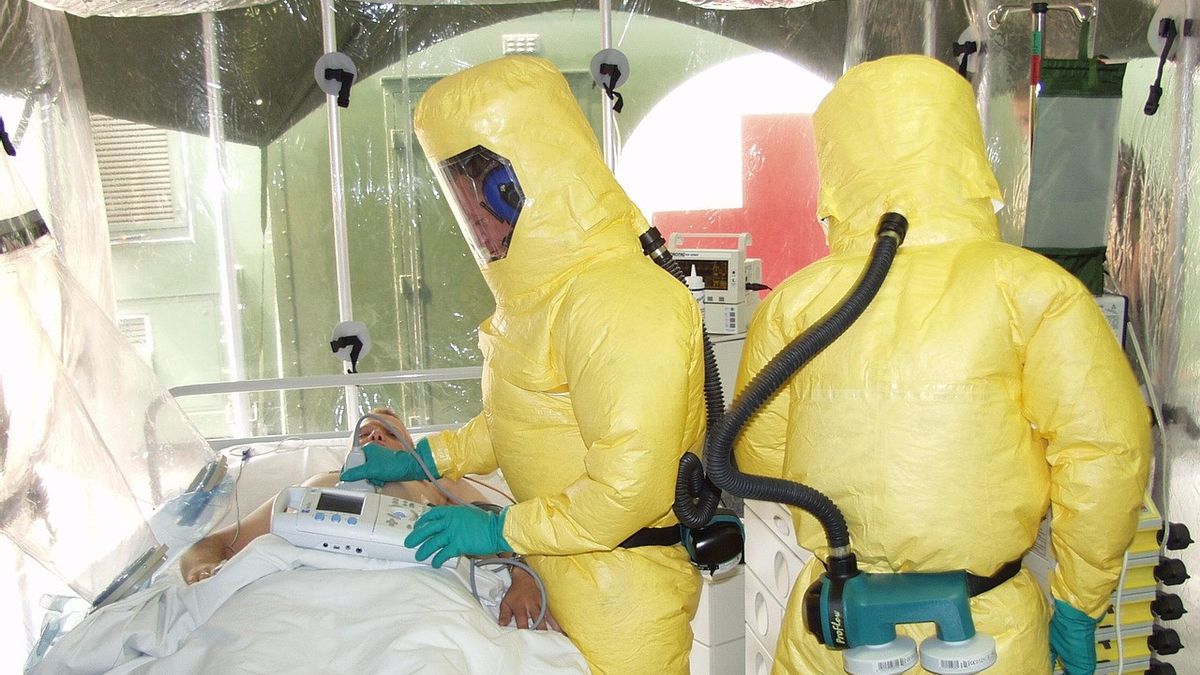
Early detection and isolation of patients. Close contact tracing. Safe funerals. Strict use of Personal Protective Equipment (PPE) by health workers. Active community involvement.A definitive diagnosis can only be made through laboratory examination (PCR or antigen/antibody test).
That's the explanation about the Bundibugyo virus that causes Ebola disease. Hopefully the information above can make readers more familiar with Bundibugyo. You can get other interesting news updates by visiting the VOI.id page.
The English, Chinese, Japanese, Arabic, and French versions are automatically generated by the AI. So there may still be inaccuracies in translating, please always see Indonesian as our main language. (system supported by DigitalSiber.id)


