
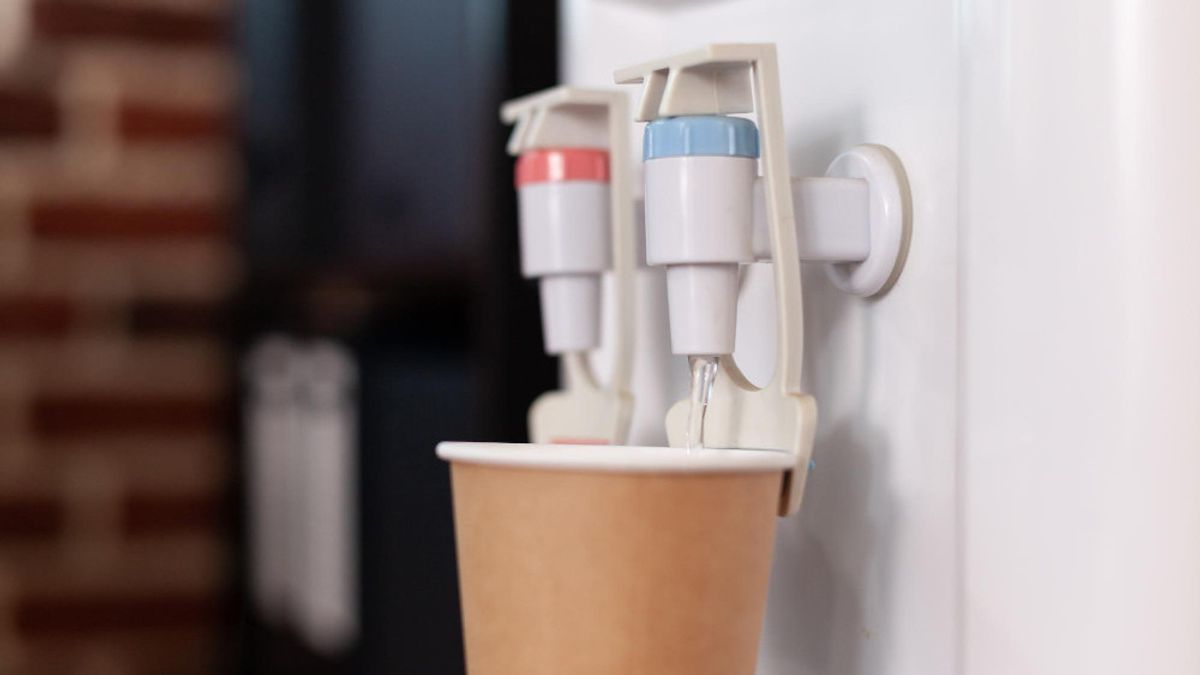


YOGYAKARTA - Family health is very dependent on the cleanliness of everyday household equipment. You have to be alert to the characteristics of the dispenser overgrown with bacteria that often appear without being noticed by many people today.
Drinking water safety is a top priority to prevent various dangerous diseases. Immediately do a routine check on your device so that germs do not multiply and contaminate your daily fluid intake.
Is the Dispenser Safer than Tap Water?Many people turn to dispensers because they are considered more practical and hygienic than tap water. However, recent research in the journal AIMS Microbiology reveals a fact that is quite surprising for all of us.
Research results show that dispenser machines are often a microbial nest equivalent to tap water. This happens because of the lack of routine maintenance on the filtration system and water storage tanks.
Characteristics of a Dispenser with Bacteria GrowthDisclosed from the News-Medical website, here are some of the characteristics of your dispenser that are overgrown with harmful bacteria:
Biofilm Emergence and Water Physical ChangesOne of the main signs of a problem is the appearance of biofilm inside the machine. Biofilm is a collection of microbial communities that stick to the pipe wall and continue to release bacteria into the water.
You can see a thin layer of mucus if you check the inside of the dispenser faucet. In addition, the water that comes out may look a little cloudy or contain fine particles that float at the bottom of the glass.
Unusual Aroma and TasteNever ignore changes in the taste of your drinking water. If the water tastes bitter or has a musty smell like dirt, it is a very real sign of a dispenser overgrown with bacteria.
Read also: Back Pain as a Symptom of Kidney Cancer? Here's the Explanation from the Doctor
In fact, the human sense of taste is very sensitive to contamination by foreign substances or waste products of microorganisms. Bacteria such as Pseudomonas aeruginosa are often the main cause behind the change in the quality of the taste of the water.
Black Spots and Crusts on DevicesCheck the hole area where the gallon is installed periodically. The presence of black spots or mold around the damp area indicates that the sanitation of your device is very bad and dangerous.
The pile of minerals mixed with external dirt can form a thick white crust. This dirty environment makes it easy for Coliform bacteria to multiply very quickly in the machine.
Health Risks for UsersBacterial contamination in drinking water is not a trivial matter for human health. Children, the elderly, and people with weak immune systems are very susceptible to gastrointestinal infections or chronic digestive disorders.
Some types of bacteria can even trigger more serious diseases such as septicemia or skin infections. Make sure you don't drink water from a machine that has shown signs of being unhealthy.
Care Tips to Prevent BacteriaAdvanced filtration technology alone is not enough without consistent maintenance. You are advised to clean the dispenser unit independently at least once a month using a safe disinfectant liquid.
Use natural ingredients such as vinegar or lemon to remove the biofilm that sticks firmly. Make sure all parts of the pipe are supplied with clean water before you reinstall the new gallon for consumption.
Maintaining the cleanliness of sanitation devices is a real step in protecting loved ones. Be sure to always regularly drain the water tank at least once a month for safety.
By recognizing the characteristics of the dispenser overgrown with bacteria, you can act faster before your digestive health is disturbed by bad germs. For the latest information on health tips and other healthy lifestyles, please explore various interesting articles on the VOI main page.
The English, Chinese, Japanese, Arabic, and French versions are automatically generated by the AI. So there may still be inaccuracies in translating, please always see Indonesian as our main language. (system supported by DigitalSiber.id)
Most Popular Tags
#Prabowo Subianto #donald trump #firearm #8791 #giias 2026Popular


