


YOGYAKARTA - The moment of breaking the fast is often used as an opportunity for 'revenge' by eating various types of food, even in large portions at once.
After fasting and thirst all day, the desire to enjoy various dishes is indeed very strong. From fried snacks, sweet drinks, to heavy food with cream, everything wants to be eaten after the adzan rings.
In fact, this habit can increase blood sugar and fat levels, which can have a negative impact on heart health. So, how are safe fasting tips for the heart? To find out, read the complete information in the review below.
Tips for Safe Fasting for the HeartSummarized from various sources, here are some tips for breaking the fast so that the heart remains healthy during Ramadan:
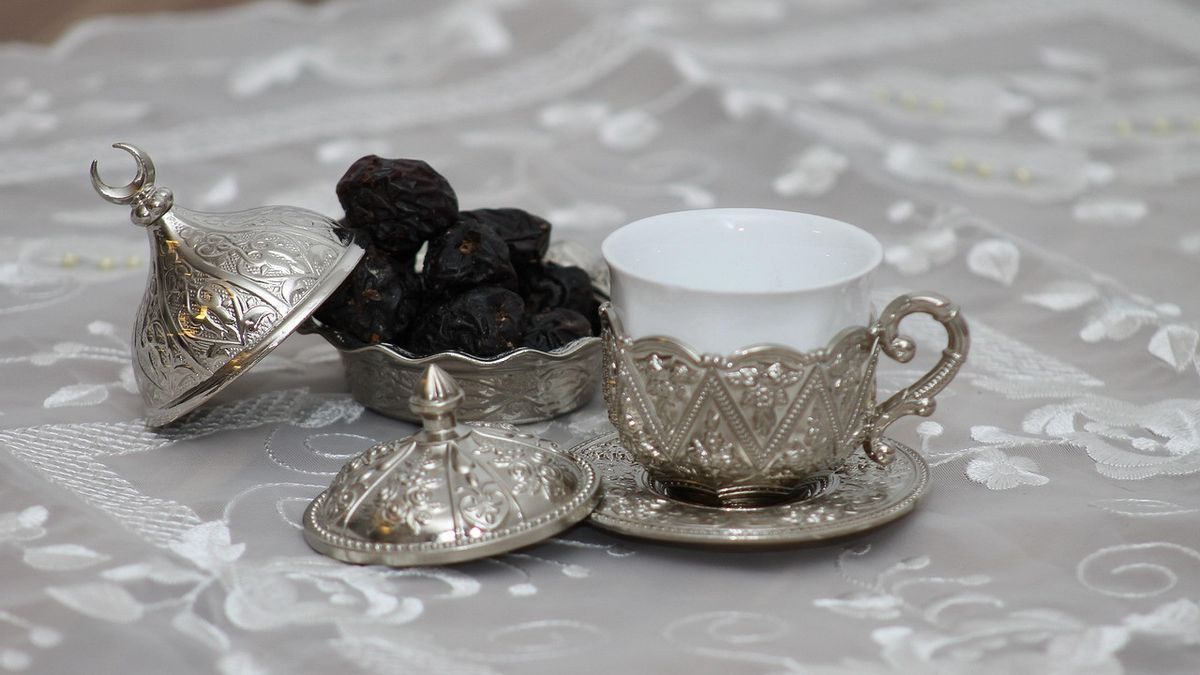
Start with a small portion.After 13 hours or more without eating and drinking, the body needs adaptation. For this, start breaking the fast with a small portion, such as drinking water and eating one to three dates.
Avoid eating large amounts of heavy food, because it can trigger a spike in blood sugar and make the heart work harder.
Avoid eating fried foods.Gorengan memam is one of the most tempting takjil menus, but the saturated fat and trans fat content in it can increase bad cholesterol levels (LDL).
If consumed in excess, the risk of blood vessel blockage also increases. It is best to choose foods that are boiled, steamed, or baked to maintain heart health.
Pay Attention to Portion SizeAfter fasting all day, appetite tends to increase. However, eating in large portions at once can make the heart work harder because blood flow is focused on the digestive system. Eat gradually, starting with a light takjil, take a break for prayer, then continue with the main meal as needed.
Choose Complex CarbohydratesComplex carbohydrates such as red rice, boiled potatoes, or whole wheat bread are better than simple carbohydrates. This type is digested more slowly so it helps keep blood sugar levels stable and reduce the risk of insulin spikes that burden the heart.
Consume High Protein and Fiber FoodsLean proteins such as fish, skinless chicken, tofu, and tempeh are very good for the body. Add green vegetables and fruit as a source of fiber. This combination helps keep cholesterol levels stable and supports vascular health.
Avoid Foods with Cream and High Salt ContentFood with cream and high salt can trigger an increase in blood pressure. If blood pressure is not controlled, the risk of heart disease also increases. Use coconut milk as needed and limit the use of salt in fasting dishes.
Meet the Fluid NeedsDehydration can affect blood viscosity and make the heart work harder. Drink water gradually from breaking the fast to dawn. Avoid excessive caffeinated drinks because they can trigger an increase in heart rate.
This is information about tips for safe fasting for the heart. get other interesting news updates by visiting the VOI.id page.
The English, Chinese, Japanese, Arabic, and French versions are automatically generated by the AI. So there may still be inaccuracies in translating, please always see Indonesian as our main language. (system supported by DigitalSiber.id)


