

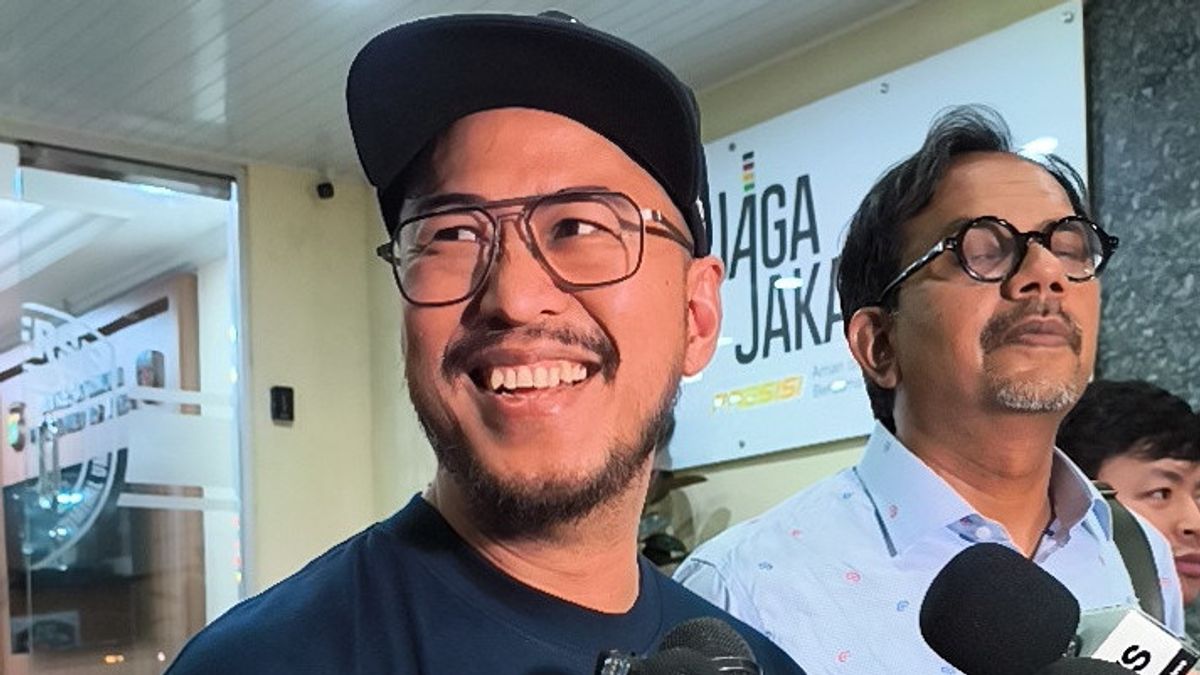


JAKARTA - Senior comedian Pandji Pragiwaksono officially underwent an adat trial at Tongkonan Layuk Kaero, Sangalla, Toraja, on Tuesday, February 10, 2026.
This step was taken as a form of accountability for the cut in the material of the stand-up comedy in the "Mesakke Bangsaku" show in 2013 which was considered to offend the traditional order of the local community's ancestors.
Even though the material is 13 years old, the viral re-posting of the video clip has caused deep wounds to the dignity and collective beliefs of the Toraja indigenous people.
The Alliance of Indigenous Peoples of Nusantara (AMAN) also intervened to facilitate a large meeting involving representatives from 32 indigenous regions.
In the customary trial entitled Ma'Buak Burun Mangkali Oto', the customary judge decided that Pandji was not fined in the form of money.
Instead, he was required to undergo a recovery ritual by handing over one pig and five chickens.
The Secretary of the Kada Tongkonan, Daud Pangarungan, explained that the sanctions were a symbol to reweave the relationship that had been cracked.
"Toraya customary law talks about recovery. What is applied is not a fine, but a recovery tool to improve the relationship between humans with their fellow humans, nature, and ancestors," said Daud.
Responding to the verdict, Pandji Pragiwaksono expressed his attitude. The 46-year-old comedian sees the procession not as a form of punishment, but as a valuable life lesson.
"I feel very honored to be part of this beautiful and noble procession of restoring harmony. I heard and accepted the statement of the representative of the indigenous region. Hopefully this will help me become a better person," said Pandji in his official statement, Wednesday, February 11.
Chairman of the AMAN Toraya Regional Daily Board, Romba Marannu Sombolinggi, emphasized that this process is a tangible form of restorative justice. According to him, this settlement does not seek who wins or loses, but focuses on the return of social harmony.
In line with this, Pandji's lawyer, Haris Azhar, who was also present at the location, admitted to being impressed by the firmness but the gentleness of customary law in resolving conflicts.
"This shows the strength of the indigenous people in solving their own problems. A process like this can be a reference for other regions when dealing with similar issues," said Haris.
The customary ritual of recovery is scheduled to take place the next day as a sign that this controversy has been resolved in a family and dignified manner.
The English, Chinese, Japanese, Arabic, and French versions are automatically generated by the AI. So there may still be inaccuracies in translating, please always see Indonesian as our main language. (system supported by DigitalSiber.id)
Most Popular Tags
#Prabowo Subianto #donald trump #Febrie Adriansyah #8791 #giias 2026Popular


