
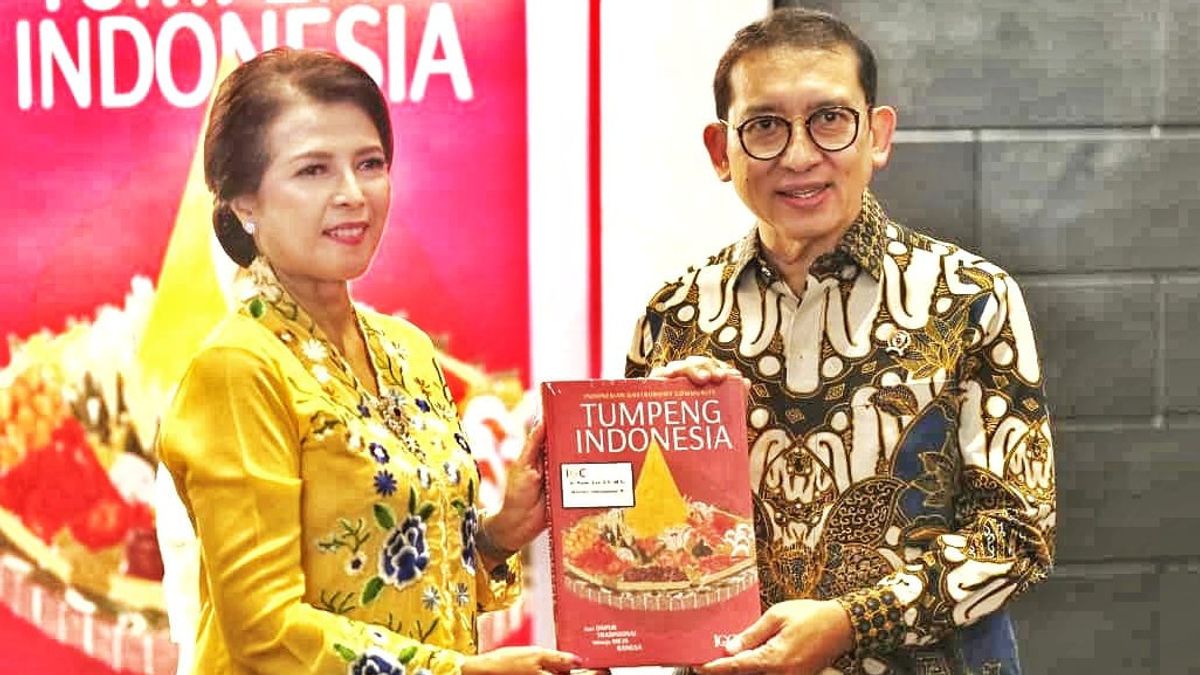


JAKARTA - For tourists visiting Indonesia, tumpeng may look like an aesthetically pleasing cone-shaped serving of yellow rice. However, behind its appearance, tumpeng is a living tradition - a tradition that is alive and carries a deep narrative about the history and spirituality of the archipelago.
In the launch of the book Tumpeng Indonesia: From Traditional Kitchen to the National Table in Jakarta (15/1), Minister of Culture Fadli Zon emphasized that tumpeng is not just food, but a symbol of cultural identity that unites the nation.
Traces of History that Cross Time
The attraction of tumpeng for lovers of cultural tourism lies in its evolution. This tradition has existed since the Hindu-Buddhist era, then adapted harmoniously when Islam entered the archipelago through the role of the Wali. Its ability to survive and remain relevant to this day makes tumpeng one of the strongest cultural identities in every ceremony in Indonesian society.
Deep Symbolism
Tumpeng is not only about taste, but also about meaning. Each element reflects noble values:
Symbol of Gratitude: Its conical shape represents the relationship of humans with the Creator.
Togetherness: This dish is designed to be enjoyed together, symbolizing togetherness and well-being.
Ecological Value: The materials used reflect the richness of local agricultural products, making it a sustainable gastronomic icon.
Towards the World Gastronomy Stage
The government is now encouraging tumpeng as a cultural diplomacy instrument. With more than 2,700 Intangible Cultural Heritage (WBTb) that have been established until 2025 - of which 20 percent are culinary - tumpeng is ready to become an "entrance" for foreign tourists to get to know Indonesia more deeply.
Through literacy such as this book compiled by the Indonesia Gastronomy Community (IGC), tumpeng is expected not only to pamper the tongue, but also to be a cultural ambassador who introduces Indonesian philosophical values to the global arena.
The English, Chinese, Japanese, Arabic, and French versions are automatically generated by the AI. So there may still be inaccuracies in translating, please always see Indonesian as our main language. (system supported by DigitalSiber.id)


