
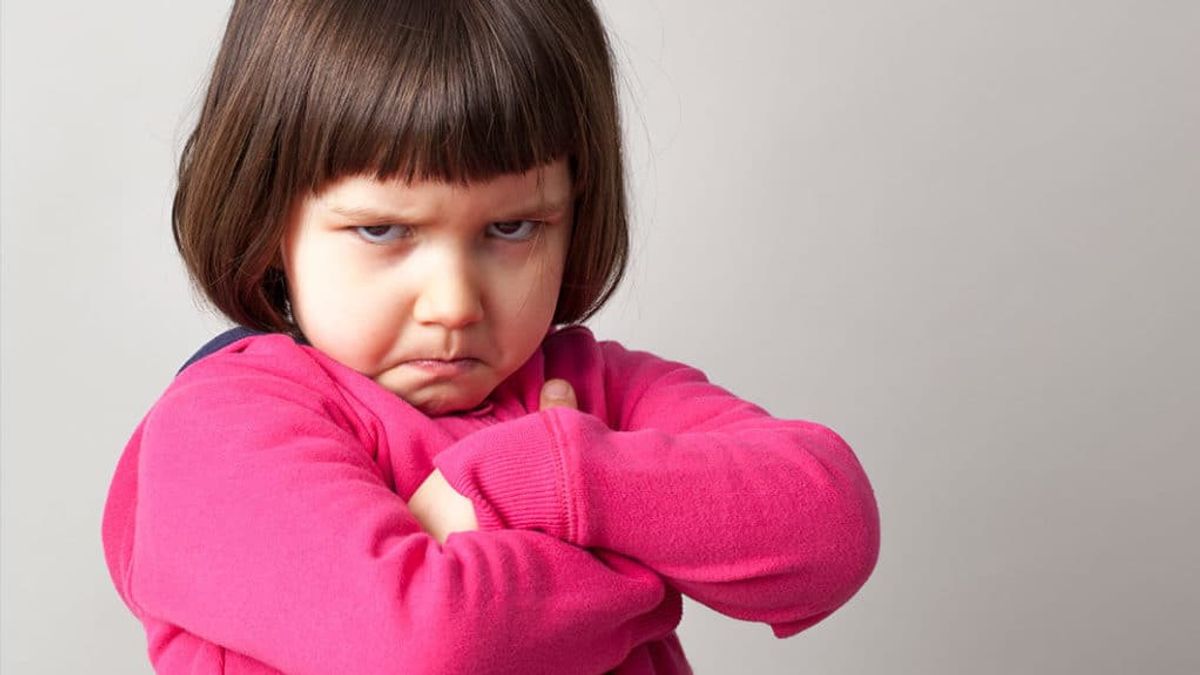


YOGYAKARTA - Children are creatures full of energy and emotions. However, sometimes children become very irritable, even in unexpected situations. This certainly makes parents or caregivers feel confused and worried.
So, what are the causes of children being easily angry? This article will discuss various factors that can affect children's emotions and how to deal with them.
Causes of Children Being Easily Angry Changes in RoutineChildren are very dependent on a stable routine, especially in early childhood. Sudden changes in their routines, such as moving house, changes to school schedules, or changes to eating patterns, can make children feel anxious and depressed. When children feel they have no control over the situation they are facing, they may exhibit angry behavior as a way of expressing their discomfort.
Lack of SleepGetting enough sleep is a basic need for children to grow and develop well. Lack of sleep or disturbed sleep can affect a child's mood and make them more irritable. When a child doesn't get enough sleep, they will feel tired and overwhelmed, which can trigger angry emotions. The cause of children being easily angry can also occur because their bodies do not get enough rest to recover.
Unmet NeedsChildren may feel frustrated and angry when their basic needs are not met, such as hunger, thirst, or the desire to play. When children are unable to express their needs verbally, they will use angry expressions as a form of communication. Ignoring or being late in responding to their needs can worsen the situation and increase the intensity of the child's anger.
Social Environment InfluenceUnhealthy social interactions or negative experiences outside the home, such as at school or in the playground, can affect a child's emotional state. Unsupportive friends, bullying, or difficulties in socializing can cause a child to feel anxious, depressed, and eventually angry. One of the causes of children being irritable is their inability to cope with these social problems well.
Emotional Changes and DevelopmentChildren are in a stage of rapid emotional development. As they grow older, they learn to manage and express their feelings. However, limitations in this ability to manage emotions often make children more irritable. When children feel upset or frustrated because they can't express their feelings, anger can be a way for them to get attention or find a solution.
The Influence of Parental Care PatternsThe way parents or caregivers treat a child can affect their emotional reactions. Inconsistent parenting, such as giving unfair attention or letting bad behavior go without clear consequences, can make a child feel confused and angry. Children who feel unappreciated or unheard are more likely to show anger as a response to the injustice they feel.
Physical Health ConditionSome physical health problems, such as headaches, stomach, or other diseases, can cause discomfort, which in turn makes children irritable. Physical pain or discomfort can affect a child's mood and make it difficult for them to control their emotions.
Stress and AnxietyChildren can also experience stress and anxiety caused by internal or external factors. Stress related to school, social pressure, or family problems can make children more irritable and angry. In this situation, they may have difficulty regulating their feelings because they have not fully understood effective ways to deal with them.
Mental FatigueIn addition to lack of sleep, mental fatigue can also be a factor in children being easily angry. Children who are forced to constantly be active without having time to relax or enjoy their free time can feel depressed. Excessive activity at school, in extracurricular activities, or at home can cause them to feel exhausted and frustrated, which then spills over into anger.
How to Deal with a Child Who is Easily AngryAs a parent or caregiver, it's important to understand the causes of a child's irritability and help them learn to manage their emotions. Here are some ways to do it:
Give them enough rest: Make sure your child gets enough sleep and free time to reduce stress and fatigue. Good communication: Teach your child to talk about their feelings and give them the opportunity to express themselves in a positive way. Set a consistent routine: Creating a regular routine can give your child a sense of security and reduce anxiety. Positive attention: Give praise and attention when your child shows positive behavior, so that they feel valued and heard.The causes of children being easily angry can vary greatly, ranging from physical, emotional, social factors to the environment. By understanding these factors, parents can take the right steps to help children manage their emotions in a healthy and constructive way. Educating children to recognize and manage their emotions in a positive way is the key to reducing excessive anger. In addition, also recognize the 7 Causes of Behavioral Problems in Children that Parents Need to Know.
So after knowing the causes of children being easily angry, see other interesting news at VOI.ID, it's time to revolutionize the news!
The English, Chinese, Japanese, Arabic, and French versions are automatically generated by the AI. So there may still be inaccuracies in translating, please always see Indonesian as our main language. (system supported by DigitalSiber.id)
Most Popular Tags
#Prabowo Subianto #donald trump #2026 World Cup #venezuela #konflik timur tengahPopular


