


YOGYAKARTA - The properties of light are one of the important materials in physics that are closely related to daily life. Light allows humans to see objects around them and understand the shape and color of objects. Without light, visual activities cannot be carried out.
The properties of light are also the basis of various modern technologies, ranging from optical instruments, cameras, to communication devices. Therefore, it is important to understand the properties of light. The following will discuss what light is and its properties.
What is Light?Quoted from Andor Oxford Instrument, light or visible light generally refers to electromagnetic radiation that can be captured by the human eye. Visible light is a small part of the very broad electromagnetic spectrum. The visible light range is between 400 nanometers to 700 nanometers.
Light travels in the form of electromagnetic waves and can also be understood as a flow of particles called photons. A photon is the smallest amount of energy. This concept is the basis of the birth of quantum theory.
Electromagnetic radiation travels at the speed of light. The speed of light in a vacuum is 300,000 kilometers per second. Nothing is faster than light.
Properties of LightThe properties of light explain how light behaves when it propagates and interacts with objects around it. Quoted from Byjus.com, here are some of the properties of light that you need to know.
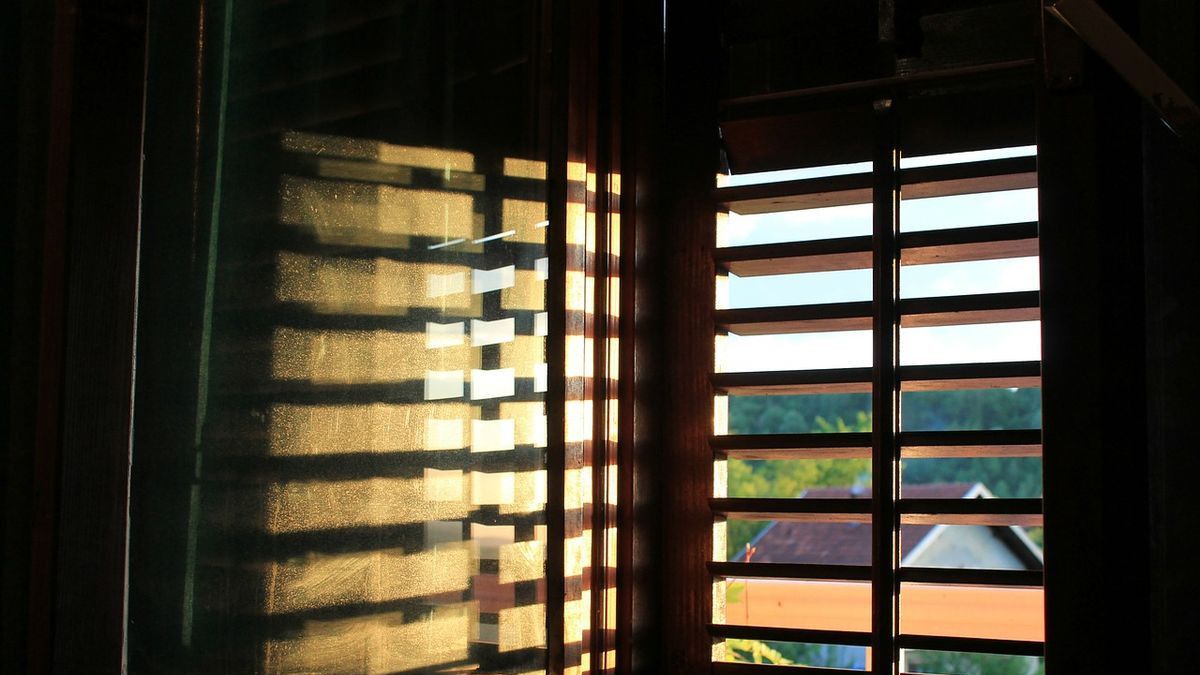
Light Propagates in a Straight Line.One of the properties of light is that it propagates in a straight line. This can be observed when light passes through a narrow slit. The shadow formed shows the direction of straight propagation of light.
Nothing is Faster than the Speed of LightThe speed of light is much faster than the speed of sound. Light travels at a speed of about 3 × 10⁸ meters per second.
Light Can Be ReflectedReflection of light is a property of light that is often encountered. Reflection occurs when light strikes a surface of an object. This event follows the law of reflection of light.
In the law of reflection, the angle of incidence is equal to the angle of reflection. Moreover, the incident ray, the reflected ray, and the normal line lie in the same plane. Examples of reflection can be seen in a mirror.
Light Can Be DiffractedRefraction is a phenomenon in which there is a change in the speed of light as it travels from one medium to another and a bending of light rays occurs. Refraction is often seen in a pencil in water that appears bent.
Light Can Be Decomposed or DispersedLight dispersion is the separation of white light into various colors. This event occurs due to the wavelength difference of each color. The rainbow is a natural example of light dispersion.
Light Can Experience DiffractionDiffraction of light is the bending of light when passing through a narrow gap or the edge of a barrier. For example, light in the direction of a barrier that has a gap in the form of small holes, then the light will enter the holes.
Light Can Experience PolarizationLight polarization is a property of light that relates to the direction of its vibration. Ordinary light vibrates in all directions. If its vibration is restricted to one plane, the light is said to be polarized.
Light Interferes with ItselfInterference is a phenomenon of change in light intensity due to the redistribution of light energy in the superposition region of two or more light waves. This phenomenon is often used in optical experiments.
Thus the discussion of the properties of light. By understanding the properties of light, we can better understand nature and light-based technologies in everyday life.
In addition to discussing the properties of light, follow other interesting articles at VOI.ID. So as not to miss the latest news, follow and monitor our social media accounts!
The English, Chinese, Japanese, Arabic, and French versions are automatically generated by the AI. So there may still be inaccuracies in translating, please always see Indonesian as our main language. (system supported by DigitalSiber.id)


