
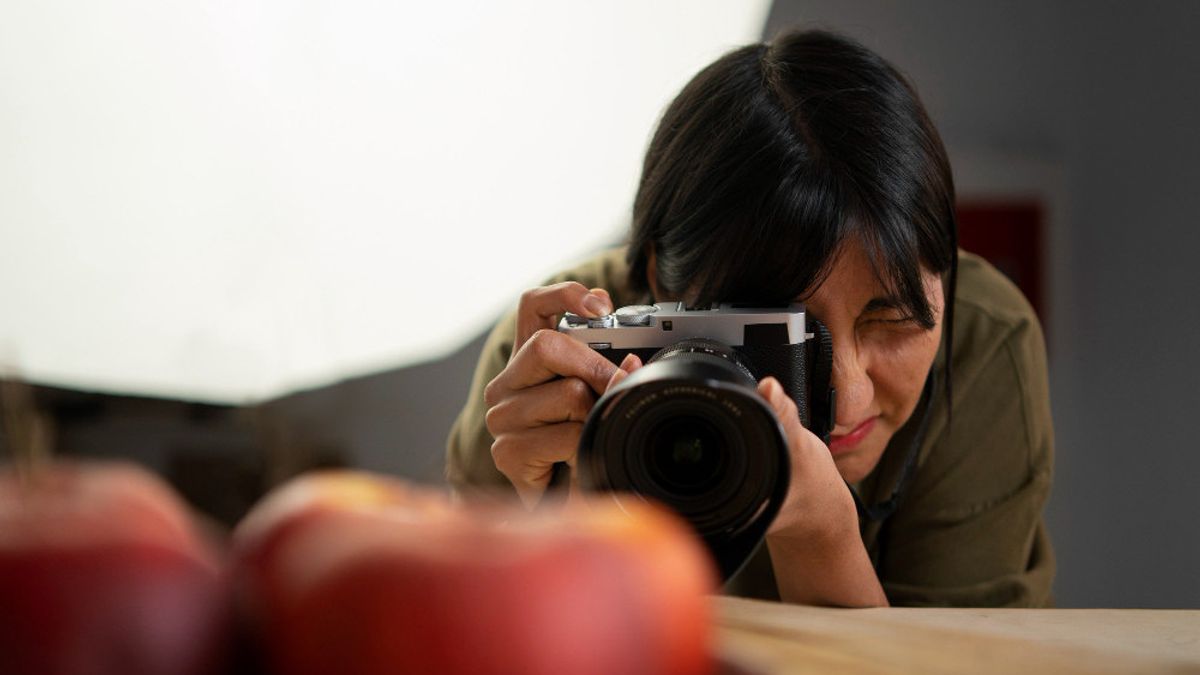


YOGYAKARTA - The biggest mistake of novice photographers is the origin of the snap without considering the angle of shooting. In fact, the right photography angle can turn ordinary photos into stunning visual works and stories.
Imagine two photos of the same object, but one looks flat and boring, the other is dramatic and attracts attention. The difference lies in the selection of angles used when shooting.
The photography angle is the camera's point of view when taking pictures of the subject. The right selection of angles is able to change visual perceptions, create certain emotions, and convey strong stories.
Angles are not just technical, but creative tools to make the subject look dramatic, natural, or even scary depending on the needs of your photo composition.
Also Read the article that discusses Want To Save? Here Are Examples Of Prompt AI Pre-Wedding Photos, Making Auto-Aesthetic Photos
Reporting from the learntoflourish page, here are several types of photography angles that novice photographers need to know:
The most natural angle is because the camera is aligned with the subject's eye. Suitable for portraits, product photos, and documentation as it provides a neutral perspective without distortion. The subject looks as it is, creating a direct connection with the viewer.
The camera is positioned higher than the subject and leads downwards. This angle makes the subject look smaller, weaker, or vulnerable. These tips are perfect for photos of food, flat layer products, or create dramatic impressions in portraits.
Its extreme variation is an aerial shot or bird's eye view taken from heights to display a broad location context.
SEE ALSO:



In contrast to the high angle, the camera is placed low approaching the ground and pointing upwards. This technique makes the subject look bigger, stronger, and dominant. Ideals for architecture, dramatic portraits, or photos of children to look heroic. Its extreme variations are called wormhole's eye views.
The camera is screened so that the horizon is not horizontal. Creating visual tensions and dynamic or unstable impressions. Often used in creative photography, action shots, or for innovative artistic effects.
The camera is positioned behind the subject when facing objects or other people. Featuring interactions and reactions between subjects, creating depth and the context of the story. Suitable for candid photos, storytelling, and documentation of interaction moments.
The camera takes the perspective of the subject's eyes, as if the viewer sees directly from the person's point of view. This stylistic technique creates emotional engagement and strong dramatic effects.
The easiest way is to adjust the angle to the mood and character of the subject you want to display. For a professional portrait, use an eye level or a little high angle.
Then fashion products need a low angle to look luxurious, while food is more attractive with a high angle of 45 degrees. Don't hesitate to experiment with various angles before deciding the best shot.
In addition, pay attention to the background and composition so as not to interfere with the main focus. Exercises consistent with different subjects will hone the instincts of choosing the right angle.
Mastering photography angles is the key to producing professional quality photos. Each angle has its unique function and characteristics to convey different visual messages. Start practicing these various angle techniques in your next photo session and feel the difference!
In addition to discussing photography angles, follow other interesting articles on VOI, to get updated news, don't forget to follow and monitor all of our social media accounts!
The English, Chinese, Japanese, Arabic, and French versions are automatically generated by the AI. So there may still be inaccuracies in translating, please always see Indonesian as our main language. (system supported by DigitalSiber.id)
Most Popular Tags
#Prabowo Subianto #donald trump #2026 World Cup #venezuela #Bhayangkara hut #konflik timur tengahPopular


