


YOGYAKARTA Referring to the report of the National Nutrition Agency (BGN), the number of beneficiaries of the Free Nutrition Food (MBG) program who were poisoned from January to September reached 5,914 people. The high number of MBG poisoning is caused by various factors, one of which is the beneficiary of eating stale food. To avoid similar incidents, experts suggest that program recipients know signs of basic food or are not suitable for consumption.
So, what are the signs or characteristics of stale foods that must be observed? To find out, see the explanation below.
Compiled from various sources, here are signs of recognizable staple foods:
The most easily recognized signs of stale food are changes in aroma and taste. Foods that are stale often emit an unpleasant odor, a pungent sour aroma, and a langu or sickle.
This aroma change is caused by the growth of decomposed bacteria, such as the Bacillus cereus which is often found in rice, which produces organic acid when breaking the star, thus emitting a kecut aroma.
In dairyd vegetables, bacteria that termination foods can break vegetable carbohydrates into acid, and change the taste.
Based on research published in the Journal of Foods (2022), volatile compounds produced by microbial metabolism can lead to odors and unpleasant tastes.
Changes in the texture of foods are also signs of recognized staple food. For example, pulen rice can turn dry, moisturize, even moisturized when it is stale. In kasu turquoise, the first clear sauce will turn thick or foamy. While side dishes generally experience broken coconut milk, which is separate oil and can be seen floating on the surface.
This texture change is caused by various factors, ranging from microbial activity, natural food enzymes that are still active even though they have been cooked, to improper storage temperatures.
Another sign of stale food is the change in color in food. For example, stale vegetables will usually turn cloudy. Sunny chicken soup can change gray, and milky seas can see dull chocolate.
Based on research published in the International Journal of Food Silence & Techonology in 2024, stale foods can change color due to fat oxidation, the breakdown of natural food pigments, and the growth of bacteria.
Adapted from the WebMD page, the mushrooms on the food are the clearest sign that the food is stale and unfit for consumption.
As for the characteristics of moldy food, there are colored spots (such as white, black, or red) on the surface of the food, the food texture turns soft and moisturized, and emits an unpleasant odor.
BACA JUGA:
-
 | LIFESTYLE
Budaya Kerja Sehat yang Bikin Karyawan Betah dan Semakin Produktif
28 Agustus 2025, 19:35

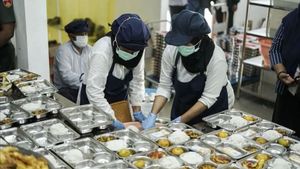

If you find signs of stale food in the MBG menu received, you should not be consumed so you don't get poisoned. Next, report the findings to the teacher or school so that they can be forwarded to the National Nutrition Agency and the related Nutrition Fulfillment Service Unit (SPPG).
That's information about signs of stale food. Get news updates of other options only on VOI.ID.
The English, Chinese, Japanese, Arabic, and French versions are automatically generated by the AI. So there may still be inaccuracies in translating, please always see Indonesian as our main language. (system supported by DigitalSiber.id)
Popular


