



YOGYAKARTA - In the animal world, there are various ways to breed. One of the unique methods is animals that reproduce by dividing away.
This process is known as binary division or self-reflection, which is common in unicellular organisms, but some multicellular animals also use it for reproduction. In this article, we will discuss more deeply about the process of self-reflection, the type of animal that uses it, and its advantages.
Getting To Know Self-Defense
Self-defense is one of the ways of asexual reproduction that occurs when one organism divides itself into two genetically identical individuals. This process does not involve gametes (cells of eggs or sperm) and does not require a partner to reproduce. In self-propagating, the cells or body of the organism will be divided into two parts, each of which can develop into new individuals.
This method is often found in organisms that have simple body structures, such as bacteria, protozoa, and some types of small animals. Self-decay allows animals to reproduce quickly and efficiently without relying on external environments or partners.
SEE ALSO:
-
 | LIFESTYLE
Menbud Fadli Zon Sebut Miss Tionghoa Indonesia Bukti Luhur Akulturasi Budaya
05 Oktober 2025, 20:45

The Process Of Self-Defense In Animals
In animals that reproduce by dividing, the process of division occurs through several main stages:
Some examples of animals that breed by dividing themselves include:
Bacteria are examples of animals proliferating by splitting the most common. They reproduce by means of binary division. When bacteria reach a certain size, they will divide into two identical child cells. This process allows bacteria to reproduce very rapidly and can cause their population to increase rapidly in a short time.
Protozoa is a unicellular microorganism that is often found in water environments. Most of the protozoa, such as Amoeba and Parame kiss, reproduce in a way of self-reflection. Protozoa divides through a process called mitosis, in which the core of the cell is split and the cell is then split into two identical parts.
Some types of flat worms, such as Planaria, can also reproduce by dividing themselves. These worms have extraordinary regeneration capabilities. If their bodies are cut off, separate parts can grow into new individuals. This process allows flat worms to reproduce in a very efficient way.
Some types of sickles can also reproduce through self-reflection. Proliferational corals in this way can increase the number of individuals in their colony. Fraction occurs when existing tilings divide into two parts, which will then grow into identical new individuals.
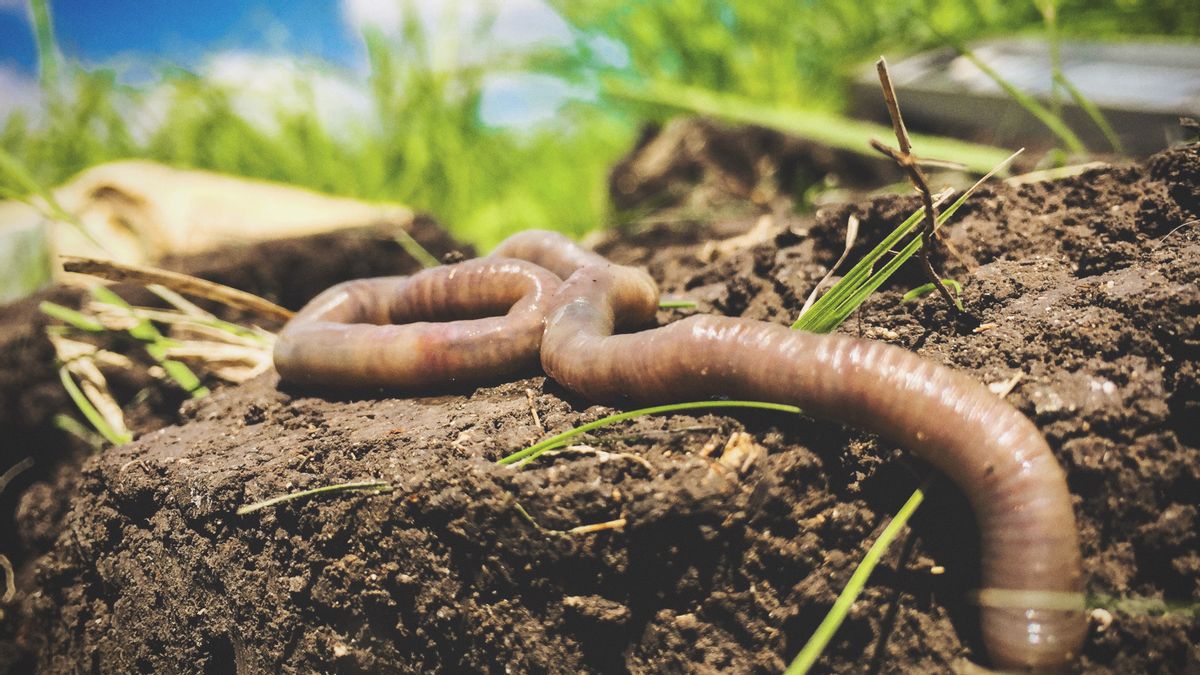
Ground worms, such as Lumbrikes, have the ability to reproduce by dividing themselves if their bodies are cut off. Each cut can develop into a new individual, although this is rarer than the ability to regenerate flat worms.
Profits And Loss Of Self-Defense
Profits:
Losses:
Diving animals are an interesting example of efficient asexual reproduction. This process allows organisms to reproduce rapidly and in large numbers, but also has limitations in terms of genetic diversity. However, for many simple animals such as bacteria, protozoa, and some types of worms, self-decay is a very effective method to survive and breed in a dynamic environment.
Did you know anything about the 6 Most Animal Species on Earth?
So after knowing that animals reproduce by dividing, see other interesting news on VOI.ID, it's time to revolutionize news!
The English, Chinese, Japanese, Arabic, and French versions are automatically generated by the AI. So there may still be inaccuracies in translating, please always see Indonesian as our main language. (system supported by DigitalSiber.id)
Popular


