
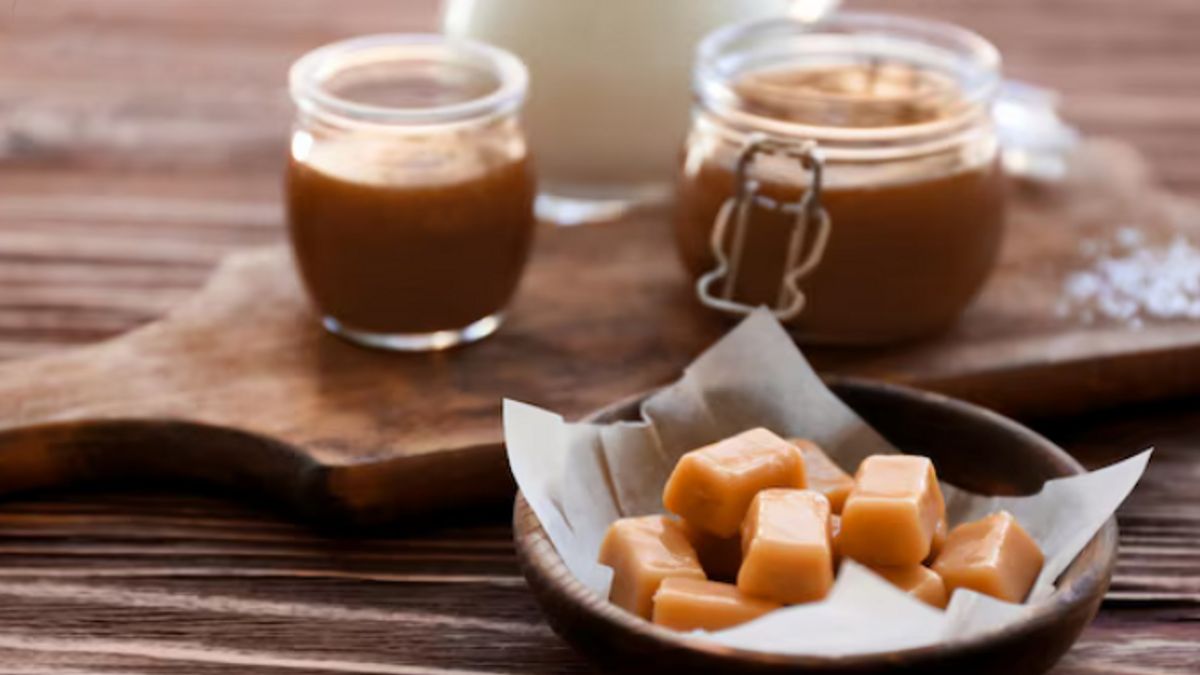


YOGYAKARTA Toffee and caramel or Caramel are quite popular in sweet culinary in the world. Although they both have a variety of sweet tastes, the texture, way of making, and the ingredients of the creators have differences. For more details, here are explained what toffee andnicity are and the difference.
Toffee is a hard candy combined with classicte sweets cooked with butter. Technically, toffee is a butterscotch, which is a combination of butter and sugar cooked in stages in 148.9 degrees Celsius resulting in sugar fireworks. For softer textures, toffee is cooked at lower temperatures.
Toffee makers in the UK make variations in using brown sugar and butter so that they produce a soft and persistent texture. Traditional toppings include chocolate, pinched beans, almons, and walnuts. In making toffee, butter, sugar, and water in a large pot are mixed and then heated. The mixture is stirred continuously until butter and sugar blends and then turns golden brown. If the texture is already hardened, the dough is lifted and cooled in the same room. Usually, cooling is done on the umbrella. When it is cold, the umbrella is moved into the refrigerator.
In contrast to toffee,ccretion is made of granulated sugar plus condensed cream, vanilla extract, or sea salt. Texture depends on the temperature of how to make. The higher the temperature, the denser the texture. Here's a detailed explanation of the differences in toffee and airways that you need to know.
Toffee is generally made from mixtures of sugar and butter, sometimes a little water or even brown sugar is added to enrich the taste. Quoting MasterClass, Thursday, August 28, whereas Caramel is mixed from white sugar, and often added heavy cream, vanilla, or sea salt. Iftar is only made of sugar, it is called dy caramel. This difference in ingredients gives toffee a rich taste of butter, whileiri has a soft taste of creamy.
Citing Tasting Table, the toffee is cooked to reach the hard-track stage, about 300 degF or more, which produces very hard and promoting textures. On the other hand,appropriation is only cooked until the temperature is lower. About 225340F depends on the type of wet caramel. The temperature difference in making, both toffee and lecherous, is the main key that creates the unique texture characteristics of each.
After it's cold, toffee tends to be very hard and easily broken into small pieces. The texture is crunchy with a little softness when pressed. Karamel, depending on the recipe, can be liquid sauce, soft chemistry, or solid but can still be bitten and drilled. Due to the difference in texture, toffee is suitable for cute topping or cut snacks, while Caramel is suitable for sauce, filling candy, or sticky coating.
Toffee has a taste like grilled butter, with a nutty feel or grilled beans due to Maillard's reaction to butter and sugar. Karamels, especially those that use cream, tend to have a creamy sweet taste with an elegant depth of mild scorched taste. This flavor will appear especially when added vanila or salt ices are added.
SEE ALSO:
-
 | LIFESTYLE
Aneka Olahan Buah Pala dan Cara Membuatnya, dari Manisan hingga Keripik
21 Agustus 2025, 18:55 -
 | LIFESTYLE
Mengenal Tren Swalty, Rasa Manis dan Asin yang Menyatu dalam Satu Hidangan
13 Agustus 2025, 17:47 -
 | LIFESTYLE
5 Langkah dan Trik Membuat Sayuran Fermentasi yang Tinggi Probiotik
14 Agustus 2025, 15:47


Toffee is often enjoyed as cute pieces covered in chocolate or mixed with beans, such as in English toffee variations. Karamel is very flexible, can be used as sauce and then put in ice cream, filled in inside a stripe, or used as a sticky coating in candy. So, depending on the need, you can choose according to your function, whether you want something THAT is crunchy or soft and creamy.
In the world of candy and cakes, although toffees and caramels both come from cooked sugar, differences in ingredients, cooking temperatures, and techniques make it produce very different textures and flavors. Toffee offers cute bites and intense butter, while wavy spoils the tongue with rich creamy and sweet softness.
The English, Chinese, Japanese, Arabic, and French versions are automatically generated by the AI. So there may still be inaccuracies in translating, please always see Indonesian as our main language. (system supported by DigitalSiber.id)


