
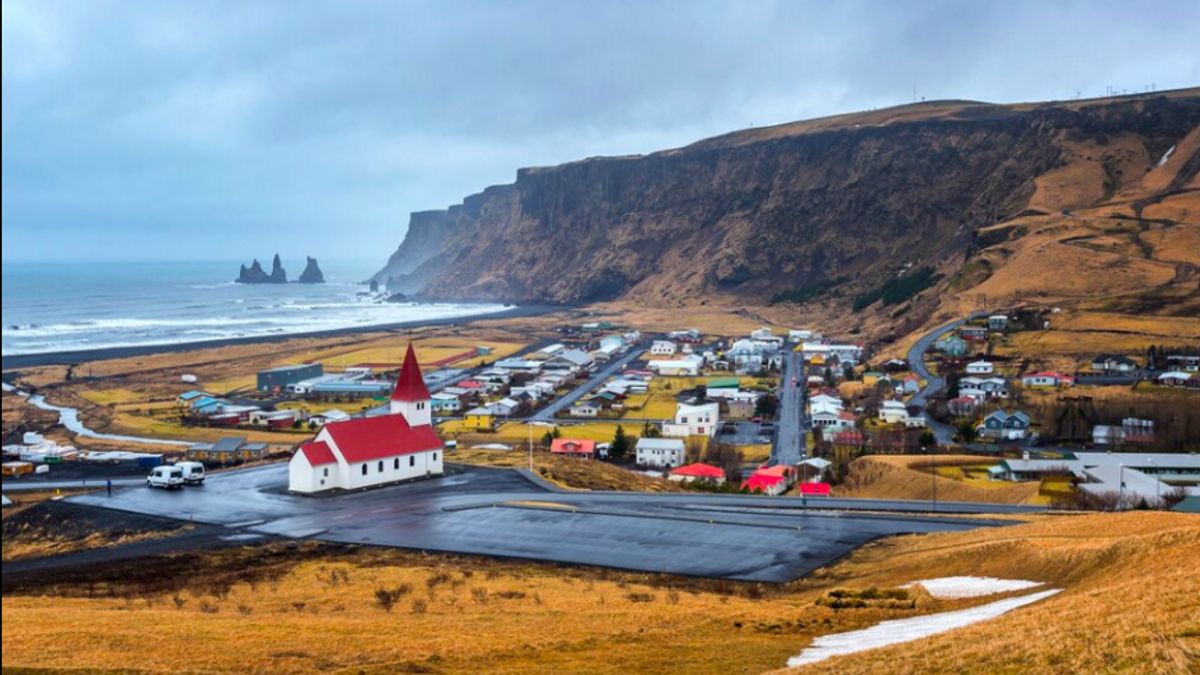


JAKARTA - Iceland, a Nordic island country located in the North Atlantic Ocean, is the only country in the world free from mosquitoes. Although this country has about 1,300 types of insects, none of them are mosquitoes.
In fact, these insects are common disturbances in almost all corners of the world. Neighboring countries such as Greenland, Scotland, and Denmark have a large population of mosquitoes.
The fact that Iceland does not have mosquitoes makes many researchers curious and curious to know the cause.
Here are some reasons why Iceland has no mosquitoes, as reported by World Atlas.
1. No puddles of stagnant water
One of the main reasons mosquitoes cannot live in Iceland, is because there are not long enough puddles to support their life cycle. Mosquitoes need calm water like a shallow pond to lay eggs.
These eggs hatch into larvae, which need to be in water at certain temperatures for some time in order to develop into pupa. From this pulpa, adult mosquitoes will emerge.
In Iceland, these kinds of conditions are difficult to find, as water has never been inundated long enough to allow this cycle to happen completely.
2. Extreme Cold Temperature
Iceland is known for its very low temperatures, it can even reach 38C. This temperature causes water to freeze and makes mosquitoes unable to breed. Every year, Iceland experiences three frozen and melting cycles, which make the environment unstable and unfriendly to mosquito life.
Mosquitoes don't have enough time to finish their metamorphosis before the temperature drops again. Even if the environment supports it, mosquitoes still need other living things to be sucked in by their blood to survive. It is believed that failure to complete the life cycle is what makes mosquitoes unable to survive in Iceland.
3. Unfriendly Nature Conditions with Mosquitoes
There is also a theory that states that the chemical composition of the soil, water and ecosystem of Iceland is generally not suitable for mosquito life. This may be true, because historically, mosquitoes could be carried to Iceland by wind or plane.
However, they can never adapt and breed. The only mosquito ever found in Iceland has been preserved at the Icelandic Institute of History.
The mosquito was caught by a biologist from the University of Iceland, G promisesli Mychor Gryptaslason, in the cabin of an airplane in the 1980s, and is now stored in an alcohol jar.
SEE ALSO:
-
 | KESEHATAN
Ribuan Nyamuk Wolbachia Disebar di Jakarta Barat untuk Cegah Demam Berdarah
29 April 2025, 15:25
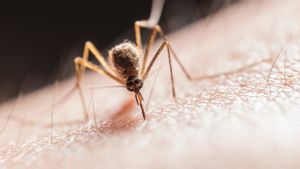
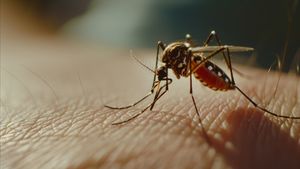

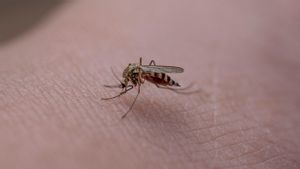
Many visitors thought they had seen mosquitoes in Iceland, whereas what they saw was gas, a small mosquito that looked like a mosquito. Agas can bite and cause itching like a mosquito, but they are less aggressive.
Agas only bites open skin, while mosquitoes can bite even through clothes. In addition, black flies are also quite common insects in Iceland.
Will Iceland Always Be Mosquito-Free?
Unfortunately, insect experts (entomologists) predict Iceland will not be free from mosquitoes forever. Climate change that causes an increase in global temperature opens up the possibility that previously unfavorable conditions for mosquitoes will begin to change.
If the temperature continues to rise, it is likely that mosquitoes will be able to survive and breed in Iceland. The same thing can also happen in other places where there are currently no mosquitoes, such as French clothes, New Caledonia, Seychelles, and even Antarctica.
The English, Chinese, Japanese, Arabic, and French versions are automatically generated by the AI. So there may still be inaccuracies in translating, please always see Indonesian as our main language. (system supported by DigitalSiber.id)


