
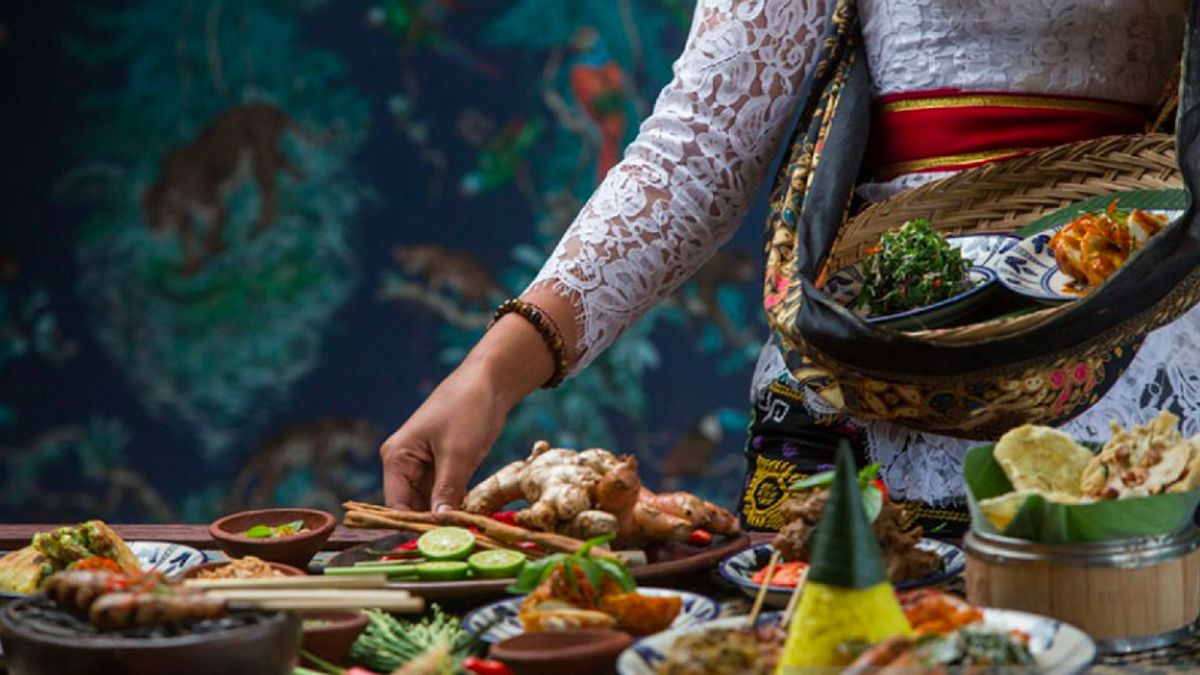


JAKARTA - Starting from saltai klathak, which is rich in spices, which is legit and soft, Bantul stores a wealth of flavors that reflect the culinary identity of Mataram.
Typical foods such as lethek and gudeg mangar noodles are not just dishes, but also part of the history and culture of local people. Unfortunately, many of these traditional culinary delights are rarely found in the market.
Therefore, the preservation of these authentic feelings is important, not only to maintain ancestral heritage, but also as a power of the regional creative economy.
In an effort to maintain and promote the culinary wealth, the Bantul Regency Tourism Office (Dispar), Yogyakarta Special Region, will hold the Mataram Culinary Festival on July 26 and 27, 2025.
This activity is a concrete step to support the preservation of local culinary, as well as strengthen the culture-based tourism sector and the creative economy.
"This festival is a tangible form of the local government's commitment to keeping traditional culinary alive and widely known by the public," said Head of Dispar Bantul, Saryadi, in Bantul, as quoted by ANTARA.
The event, which will be held for two days in the New Beach area, Srandakan, will present around 50 culinary tenants, consisting of MSMEs, local communities, and culinary activists who focus on traditional foods and drinks.
SEE ALSO:


Festival visitors will be spoiled with more than 72 types of typical Bantul foods, such as saltai klathak, lethek noodles, gudeg mangor, ingkung-wader adrem, geplak, jenang, peyek, tiwul, sagon, ampo, kolo, kipo, bread and kembang waru, klepon, putu, onde-onde, pecel, semar dem, to soto.
There are also 16 variants of traditional drinks, including wedang uwuh, herbal medicine, spice, legen, ice gosrok, ice tape, and ice kuwud.
In addition to culinary delights, this culinary festival also presents a variety of traditional art performances, musical performances, and live cooking demonstrations (live cooking) by local MSME actors. Visitors can witness the traditional food processing process that often relies on ancestral heritage techniques and recipes.
"This festival is not just a culinary event, but also a stage to express local culture and introduce rich traditions to the younger generation," added Saryadi.
This festival also received support from the DIY Regional Government through the Privilege Fund, as well as involving various creative communities and the local community. It is hoped that this event will not only be a promotional event, but also encourage the growth of the tourism sector inclusively and have a real impact on small business actors in the culinary sector.
"We want to invite the younger generation to be proud of the typical foods of the region and see the great potential behind the local culinary heritage," he concluded.
The English, Chinese, Japanese, Arabic, and French versions are automatically generated by the AI. So there may still be inaccuracies in translating, please always see Indonesian as our main language. (system supported by DigitalSiber.id)


