


JAKARTA - Cultural heritage or culture heritage is an important foundation in building the identity of a nation. The noble values, traditions, and cultural practices inherited across generations not only enrich diversity, but also become a force in shaping a sustainable future.
Therefore, cultural conservation is now getting serious attention, especially amid the challenges of globalization and the impact of mass tourism.
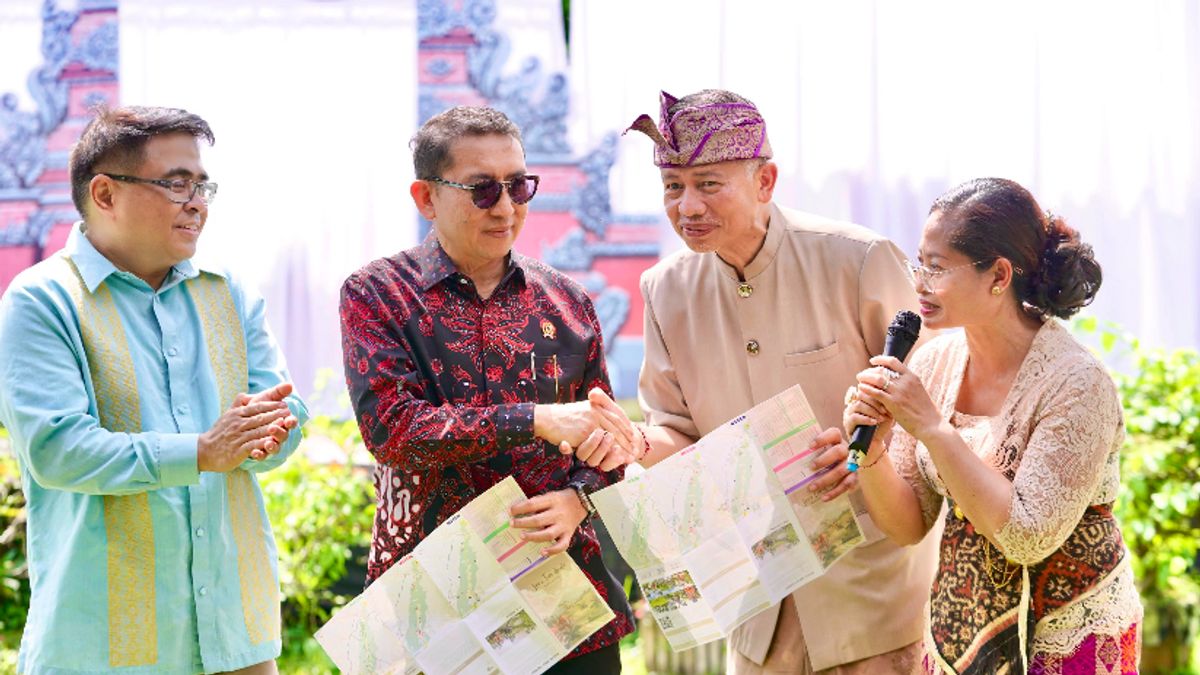
As a tangible form of this concern, the Minister of Culture (Menbud) Fadli Zon officially opened the Southeast Asian Youth Meeting and Culture Heritage Clinic which was held at Jero Tumbuk Culture & Retreat, Karangasem, Bali, on Sunday.
In his remarks, Fadli Zon said that the Culture Heritage Clinic program is a concrete manifestation of cultural conservation efforts that are not only discourse, but also focus on concrete actions in the field. This activity raises strategic issues such as tourism policies, their impact on cultural sites, and the importance of understanding the principles of sustainable tourism.
"The presence of the participants at this event is not only to learn theory, but to experience firsthand the context and challenges of cultural preservation in the community," said Fadli Zon in his official statement from Jakarta.
This program is seen as an important step in strengthening the sustainable future of tourism in the Southeast Asian region, through the cooperation of Southeast Asian Culture Heritage Alliance (SEACHA) member countries.
The main focus is the empowerment of stakeholders, from local governments, youth organizations, to local communities, in making decisions based on cultural values and community interests.
SEE ALSO:
-
 | LIFESTYLE
Sering Dikira Sama, Ternyata Ini Beda Ngunduh Mantu dan Resepsi di Jawa
19 Juni 2025, 15:55
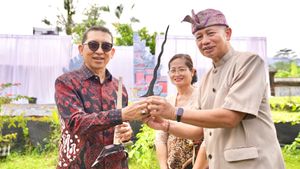

Held on June 21, 2025, this activity took place in two main locations: Jero Tumbuk Culture & Retreat and Pura Agung Besakih, Karangasem. Delegations from ASEAN countries participated as participants in the training, making this event a cross-cultural and generation collaboration forum.
Menbud Fadli highlighted two real examples of cultural heritage management. At Jero Tumbuk, participants can see how community-based ecotourism sets aside 15 percent of its income to preserve endangered oral traditions. Meanwhile, at Pura Agung Besakih, participants are invited to see firsthand the management of pilgrims who reach 50,000 people per month without disturbing the sacredness of the place.
These two places provide a concrete picture of how culture and spirituality can coexist with tourism development, as long as they are managed by the community with the principle of sustainability," he explained.
He also emphasized that this activity is a manifestation of the dialogue between nations which was developed into real action at the local level. Not only expanding insight, but also fostering solidarity and a sense of shared ownership of cultural heritage.
During the program, participants participated in a series of activities such as visits to cultural sites, interactive discussions, presentations, and closed with cultural dinners.
Menbud Fadli also expressed his appreciation for the SEACHA initiative and all parties who supported the organization of this event. He encouraged the younger generation of Southeast Asia to continue to work together to maintain and develop culture creatively and sustainably.
"It is an honor for the Ministry of Culture of the Republic of Indonesia to participate in this important meeting. This is proof of cultural preservation, a collective movement that departs from community dedication," he concluded.
The English, Chinese, Japanese, Arabic, and French versions are automatically generated by the AI. So there may still be inaccuracies in translating, please always see Indonesian as our main language. (system supported by DigitalSiber.id)


