


Dance is a universal expression of art that combines movement, rhythm, and emotion into a beautiful union. However, in the context of Islamic art, dance has a deeper dimension and is full of meaning.
This article will lead you to explore examples of dances classified as Islamic art, and reveal how movement can be a bridge to a deeper understanding of spirituality and identity.
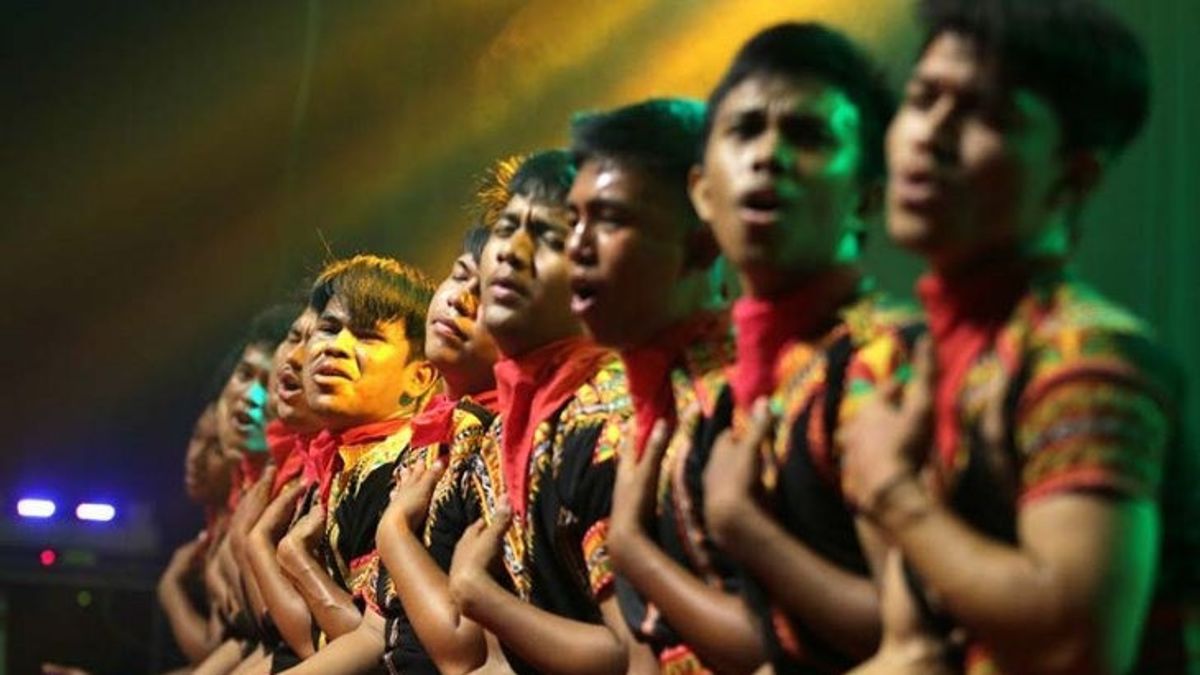
Reporting from the Dispar Banda Aceh City page, Seudati Dance is a cultural heritage originating from Aceh and has deep etymological significance. Its name is associated with "Syahadat," reflecting the declaration of God's trueness, or "seruation," which indicates harmony and cohesiveness in the collective performance of this dance.
The traditional Seudati Dance involved eight core male dancers, with a martyr as the main leader, accompanied by assistants such as apeetwie and pasti tub. Then there were two vocalists, aneuk syahi, who participated as a musical accompaniment.
The distingtive characteristics of Seudati Dance are the absence of external musical instruments. Rhythms and melodies are produced intrinsically through the dancer's body movements, including applause on the chest and hips, foot bursts, and finger injections, which integrate to create a dynamic rhythm pattern in line with the vocal narrative.
SEE ALSO:
Another unique aspect is costume design. Dancers wearing all-white clothes symbolize purity. The red headband, which is conventionally associated with courage, reflects the historical context of Acehnese struggle against colonialism.
Also read the article that discusses Being Able to Call the Rain, Where Does Suling Dewa Dance Come From?
The Saman dance is an intangible cultural heritage that UNESCO admits. Saman is a traditional Gayo dance that has a strong root in several Aceh regions such as Gayo Lues Regency, Southeast Aceh, East Aceh (in particular Serbejadi District), and Aceh Tamiang Regency (Tamiang Hulu).
Saman's dance is not just an art show, but a part of Gayo's life which has been passed down from generation to generation.
Saman, who was originally known as the "pok one" movement to pat his hands while singing "grows rapidly thanks to an Islamic figure named Sheikh Saman. He is the one who mixes these dance lyrics, combines Arabic and Acehnese, giving a depth of meaning to every movement.
More than just entertainment, the Saman Dance has become a means of communication, establishes friendship, and conveys moral messages between generations. This dance is also often used to sing rhymes, represent nature and the surrounding environment, and become a place for expression for teenage boys Gayo.
The Geleng Rapai Dance is a cultural heritage from Manggeng, South Aceh. Starting from 1965, this dance is not just entertainment, but an effective da'wah medium, spreading moral values, and religious teachings through movement and poetry.
This dance is traditionally performed by male dancers, accompanied by Rapai, a type of Tamborine which is the main instrument. Uniquely, the name "Geleng" itself refers to the movement of the chief dancer who rhythmically shakes to the right and left, creates beautiful harmony and prioritizes cohesiveness in every movement.
The water used in the Geleng Rapai is generally taken from religious songs, thus strengthening its role as a means of delivering spiritual messages.
The combination of dynamic Rapai music, rhythmic dance movements, and meaningful lyrics made Rapai Geleng a stunning appearance and was able to attract the attention of many viewers from the start.
In addition to the example of dances that are classified as Islamic arts, follow other interesting articles too. Want to know other interesting information? Don't miss it, keep an eye on the updated news from VOI and follow all of its social media accounts!
The English, Chinese, Japanese, Arabic, and French versions are automatically generated by the AI. So there may still be inaccuracies in translating, please always see Indonesian as our main language. (system supported by DigitalSiber.id)
Most Popular Tags
#Prabowo Subianto #donald trump #firearm #8791 #giias 2026Popular


