
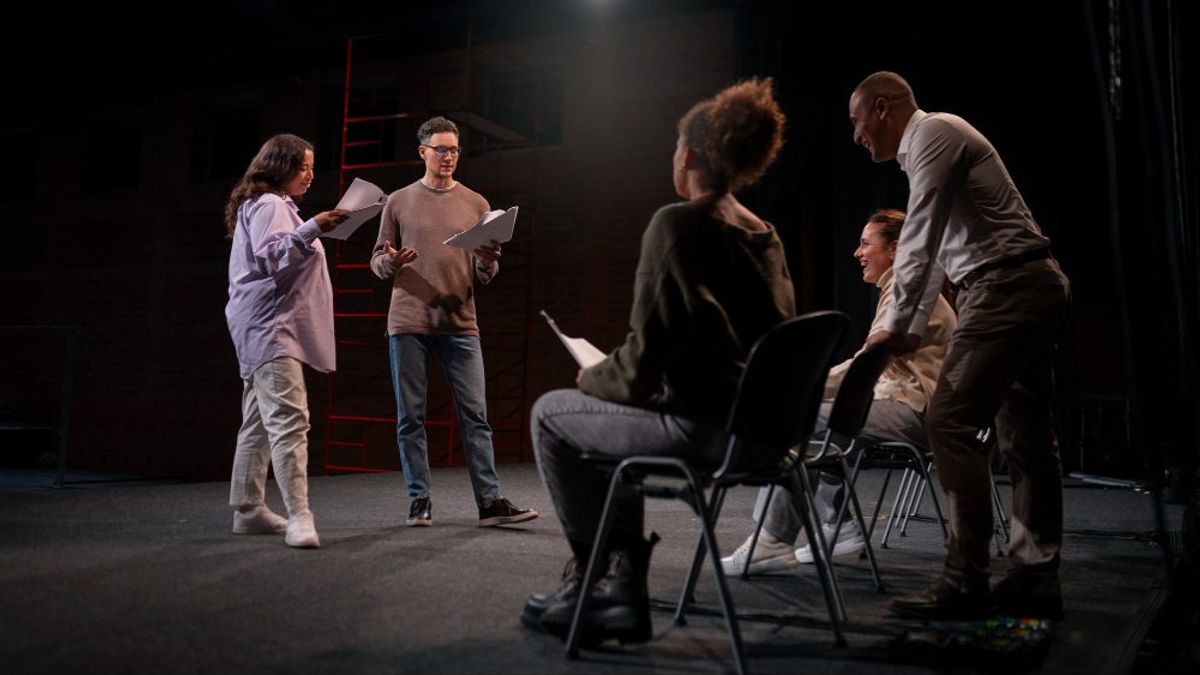


YOGYAKARTA - The world of theater art has developed following the dynamics of the times. From a classical theater full of rules and symbols, to date a more free and experimental modern theater has emerged. So what are the characteristics of modern theaters?
Theater art continues to evolve in its form, theme, and presentation. Modern theaters have emerged in response to social, political, and technological changes in the modern era. In the 19th century to the early 20th century, many theater artists began to feel that the classic theater shape was no longer relevant to the reality of life at that time.
So modern theaters were born, which have a new approach in conveying messages and evocating the emotions of the audience. This theater is not only entertainment, but also social criticism media, self-reflection, and human identity exploration. Let's recognize what are the hallmarks of modern theaters that distinguish it from previous forms of theaters.
Here are some of the characteristics of modern theaters that have been staged a lot in today's era:
One of the most prominent features of modern theaters is the choice of themes that are close to real life. Modern theaters often raise social, political, psychological, and existential issues.
His figures are no longer mythological figures or supreme aristocrats, but ordinary people with daily problems. Through this approach, modern theaters become more relevant and able to touch the audience's feelings and thoughts deeply.
Modern theaters tend to leave an acting style that is too dramatic and symbolic as seen in classic theaters. Instead, actors in modern theaters are required to perform in a natural and realistic way.
Emphasis on realism in modern theaters can also be seen in the stage design, lighting, and costumes that support the real impression of the show. This approach allows viewers to feel more connected to the story as they seem to witness real-life fragments on stage.
Unlike classical theaters that usually follow the three-stage structure (early, conflict, and resolution), modern theaters often use a more flexible narrative structure. The storyline can be put forward (non-linear), open, or even hanging at the end.
This approach reflects the complexity of human realities that do not always have a clear or happy ending. This open structure also provides space for interpretation for viewers, prompting them to think and seek their own meaning from performances.
Modern theaters are known for their courage in experimenting. Starting from minimalist stage stages, multimedia use, to direct interaction with spectators (breaking the fourth wall), all of which are common characteristics.
Modern theater directors and scriptwriters often create new forms to convey messages more effectively and provocatively. Illogical dialogue, strange situations, and unreasonable storylines are used to describe the absurdity of human life.
If in classical theaters figures are often depicted in black-and-white (good or evil), then in modern theaters their characters tend to be complex and stratified. Spectators are invited to dive into the psychological conditions of the figures, understand the motives, inner conflicts, and backgrounds that influence their actions.
SEE ALSO:
-
 | LIFESTYLE
Sinopsis Drama China Always Home: Persahabatan Yang Xi Zi Rantau ke Kota Besar
21 Februari 2025, 07:10
Modern theaters do not provide absolute or moral answers to simple stories. Instead, he invites viewers to think critically, interpret their own meanings, and even question the values that exist in society.
In some form of modern theater, viewers can be invited to be directly involved in performances. This style of performance makes the audience part of the theater experience itself.
Such is a review of the characteristics of modern theaters that are important to understand. Modern theaters are present as a dynamic and adaptive form of art to the times. Characteristics of promoting realism, experimentation, and character depth. Read also traditional, cultural heritage that needs to be instilled from an early age.
Stay up to date with the latest domestic and other overseas news on VOI. We present the latest and updated information nationally and internationally.
The English, Chinese, Japanese, Arabic, and French versions are automatically generated by the AI. So there may still be inaccuracies in translating, please always see Indonesian as our main language. (system supported by DigitalSiber.id)
Most Popular Tags
#Prabowo Subianto #donald trump #Febrie Adriansyah #8791 #giias 2026Popular


