

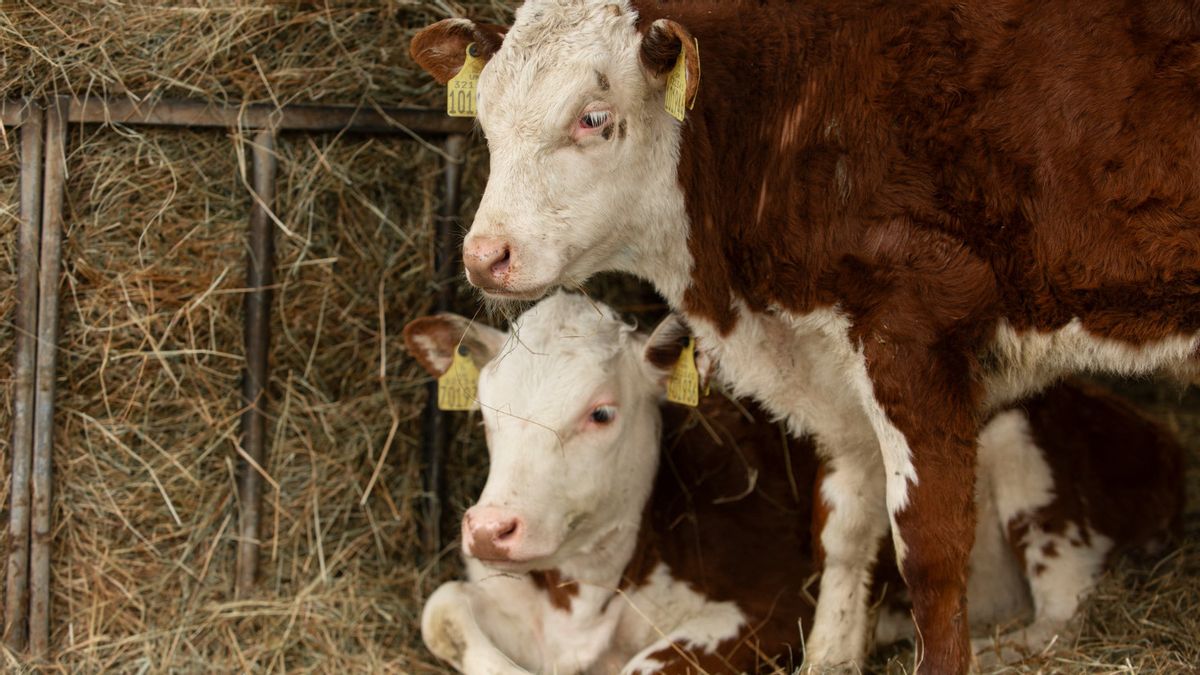


YOGYAKARTA - Ahead of Eid al-Adha, Muslims around the world are preparing to carry out the sacrificial pilgrimage. One of the most important things in the implementation of the sacrifice is to ensure that the animal that will be slaughtered is healthy and meets the syar'i requirements. Unfortunately, there are still many people who do not understand the characteristics of the sacrificial animal who is sick, so they risk buying an animal that is not feasible for sacrifice both in terms of health and Islamic law.
In order not to be deceived and be able to carry out the sacrificial worship legally and perfectly, it is important to recognize the signs of a sick sacrificial animal. Here's the full explanation:
One of the characteristics of sick sacrificial animals that are most easily recognized is their inactivated behavior. Healthy animals will appear agile, responsive to the environment, and actively move. On the other hand, sick animals tend to be silent, not excited, often sit down or lie down, and are slow when invited to move.
This condition can be an indication that animals experience extreme fatigue, fever, or infection. If the animal appears to be unpowered for a long time, it is better to check with a veterinarian or consider choosing another animal.
SEE ALSO:


Healthy sacrificial animals usually have a good appetite and are hungry when given feed. If animals show a drastic decrease in appetite or even don't eat at all, this should be watched out for.
This condition can be caused by digestive disorders, infections, deworming, or stress. The characteristics of sick sacrificial animals like this are usually accompanied by changes in the feces, such as diarrhea or too hard fess.
Healthy animal eyes will look clear, bright, and runny. On the other hand, if the eye looks sayu, there is dirt around the eye, or even removing abnormal fluids, it can be a symptom of eye infection or other diseases such as conjunctivitis.
It should also be noted whether animals often rub their heads into hard objects, because this can indicate irritation or itching in the eye and ear area.
Changes in the skin and hair are also the characteristics of the sacrificial animal which is quite sick. Healthy animals usually have shiny and neat hair, as well as clean skin without injuries. However, if the hair looks dull, it falls out too much, or there are wounds, ulcers, and peeling skin, then most likely the animal has health problems.
Some skin diseases in sacrificial animals such as kudis or fungal infections can be contagious and are at risk of endangering human health as well.
One of the common symptoms of animals affected by respiratory disease is a liquefied nose, cough, and shortness of breath. If you see an animal removing thick mucus from the nose or often sneezing, it indicates an upper respiratory tract infection.
Symptoms are quite common in cows or goats exposed to extreme weather changes or an unhealthy environment.
The sacrificial animal must have perfect physical condition, including normal walking skills. If the animal looks limp, is tilted, or doesn't want to stand up at all, it could be that he has leg injuries, joint inflammation, or nail disease.
The characteristics of sick sacrificial animals like this are very important to pay attention to because in sharia, severe limping animals are not legally used as sacrificial animals.
Choosing sacrificial animals cannot be done carelessly. Make sure you buy from trusted sellers and check directly on their physical condition. Recognizing the characteristics of sacrificial animals that are sick from an early age is very important to avoid losses and maintain the perfection of your worship.
If necessary, ask for assistance from veterinary medical personnel when choosing sacrificial animals, especially if you are not experienced. Healthy animals not only guarantee legitimate worship, but also ensure the meat consumed is safe and nutritious.
In addition, read also: The Health Check For Sacrificial Animals In Jakarta Is Implemented In Two Weeks
So after knowing the characteristics of sick sacrificial animals, see other interesting news on VOI.ID, it's time to revolutionize news!
The English, Chinese, Japanese, Arabic, and French versions are automatically generated by the AI. So there may still be inaccuracies in translating, please always see Indonesian as our main language. (system supported by DigitalSiber.id)
Popular


