


YOGYAKARTA - When visiting Karo, North Sumatra, it is incomplete if you don't taste the culinary. Apart from having a variety of beautiful natural tourism and unique culture, here there are also various special dishes that are interesting to try. So what are Karo's typical foods?
Culinary tourism in Karo can be an interesting activity while walking around looking at the beauty at the foot of Mount Sinabung, Gundaling Hill, and various other ecotourism. Typical food in this area has its own taste and is made with ingredients such as kampung chicken, glutinous rice, and sago caterpillars.
If you plan a vacation or visit there, there are some recommendations for typical Karo foods that you need to try.
Here are some of Karo's typical foods that tourists should not miss:
Pagit-ladi or trites are typical Karo dishes made from the contents of the cow's or buffalo hull. The main ingredients come from the food contained in the stomach of the animal which has been naturally smoothed by animals before the juices are absorbed.
When a cow or buffalo is slaughtered, the contents of the stomach or large intestines are separated first into a separate container. The contents of this stomach are then cooked with various spices, mixed with the intestines of a cow or buffalo that has been thinned. This dish is not only delicious, but according to the Karo tradition it also has properties to treat stomach pain.
Kuta-kutatle is known as kampung chicken sugary. This dish is a traditional dish typical of the Karo tribe, one of the ethnicities in North Sumatra. The uniqueness of this sugary is located in the typical spices used, such as bad acid or patikala and turquoise which are also known as kecombrang or honje.
This food is made from glutinous rice as the main ingredient. It consists of a mixture of sugar and scarcity, while the outer part is generally wrapped in banana leaves, which are also known as singkut leaves.
Karo's typical Cimpa is usually served during parties, from family gatherings (perpulungen) to large traditional parties such as weddings or year labor (merdang merdem).
Cimpa unung-unung is often referred to as a cake that can be found and enjoyed during parties, perpulungen, or other major activities. Cimpa can be considered a typical symbol of Karo's culinary delights, so its presence at big events feels important.
Tasik Telu in Karo means "mix three types." This dish consists of boiled broiler chicken cooked with a typical spice, cepera or chicken sauce mixed with gongseng corn, and a typical Karo sap. This chili is made of cayenne pepper, lime, and a little chicken blood.
This traditional Karo dish used to be rarely known and was usually only served at certain traditional events. However, Tasik Telu is currently starting to become a mainstay menu in several food stalls in the city of Berastagi and Karo Regency.
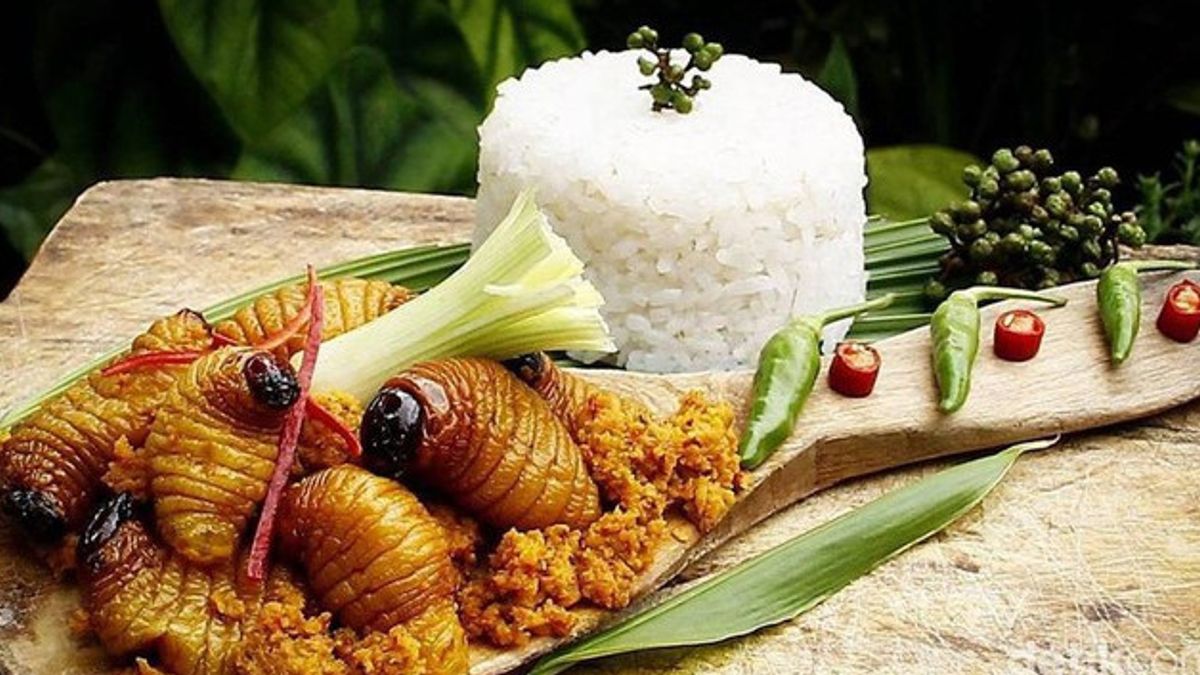
Kidu-kidu is a dish made from sago caterpillars which are also known as dugong caterpillars or have the Latin name Rhynchophorus ferrugiane. These caterpillars are usually found in palm trees, especially in dead trees, where sago caterpillars tend to thrive.
Sago caterpillars are larvae of a special type of beetle that has a red head. This beetle will lay eggs and the egg then develops to become an adult caterpillar.
Known as an increase in stamina, sago caterpillars contain very high levels of amino acids. In fact, according to research, the amino acid content is higher than that in eggs. In addition, sago caterpillars are also rich in carbohydrates, so it is believed to provide great energy for the body.
Those are the recommendations for some typical Karo foods that need to be tasted when you visit there. Typical culinary delights in this area have their own uniqueness from raw materials for the manufacture and the taste that will provide a new experience for your tongue. Also read Betawi typical foods in Jakarta.
Stay up to date with the latest domestic and other overseas news on VOI. We present the latest and updated information nationally and internationally.
The English, Chinese, Japanese, Arabic, and French versions are automatically generated by the AI. So there may still be inaccuracies in translating, please always see Indonesian as our main language. (system supported by DigitalSiber.id)
Most Popular Tags
#Prabowo Subianto #donald trump #Febrie Adriansyah #8791 #giias 2026Popular


