
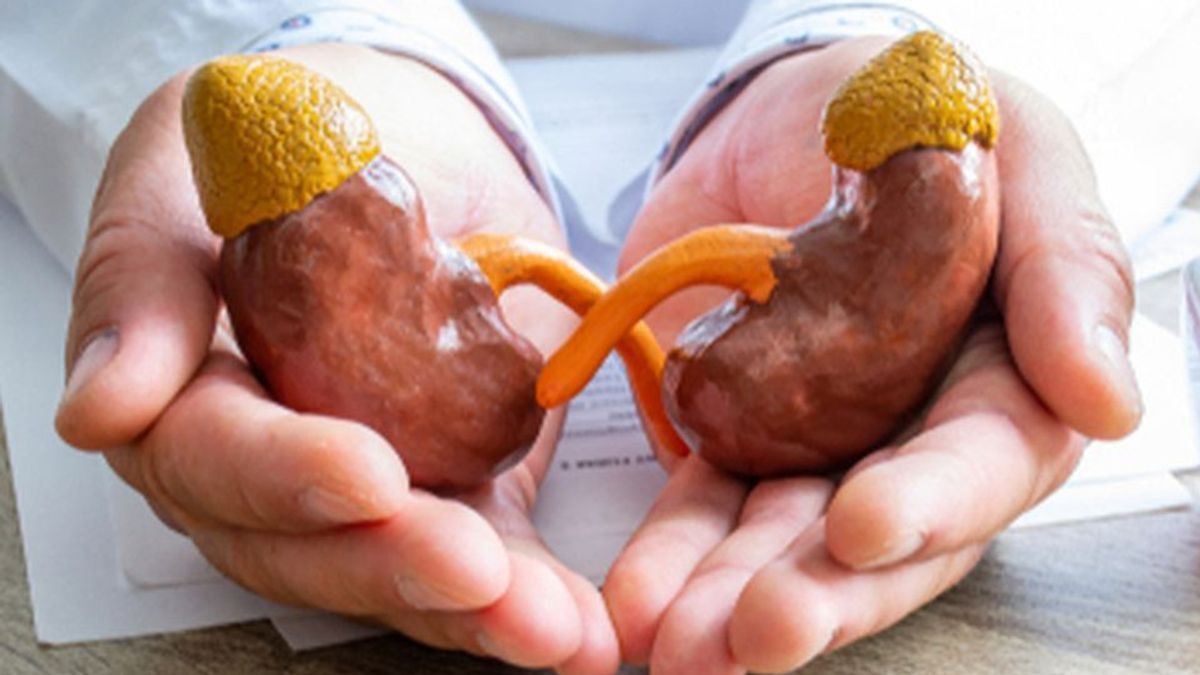


YOGYAKARTA - Kidney leakage is a term often used to describe a medical condition called nephrotic syndrome in medical terms. This condition occurs when the kidneys are unable to filter proteins normally, so that proteins (albumin) leak out with urine. This causes the body to swell, especially in the legs, face, and stomach. Nephrotic syndrome is a serious kidney disorder that requires quick and proper treatment. So how long does it take to heal kidney leakage? Read the review below.
What is Kidney Leakage (Nephrotic Syndrome)?Reported by Healthy, nephrotic syndrome is a condition where the kidneys are unable to filter proteins efficiently. The normal function of the kidneys is to filter waste and keep important substances such as proteins in the body. When there is damage to the kidney filtering unit (glomerulus), proteins leak and come out of the body through urine. This phenomenon is called proteinuria or albuminuria.
Proteinuria is the main sign of leaky kidneys, which can be recognized through urine tests. Too much leaking protein can cause osmotic pressure to be disrupted so that more fluid is stored in the body's tissues, and trigger swelling or edema.
Symptoms of Kidney LeakageThere are several typical symptoms of leaking kidneys, including:
Foamy urine due to high levels of protein in the urine Swelling (edema), especially in the face, feet, ankles, and abdomen Fatigue and weight gain due to fluid retention Protein levels in the blood decreaseHow Long Does Kidney Fistula Healing Take?The duration of kidney leakage healing varies greatly and depends on the cause, severity, response to therapy, and age of the patient. The length of time for each person to heal can vary.
The general picture is as follows:
Remission of Nephrotic SyndromeMany cases of nephrotic syndrome, especially those responsive to steroids, can achieve remission or improvement of symptoms within weeks to months after treatment is initiated.
Therapeutic response can usually be seen a few weeks after steroid treatment is started, but it can take longer to complete remission.
Healing VariationsRapid response to steroids: For some patients, remission can be achieved within weeks of starting therapy.
Chronic or non-responsive cases: Some patients may experience relapses (relapse) or not respond to the initial medication so that they require longer treatment, other drug combinations, and further examination.
Healing is not always perfect.Some cases of nephrotic syndrome can also become chronic, especially if there are accompanying diseases such as diabetes, lupus, or certain genetic predispositions. In these conditions, treatment is carried out to control symptom control and prevent complications, and not "completely cured" immediately.
Tips for Treatment and Prevention of RecurrenceSo that the healing is more effective, do the following tips:
Diet control: low salt and balanced nutrition To monitor proteinuria, routinely check urine and blood Avoid drugs that risk damaging the kidneys without a doctor's prescription Take medication according to doctor's adviceTo adjust the therapy to the development of the patient's condition, it is better to get direct supervision from a doctor.
That's an overview of how long kidney leakage heals and tips that can be done. Hopefully useful. Visit VOI.id for other interesting information.
The English, Chinese, Japanese, Arabic, and French versions are automatically generated by the AI. So there may still be inaccuracies in translating, please always see Indonesian as our main language. (system supported by DigitalSiber.id)
Most Popular Tags
#Prabowo Subianto #donald trump #Febrie Adriansyah #8791 #giias 2026Popular


