
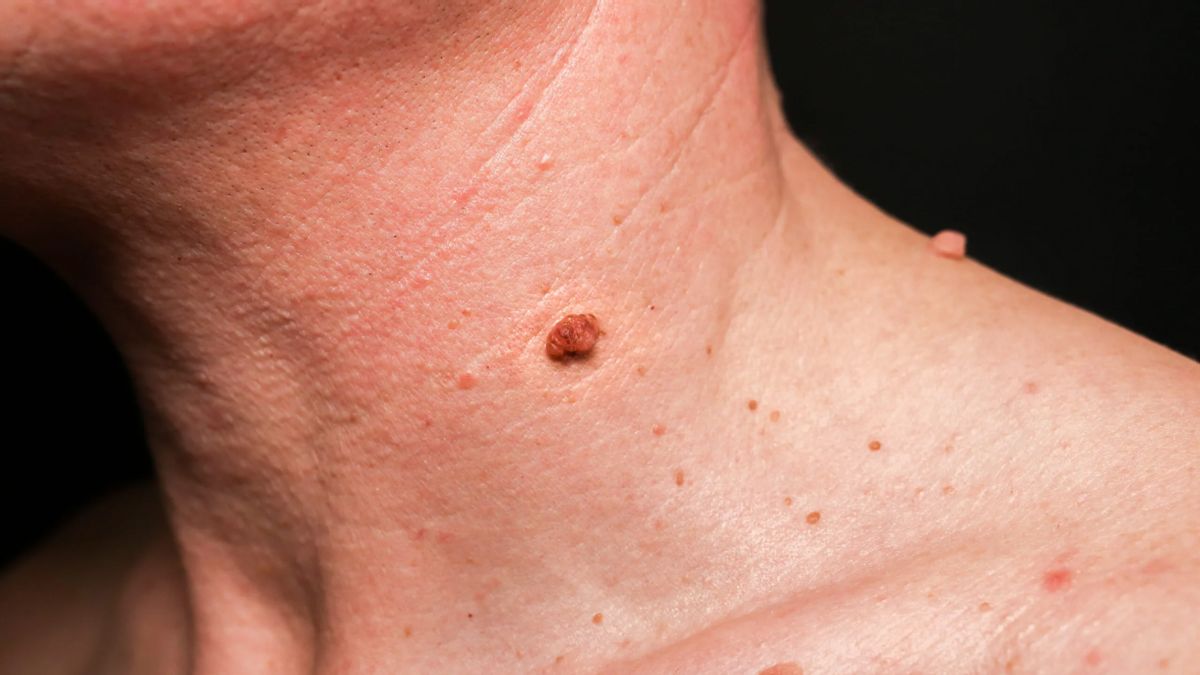


YOGYAKARTA - Warts are a common skin problem that can be experienced by anyone, both children and adults. Warts usually appear due to infection with the Human Papillomavirus (HPV) virus that attacks the outer skin layer. Although generally not dangerous, the presence of warts often causes discomfort, interferes with appearance, and even causes pain if it grows in certain areas such as the soles of the feet or fingers. One of the most commonly recommended active ingredients to treat warts is salicylic acid. Salicylic acid for warts has long been used in the world of dermatology because it is effective in helping to peel off infected skin tissue and stimulate the growth of healthy new skin.
Quoted from the Dermathology website, Salicylic acid is one of the effective and affordable solutions to treat warts, especially if used regularly and according to instructions. With its keratolitic properties, this ingredient helps to remove the infected skin tissue gradually without invasive procedures. Various preparations of salicylic acid, ranging from liquids, gels, creams, plasters, to ointments can provide flexibility for users to choose according to their needs and skin conditions.
What is Salicylic Acid and How Does it WorkAs reported by Healthy Line, salicylic acid is a beta-hydroxy acid (BHA) compound that has a keratolytic property, which is able to soften and exfoliate the dead skin layer. In the context of wart treatment, salicylic acid works by destroying the skin layer that thickens due to viral infection. The wart tissue will slowly thin, peel off, and eventually come off the skin with regular use.
In addition, salicylic acid also helps reduce mild inflammation and accelerate skin regeneration. The way it works is gradual so that treatment of warts with salicylic acid requires patience and consistency. Results usually start to be seen after a few weeks of regular use, depending on the size, type, and location of the wart.
The main advantage of salicylic acid is its ease of use at home and its relatively affordable price compared to medical procedures such as cryotherapy or lasers. However, its use must still follow the instructions so as not to cause excessive irritation to the healthy skin around it.
Types of Salicylic Acid for WartsSalicylic acid for warts is available in various forms of preparations, each of which has its own advantages and uses. The following are some common types:
Liquid SolutionThe liquid form usually has a fairly high concentration of salicylic acid and is applied directly to the surface of the wart using a small brush or applicator. This solution is suitable for small to medium warts and can easily reach narrow areas such as the fingers. Its use needs to be careful so as not to hit the healthy skin around it.
Gel or CreamGel or cream preparations tend to be easier to control when applied. The thicker texture helps salicylic acid stay in the wart area longer. This type is often recommended for beginners or for those with sensitive skin, because the risk is lower than the liquid solution
Special Warts Plaster or PatchSalicylic acid plasters contain a certain dose that is slowly released. The plaster is applied directly to the wart and left on for several hours or overnight. The advantage is that it is practical and reduces the risk of exposure to healthy skin. This type is very popular for warts on the soles of the feet (plantar warts).
High Concentration OintmentSalep with high salicylic acid content is usually used for warts that are stubborn and have thickened. However, this type should be used according to the advice of medical personnel because it has the potential to cause irritation if used carelessly.
Warts are caused by viruses, so the possibility of recurrence remains even though the warts have disappeared. Maintaining skin hygiene, avoiding direct contact with other people's warts, and not scratching or cutting warts indiscriminately can help prevent spread and recurrence. With proper understanding and wise use of salicylic acid, warts can be overcome more effectively and safely, so that skin health and comfort are maintained.
Although it is considered safe for self-use, it is important to still pay attention to the correct way of wearing it. The skin around the wart should be protected, for example with petroleum jelly, so that it is not irritated. If during use there is excessive pain, severe redness, or no improvement after a few weeks, it is best to consult a doctor or health worker immediately.
So that's a review of salicylic acid for warts. Hopefully useful. Visit VOI.id for other interesting information.
The English, Chinese, Japanese, Arabic, and French versions are automatically generated by the AI. So there may still be inaccuracies in translating, please always see Indonesian as our main language. (system supported by DigitalSiber.id)


