


JAKARTA - Rainfall is usually good news for many people. Rain helps fertilize the soil, fill the water source and provide coolness after a hot day. But who would have thought, the raindrop that had been considered pure was also a new threat.
Research by the National Research and Innovation Agency (BRIN) recently found that rainwater in Jakarta contains microplastic particles, very small pieces of plastic originating from human activity. These findings show that plastic pollution has reached the air that has been inhaled, drinking water, so that maybe our own body.
But the bad news is that world scientists now find microplastics has also entered the human brain. So far, we know the sea and soil are contaminated with plastic.
Now recent studies show that microplastic particles have also been found in important human organs such as the lungs, liver, kidneys, blood, bone cord, and reproductive organs.
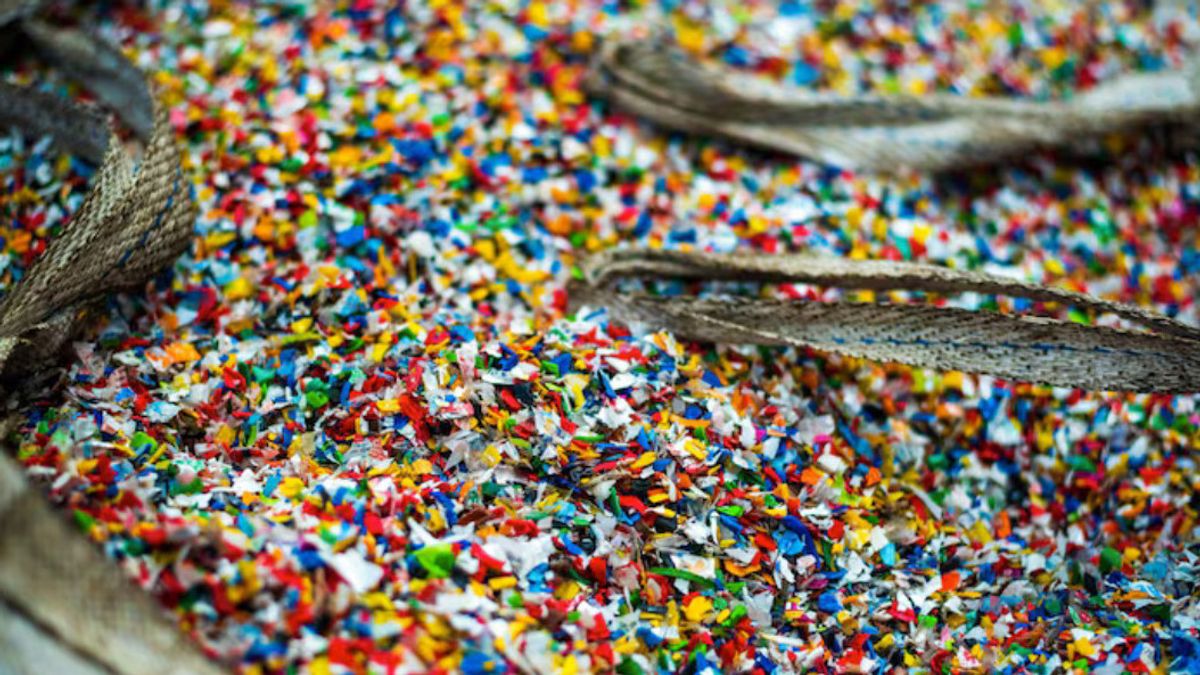
This microplastic measures less than 5 millimeters, some microscopic ones that can enter through the body through air, food, or drinking water. Plastics that are thrown away carelessly on the streets, synthetic clothes, to disposable packaging used every day, all contribute to this problem.
"It's time for the world to announce a global state of emergency to face a plastic crisis," said Setat Göndougu, a researcher from Cukurova University, Turkey, quoted from The Guardian's website.
One of the latest studies conducted in the United States found it surprising. The human brain is one of the body's most microplastic tissues.
Researchers examined body organs from the body, including the brain, liver, and kidneys.
The result is that each brain tested contains 10 to 20 times more plastic than other organs. Even in some brain samples, about 0.5% of the total weight is plastic.
Matthew Campen, professor from the University of New Mexico who led the study, said he was shocked.
"The amount of plastic in the human brain is much more than I imagined. It's really worrying," he explained.
Even more astonishing, in the brain of Alzheimer's and dementia, microplastic levels are found up to 10 times higher than the brain of healthy people. Although the direct relationship has not been confirmed, scientists suspect plastic accumulation can play a role in brain function disorders.
In addition, the number of microplastics in human brain samples continues to increase. The data shows plastic levels in the brain in 2024 are around 50% higher than samples in 2016. This is in line with the increase in pollution in the environment.
The problem does not stop in the brain. Other studies in China, Italy, and America also found microplastics in male and female reproductive organs. These tiny particles are found in the testes, sperm, to the penis tissue.
Research in Beijing also found microplastics in all patients undergoing knee and pelvic joint surgery. Meanwhile, studies in Italy show nearly 60% of patients with neck blood vessel blockages have microplastics in their fat plaque. They are twice as at risk of a heart attack or stroke.
Most recently, the journal Journal of Hazardous Materials reported microplastic findings in the human bone cord for the first time. Almost all samples contain polystyrofoam and polyethylene (food wrappers and plastic bottles).
"The impact on health is still uncertain, but the accumulation of plastic in sensitive tissues such as the brain or reproductive organs is definitely not good news," said Dr.
Although the US Food and Drug Administration (FDA) says there is no strong evidence that microplastics in food are immediately dangerous for humans, experts emphasize that long-term risks must be watched out for.
Leonardo Trasande, a researcher from New York University, said microplastics can carry toxic chemicals such as phthalates into the body. These compounds are known to be hormonal, increase the risk of heart disease, and even shorten life.
SEE ALSO:
-
 | KESEHATAN SEKSUAL
Fetish Kaki dan Objek Tak Biasa Lainnya, Normal atau Gangguan Jiwa?
10 April 2025, 23:25




To reduce microplastic exposure, experts advise the public, namely:
- Avoid using plastic containers to heat food.
- Drink water more from the tap or gallon refills than bottled water.
- Reduce consumption of processed foods.
- Keep the house clean of dust that can contain plastic particles.
The United Nations has actually started drafting a global agreement to end plastic pollution since two years ago. However, this step is slow. Meanwhile, plastic production continues to increase every year, and small particles can now even be found in the air, deep seas, snow mountains, to the human brain.
"From the deepest sea to the atmosphere, even into our own brains, there is no longer any place on Earth that is completely clean." said Bethani Carney Almroth, an ecotocologist from Gothenburg University, Sweden.
The English, Chinese, Japanese, Arabic, and French versions are automatically generated by the AI. So there may still be inaccuracies in translating, please always see Indonesian as our main language. (system supported by DigitalSiber.id)


