


JAKARTA - As Indonesia's population ages, the need for more personal and sustainable health care is increasing. According to the Asia-Pacific Population Report 2024 report, around 11.1 percent of Indonesia's population is now over 60 years old, while 7.3 percent of them have entered the elderly group 65 years and over.
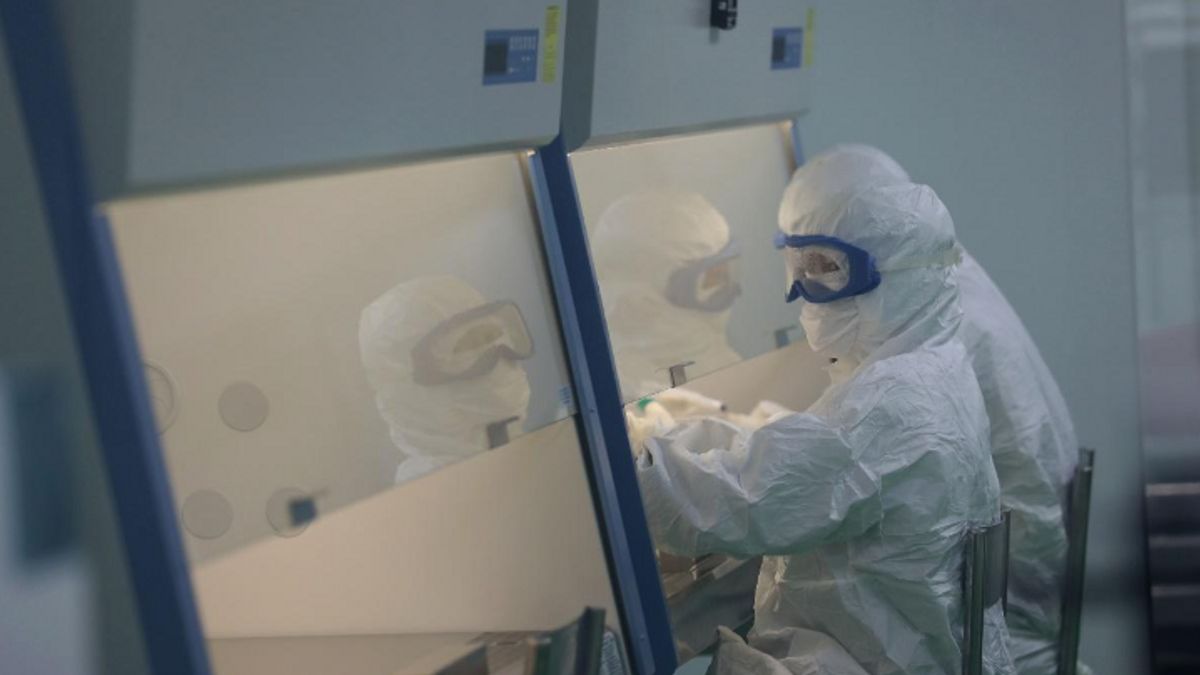
This condition presents new challenges in maintaining quality of life, especially related to aging, chronic illness, and decreased body function. One of the innovations that are starting to develop is cell-based therapy. This therapy includes the utilization of metal cells (stem cells), natural killer cells (NK), to exosoms, designed to help the process of network regeneration, repair cell damage, and support the immune system.
This concept also opens the way to personalized medicine or treatment that is adapted to the unique conditions of each patient.
In Indonesia alone, a number of medical facilities have obtained standards for Good Manufacturing Practices (CPOB) from BPOM to produce cell therapy with guaranteed quality.
This certification is an important thing because it ensures security as well as opens wider access for patients who need options outside of standard therapy.
"Selain menjadi tonggak pencapaian suatu bisnis, sertifikasi CPOB ini juga menjadi bukti standarisasi dan keamanan proses produksi terapi sel kami. Sertifikasi ini memungkinkan kami menyediakan layanan terapi sel yang lebih aman dan dapat diandalkan bagi pasien di Indonesia, dan kami akan terus memperluas solusi personalisasi ke depannya," ungkap Baik In Hyun, Head of Business Unit Daewoong Pharmaceutical Indonesia (DPI) dalam keterangannya.
SEE ALSO:
-
 | KESEHATAN
Benarkah Terapi Stem Cell Jadi Harapan Baru Pengobatan Penyakit Kronis?
27 Agustus 2025, 12:25 -
 | INFO SEHAT
Pengobatan Berbasis Stem Cell Jadi Terobosan Inovatif untuk Atasi Berbagai Penyakit
03 Oktober 2024, 12:25

"Selain menjadi tonggak pencapaian suatu bisnis, sertifikasi CPOB ini juga menjadi bukti standarisasi dan keamanan proses produksi terapi sel kami. Sertifikasi ini memungkinkan kami menyediakan layanan terapi sel yang lebih aman dan dapat diandalkan bagi pasien di Indonesia, dan kami akan terus memperluas solusi personalisasi ke depannya," ungkap Baik In Hyun, Head of Business Unit Daewoong Pharmaceutical Indonesia (DPI) dalam keterangannya.
SEE ALSO:
-
| KESEHATAN
Benarkah Terapi Stem Cell Jadi Harapan Baru Pengobatan Penyakit Kronis?
27 Agustus 2025, 12:25 -
| INFO SEHAT
Pengobatan Berbasis Stem Cell Jadi Terobosan Inovatif untuk Atasi Berbagai Penyakit
03 Oktober 2024, 12:25
"Selain menjadi tonggak pencapaian suatu bisnis, sertifikasi CPOB ini juga menjadi bukti standarisasi dan keamanan proses produksi terapi sel kami. Sertifikasi ini memungkinkan kami menyediakan layanan terapi sel yang lebih aman dan dapat diandalkan bagi pasien di Indonesia, dan kami akan terus memperluas solusi personalisasi ke depannya," ungkap Baik In Hyun, Head of Business Unit Daewoong Pharmaceutical Indonesia (DPI) dalam keterangannya.
SEE ALSO:
-
| KESEHATAN
Benarkah Terapi Stem Cell Jadi Harapan Baru Pengobatan Penyakit Kronis?
27 Agustus 2025, 12:25 -
| INFO SEHAT
Pengobatan Berbasis Stem Cell Jadi Terobosan Inovatif untuk Atasi Berbagai Penyakit
03 Oktober 2024, 12:25
"In addition to being a milestone in achieving a business, this CPOB certification is also proof of the standardization and security of our cell therapy production process. This certification allows us to provide more secure and reliable cell therapy services for patients in Indonesia, and we will continue to expand the personalization solution in the future," said Baik In Hyun, Head of Business Unit Daewoong Pharmaceutical Indonesia (DPI) in a statement.
SEE ALSO:
-
| KESEHATAN
Benarkah Terapi Stem Cell Jadi Harapan Baru Pengobatan Penyakit Kronis?
27 Agustus 2025, 12:25 -
| INFO SEHAT
Pengobatan Berbasis Stem Cell Jadi Terobosan Inovatif untuk Atasi Berbagai Penyakit
03 Oktober 2024, 12:25
The presence of cell therapy is not only related to the medical world, but has also begun to touch the realm of modern lifestyles, such as anti-aging care, mental health, and medical tourism.
Several clinics in Indonesia, including in Bali, even offer punca cell-based care packages combined with the wellness experience of K-Beauty.
This phenomenon shows that health is now seen as not only free from disease, but also how to maintain vitality, appearance, and quality of life in the elderly.
However, experts emphasize the importance of education and regulations so that people are not trapped in excessive claims related to the effectiveness of stem cell therapy.
Since establishing a representative office in Jakarta in 2005, Daewoong has been carrying out sustainable growth through localization and technology transfer for more than 20 years. In 2012, the company built the first biopharmaceutical factory in Indonesia, Daewoong Infion, which produces EPO (Erythropoietin) and EGF (Epidermal Growth Factor) certified halal. The addition of this latest punca cell production facility further strengthens the regenerative medical infrastructure in Indonesia.
Since establishing a representative office in Jakarta in 2005, Daewoong has been carrying out sustainable growth through localization and technology transfer for more than 20 years. In 2012, the company built the first biopharmaceutical factory in Indonesia, Daewoong Infion, which produces EPO (Erythropoietin) and EGF (Epidermal Growth Factor) certified halal. The addition of this latest punca cell production facility further strengthens the regenerative medical infrastructure in Indonesia.
Since establishing a representative office in Jakarta in 2005, Daewoong has been carrying out sustainable growth through localization and technology transfer for more than 20 years. In 2012, the company built the first biopharmaceutical factory in Indonesia, Daewoong Infion, which produces EPO (Erythropoietin) and EGF (Epidermal Growth Factor) certified halal. The addition of this latest punca cell production facility further strengthens the regenerative medical infrastructure in Indonesia.
Since establishing a representative office in Jakarta in 2005, Daewoong has been carrying out sustainable growth through localization and technology transfer for more than 20 years.
In 2012, the company built the first biofarmasi factory in Indonesia, Daewoong Infion, which produces EPO (Erythropoietin) and EGF (Epidermal Growth Factor) certified halal. The addition of this latest punca cell production facility further strengthens the regenerative medical infrastructure in Indonesia.
"Through close collaboration with hospitals and national health workers, we hope that in the future the community can get wider access to innovative therapy, both for medical needs and improving the quality of life," concluded Baik In Hyun.
"Through close collaboration with hospitals and national health workers, we hope that in the future the community can get wider access to innovative therapy, both for medical needs and improving the quality of life," concluded Baik In Hyun.
"Through close collaboration with hospitals and national health workers, we hope that in the future the community can get wider access to innovative therapy, both for medical needs and improving the quality of life," concluded Baik In Hyun.
"Through close collaboration with hospitals and national health workers, we hope that in the future the community can get wider access to innovative therapy, both for medical needs and improving the quality of life," concluded Baik In Hyun.
The English, Chinese, Japanese, Arabic, and French versions are automatically generated by the AI. So there may still be inaccuracies in translating, please always see Indonesian as our main language. (system supported by DigitalSiber.id)


