
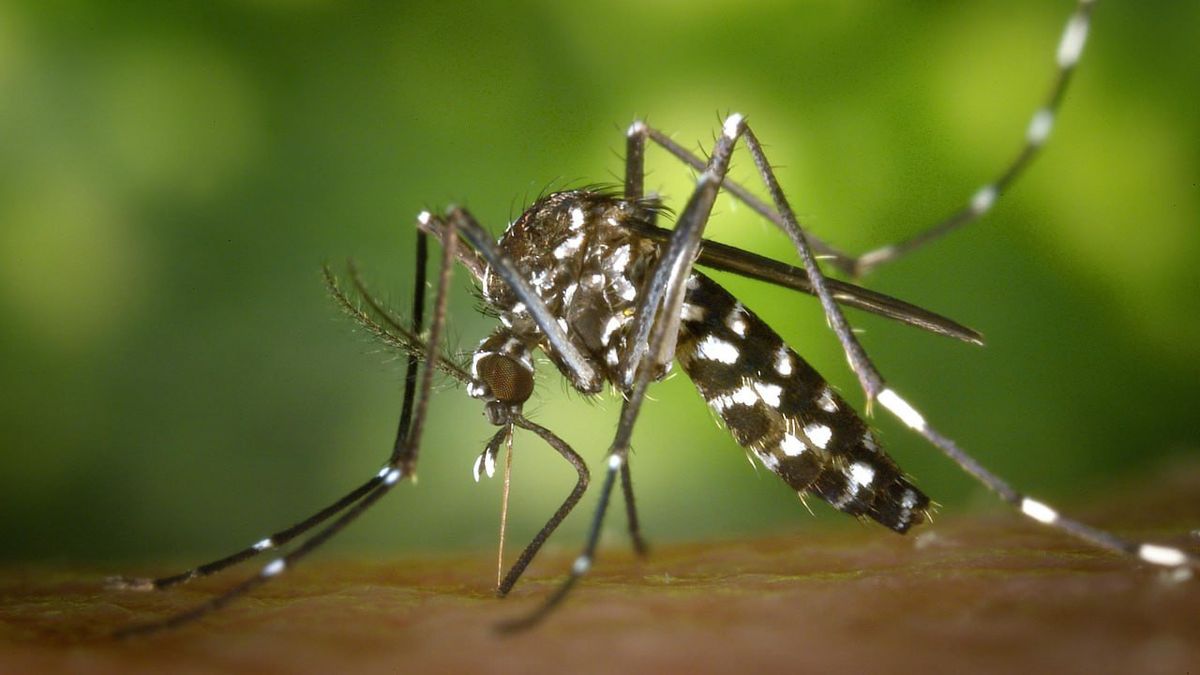


The mosquito that causes dengue hemorrhagic fever (DHF) is one of the health problems in many tropical climate countries, including Indonesia. Especially during the rainy season, where many puddles of water become breeding grounds for mosquitoes.
However, not all mosquitoes cause dengue fever. One of the mosquitoes that carry and transmit the virus that causes dengue fever is the Aedes aegypti mosquito. If this mosquito is not wary of, it can trigger a dengue outbreak, which every year takes lives.
Therefore, it is important to know the difference between dengue mosquitoes and ordinary mosquitoes. Reporting from vedantu.com, here are the differences between dengue mosquitoes and ordinary mosquitoes.
SEE ALSO:
-
 | LIFESTYLE
Promo HUT RI, Modinity Warehouse Sale 2025 Hadirkan Buttonscarves hingga Nada Puspita
15 Agustus 2025, 22:33




Physical characteristics are the easiest difference between dengue mosquitoes and ordinary mosquitoes. DHF mosquitoes have a black color with a white line pattern. This contrasting color is the main characteristic that distinguishes them from other mosquitoes.
Meanwhile, mosquitoes are generally gray brown or plain black without striking lines. There is no striking distinctive pattern
2. Bite time
Differences in mosquito behavior can also be seen from when they are actively looking for prey. DHF mosquitoes tend to actively bite in the morning until the afternoon. Meanwhile, ordinary mosquitoes are more active to bite at dusk and at night.
3. Body Size
Both dengue mosquitoes and ordinary mosquitoes have a relatively similar size, which is around 4-7 mm. The difference is not too significant, so recognition cannot only rely on body size.
4. Bite sensation
Dengue mosquito bites tend not to be felt or only cause a little sting, so they are often not realized, but the risk of disease transmission is high. While the bite of ordinary mosquitoes usually immediately causes itching and a little sore, the victim quickly realized it.
5. Habitat
DHF mosquitoes prefer to be indoors or in the shade, and rest in dark areas. They breed in relatively clean inundated water, such as in flower pots, buckets, baths, or rainwater reservoirs.
Meanwhile, ordinary mosquitoes can be found by ordinary Mosquitoes indoors and outdoors, and breed in dirty water such as sewers or sewers.
6. Bites and Symptoms
Dengue mosquito bites generally do not leave significant itching scars. However, if the mosquito carries dengue virus, a few days later symptoms of dengue such as sudden high fever, joint pain, pain in the back of the eye, and headaches can appear.
While the bite of a common mosquito usually leaves red bentol, itching, and a slight swelling, it rarely triggers fever or severe symptoms unless there are allergies or other diseases being carried.
By recognizing the physical characteristics, habits, and habitat, we can take appropriate preventive steps. Remember, one bite of a dengue mosquito infected with the dengue virus is enough to transmit the disease.
Prevention is the key to avoiding dengue fever and disturbances caused by ordinary mosquitoes. Several steps can be taken, including:
However, if you experience a sudden high fever accompanied by joint pain, headache, or rash after being bitten by a mosquito, immediately check yourself into a health facility. Early treatment can prevent serious complications from dengue fever.
The English, Chinese, Japanese, Arabic, and French versions are automatically generated by the AI. So there may still be inaccuracies in translating, please always see Indonesian as our main language. (system supported by DigitalSiber.id)


