



JAKARTA The polio vaccination is again an important spotlight in efforts to prevent infectious diseases, especially for groups who will travel abroad, such as pilgrims.
Polio itself is an infectious infectious disease that can cause permanent paralysis, even death. Although the world has made significant progress in eradicating this disease, the threat still exists, especially from the type of polio virus that arises from mutations from the vaccine itself, known as Vaccine-Derived Poliovirus (VDPV).
This year, the polio vaccine was designated as one of the requirements for vaccination for prospective pilgrims from Indonesia. This follows reports of VDPV cases detected in several regions in the country.
Professor of the Faculty of Medicine, University of Indonesia, Prof. Tjandra Yoga Aditama, explained that this decision was a form of response to the policies of the Saudi Arabian authorities, which began requiring polio vaccination for pilgrims from certain countries as of March 2025.
"Why is the polio vaccine required this year? Because Indonesia is reporting cases of VDPV, and that is a concern in the global health system," he said, as quoted by ANTARA.
Prof. Tjandra added that reports of VDPV cases from regions such as Aceh and Tasikmalaya encourage the government to increase vigilance. This virus is highly contagious and has a high risk of causing paralysis, especially in vulnerable groups such as the elderly and people with chronic diseases.
According to international health regulations, countries experiencing the findings of such cases must ensure their citizens are vaccinated before traveling to other countries, including Saudi Arabia as a pilgrimage destination country.
SEE ALSO:

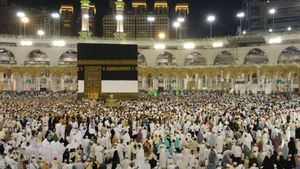
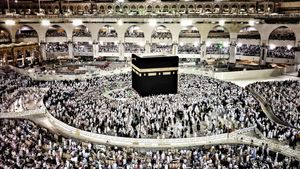
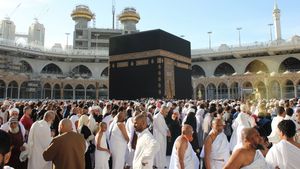
Meanwhile, the Head of Health Affairs of the Muslim Association for Hajj and Umrah Organizers of the Republic of Indonesia (AMPHURI), Endy M. Astiwata, emphasized that this decision was not without basis. According to him, vaccination was carried out on the basis of epidemiological data and strict government supervision of the development of cases.
AMPHURI, continued Endy, also continues to socialize the importance of vaccination to the congregation and prevent fraudulent practices such as falsifying vaccine certificates. "We want this vaccination not only a formality, but really a form of self-protection," he said.
He also appealed to the public to see vaccination as a preventive step, not a burden. Especially during worship, the congregation will be in a high mobility environment and a large risk of transmission.
On the same occasion, dr. Dirga Sakti Rambe, a vaccinologist, reminded vulnerable groups such as the elderly, children, and people with comorbidities can still receive vaccines as long as their condition is stable.
"Don't get me wrong, having a congenital disease doesn't mean you can't get the vaccine. Instead, they are a group that we have to protect first," said dr. Dirga.
He also emphasized that vaccination during Hajj is not only to prevent polio, but also to protect pilgrims from other diseases common in Saudi Arabia, such as meningitis, pneumonia, and other respiratory infections such as RSV.
The English, Chinese, Japanese, Arabic, and French versions are automatically generated by the AI. So there may still be inaccuracies in translating, please always see Indonesian as our main language. (system supported by DigitalSiber.id)


