



JAKARTA - Knowing the condition of fetal health from the time it was in the womb is an important step in the pregnancy process. Prenatal diagnosis provides an opportunity for parents to understand potential risks or disorders from an early age, so that appropriate medical decisions can be taken immediately.
Not only playing a role in detecting disturbances, this diagnosis also allows families to prepare everything for the health and optimal future of children.
According to dr. Reza Tigor Manurung, Sp.OG, Fetomaternal Subspecalis at the Women's Health Center Bethsaida Hospital, prenatal diagnosis serves to identify various possible congenital abnormalities before the baby's birth. That way, parents can develop better handling plans from the start.
Dr. Reza explained that advances in medical technology have allowed early detection of fetal conditions in pregnancy. Prenatal diagnosis is now not only limited to identifying problems, but also opens up opportunities for prospective parents to develop a more mature preparation strategy.
Types of prenatal examination are very diverse and generally aimed at detecting chromodynamic disorders, structural disorders, and certain genetic diseases. Among them are Down syndrome, heart disorders, bifidal spina, and chastic fibrosis.
These tests are carried out in stages that have been adjusted to the gestational age to ensure the accuracy and accuracy of the results. In the first trimester, especially in the 11th to 13th weeks, early screening is usually carried out to assess the risk of chromodynamic disorders.
SEE ALSO:




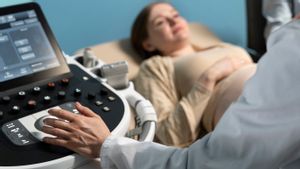
Entering the second trimester, between the 18th to 22nd weeks, anatomical ultrasonicography examination is carried out to thoroughly review the development of fetal organs, including the heart and brain.
In addition to conventional examinations, there is now also the Non-Invasive Prenatal Testing (NIPT) method. This test has been carried out since the gestational age of 10 weeks and uses blood samples from the mother to analyze the DNA of the fetus, without endangering pregnancy.
For more in-depth examinations, invasive procedures such as amniosentesis can be carried out after pregnancy age reaches the 15th week. Other procedures such as Chorionic Villus Sampling (CVS) can also be used earlier, namely between the 10th to 13th weeks, by sampling the placenta network for genetic analysis.
Each examination method has its own benefits and limits. Therefore, consultation with a gynecologist or phomaternal specialist is highly recommended before determining the type of examination to be carried out.
According to dr. Reza, the decision to undergo a medical examination really depends on various factors, including maternal age, family history with genetic abnormalities, and the results of the initial findings from the ultrasound. Pregnant women over the age of 35 or at high risk of pregnancy are often advised to undergo this examination.
In making decisions, it is important for parents to consider test accuracy, possible false positive or negative results, as well as possible emotional impacts. Prenatal diagnosis is a personal choice, and each couple has the right to determine the best steps based on their respective conditions.
Early diagnosis allows for more mature preparations both medically and psychologically in welcoming the birth of the baby.
The English, Chinese, Japanese, Arabic, and French versions are automatically generated by the AI. So there may still be inaccuracies in translating, please always see Indonesian as our main language. (system supported by DigitalSiber.id)
Most Popular Tags
#Prabowo Subianto #donald trump #2026 World Cup #Febrie Adriansyah #8791Popular


